







Introduction:Explore the century-long history of Yunnan’s small-bean coffee, from the first Typica plant in Zhukula Village to the core producing areas of Pu’er and Baoshan. Learn about the varietal evolution of Typica and Catimor, the key details of the washed processing method, and through actual cupping data and V60 pour over parameters, grasp the unique flavor profile of this Asian specialty coffee. This provides coffee enthusiasts with a complete guide from origin to brewing.
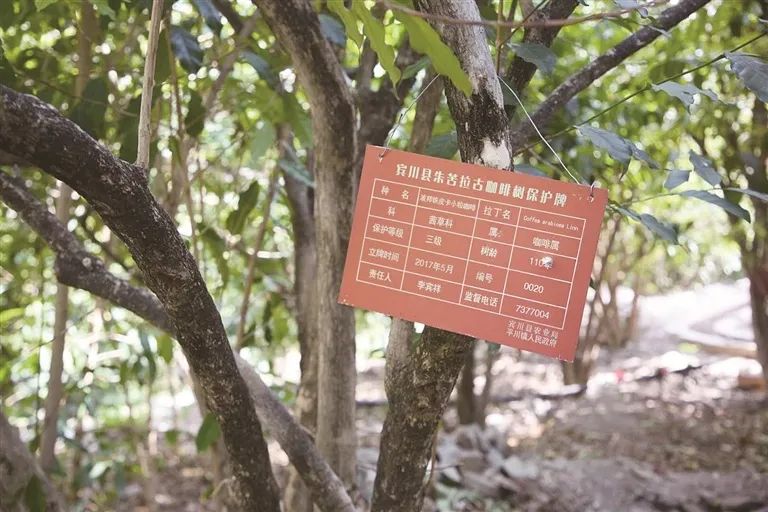
The story of Yunnan coffee begins with the Typica plant planted in 1904 by French missionary Téodore Monnier in Zhukula Village, Binchuan. These coffee seeds, brought from Vietnam, mark not only the starting point of coffee cultivation in China but also gave rise, a century later, to a unique “small-bean coffee” culture. Zhukula, a small mountain village, is hailed as a “living fossil of coffee” along the Ancient Tea Horse Road due to these century-old trees.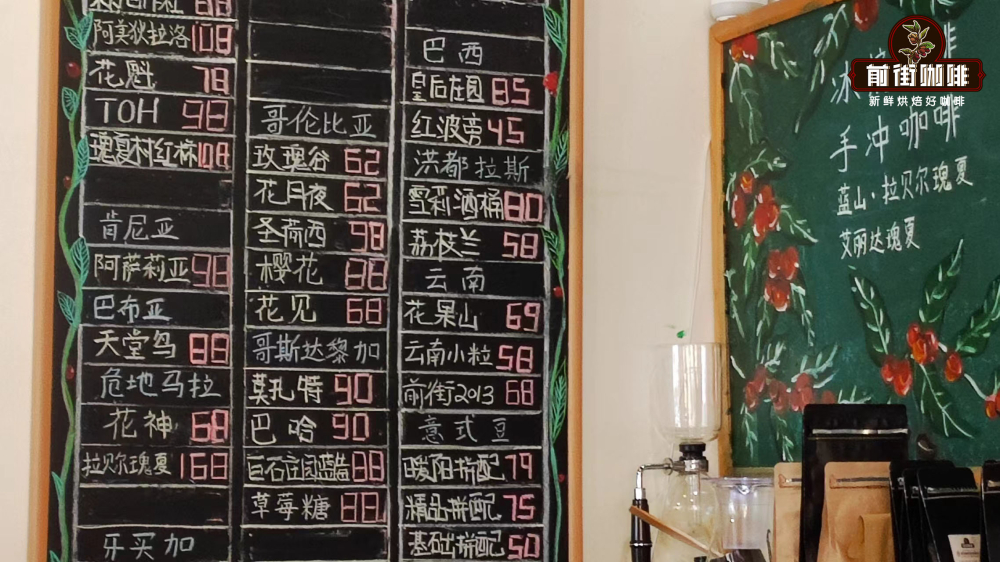
Although Zhukula has a rich coffee culture, visiting this sacred site is not easy. The mountain roads are rugged, and only locals familiar with the terrain can drive in during the dry season. The village still preserves 24 century-old trees planted by Father Téodore, which not only bear witness to history but also carry the original memory of Chinese coffee through their flavor. Currently, coffee from Zhukula is mostly circulated as roasted beans and processed products, with some also available to visitors through tourism experiences.
If you’re new to Yunnan coffee, Pu’er is an ideal starting point. As the region with the highest coffee output in Yunnan, it is home to procurement centers of international brands such as Nestlé and Starbucks. The city also has relatively complete infrastructure, ranging from coffee-themed hotels to professional estates, meeting the needs of visitors at different levels. In Pu’er’s cafés, you’ll often encounter industry veterans, making it a great place to learn about regional trends.
In Pu’er, there are several must-visit attractions:Yunnan Coffee Trading CenterNot only hosts the Cup Tasters Championship but also offers opportunities to meet international coffee experts; whileNestlé Coffee Centerprovides bean testing and roasting demonstrations, offering a rare learning opportunity for enthusiasts wanting to delve deeper into the processing procedures.
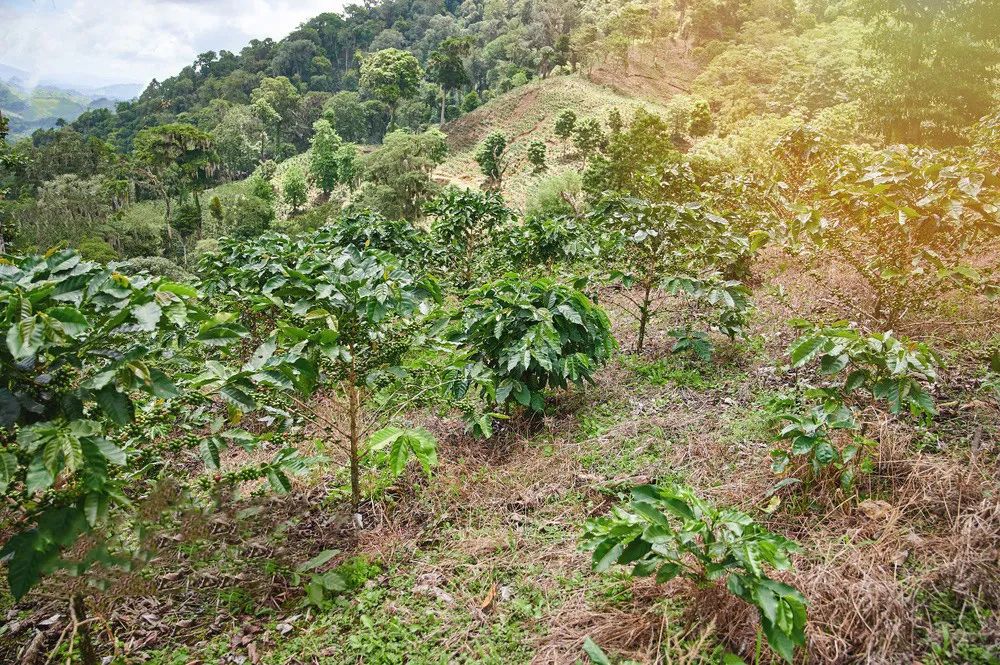
 The coffee story of Baoshan began in 1955, with the Ludianba area as its core producing region. Compared to the urbanization of Pu’er, Baoshan’s coffee farms are closer to nature, with many small family courtyards surrounded by coffee trees. Here, you can easily access the coffee growing environment and also meet coffee farmers from places like Taiwan, who bring different farming philosophies. Farmer Fan Qizuo from Baoshan is a local representative dedicated to preserving traditional varieties—his Typica and Bourbon coffees are favored by multiple specialty coffee brands.
When discussing the varieties of Yunnan small-bean coffee, we must start with the Typica introduced by Téodore Monnier from Vietnam in 1904. As an Arabica small-bean variety, Typica is known for its delicate flavor but is gradually being replaced by Catimor due to its weak disease resistance and low yield. Catimor is a hybrid of Arabica and Robusta, containing 25% Robusta genetics, thus offering stronger resistance to leaf rust, higher yields, while retaining some of Typica’s flavor complexity—it has become the mainstream cultivated variety in Yunnan today.
The birth of Catimor can be traced back to 1959, when Portuguese breeders crossed a mutant variety of Brazilian Bourbon called Caturra with Timor, which has Robusta lineage. This variety thrives at altitudes of 800 to 1800 meters, with the dry-hot valley regions around 1100 meters altitude capable of producing high-quality coffee with balanced acidity and sweetness, and intense aroma. Many producing areas in Yunnan meet these ideal conditions.
Due to Yunnan’s variable climate and long rainy season,washed processinghas become the mainstream method. This approach effectively stabilizes quality by removing the pulp and fermenting and washing the beans to retain the pure flavor of the coffee. After harvest, the berries undergo pulping or tank separation to remove impurities and defective beans, followed by fermentation and washing, and finally drying.
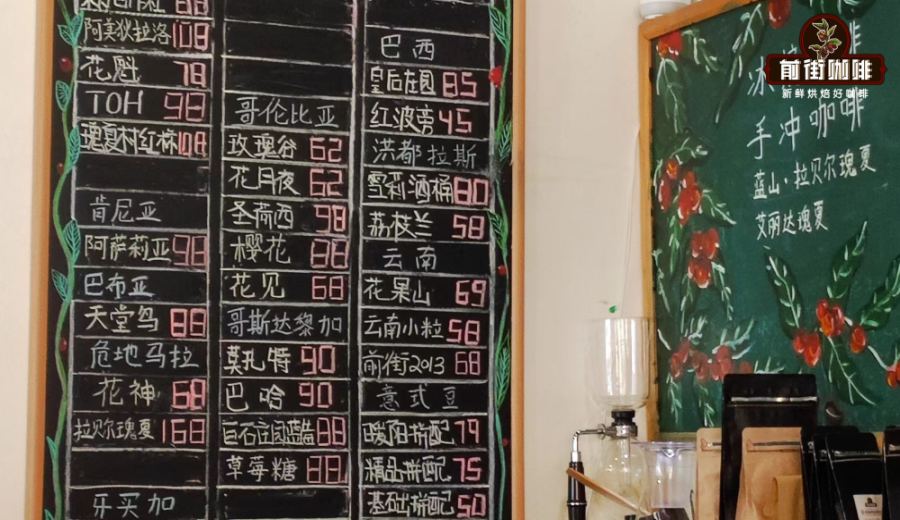
 Take, for example, an actual cupping result: a brand’s “Yunnan · Flower and Fruit Mountain,” using the Typica variety with washed processing, grown at 1200 meters altitude in Baoshan. The cupping notes show a rich fruity aroma on entry, with melon and herbal tones, a middle section featuring nutty and milk chocolate flavors, a bright plum acidity in the finish, and a lingering aftertaste as smooth as black tea and brown sugar. It is recommended to use a V60 filter, 15g of coffee, 90°C water temperature, 20-mesh sieve at 80% extraction rate, water-to-coffee ratio of 1:15, 30-second bloom followed by pulse pouring, with total extraction time around 2 minutes. The flavors exhibit clear floral notes and melon characteristics.
Another option, “Yunnan Small Bean,” uses the Catimor variety, also with washed processing, from a similar producing area and altitude. The cupping flavor is dominated by Asian herbal aromas, with bright and lively acidity, and a sweet finish of dark chocolate and honey. The brown sugar flavor becomes more pronounced as it cools. Brewing recommendations are similar to the former, but the pouring rhythm can be slightly faster to balance its full-bodied base, highlighting layers of nuts and caramel.
The above content is compiled by CoffeeHunters, a coffee news website.


