








Introduction:Although both cold drip and cold pour over belong to the category of low-temperature coffee brewing, they differ greatly in extraction logic, flavor presentation, and operational details. This article starts with the impact of temperature on flavor, breaks down the core differences between the two techniques, and uses Honduran Mocha Estate Sherry coffee beans as an example to detail key parameters such as coffee-to-water ratio, grind size, and pouring techniques. It also compares the final flavor profiles of the two, helping you choose the right cold coffee brewing method based on your taste preference.
What is the fundamental difference between cold drip coffee and cold pour over? This is a common question among many coffee enthusiasts. Simply put, cold drip is a low-temperature, slow extraction method that relies on time to accumulate flavor, while cold pour over, although also using cold water, achieves quick extraction through high-temperature pre-treatment and precise pouring techniques. The two methods show significant differences in flavor complexity, clarity of taste, and even total brewing time. This article will focus on how temperature affects extraction, delve into the characteristics of high- and low-temperature extraction, and present the complete brewing processes and flavor comparisons of the two methods using Honduran Mocha Estate Sherry coffee beans as a sample.

Temperature is one of the key variables affecting coffee extraction. It directly influences the decomposition rate of oils, acids, and sugars in coffee—high temperatures accelerate molecular movement, making flavor compounds more readily released, while low temperatures slow down the reaction, preserving more delicate aromas. This principle determines the final characteristics of coffee from different extraction methods: high-temperature brewing tends to produce bold and direct flavor profiles, whereas low-temperature brewing leans toward subtle and lingering aromatic notes.
A typical characteristic of high-temperature extraction is its efficiency. Using hot water (usually above 90°C), tannic acids in the coffee quickly break down into quinic acid, creating a balanced sensation of acidity, sweetness, and bitterness—this is what we commonly refer to as the "flavor release" process. However, it’s important to note that over-extraction at high temperatures can cause woody fibers in the coffee beans to dissolve, resulting in unpleasant woody or astringent notes.
In contrast, cold drip employs near 0°C ice water that slowly permeates through the coffee grounds. The low-temperature environment inhibits the loss of volatile compounds, allowing the coffee’s original aromas to be fully preserved within the liquid. When consumed, as the coffee liquid warms up, these "sealed" aromas suddenly burst in the back of the mouth, delivering a strong layered impact and sense of satisfaction. However, the downside of this technique is also evident: a single extraction can take several hours, and after completion, the coffee must rest for at least 8 hours (in a refrigerated environment) to allow flavor molecules to fully integrate, making it unsuitable for immediate consumption.
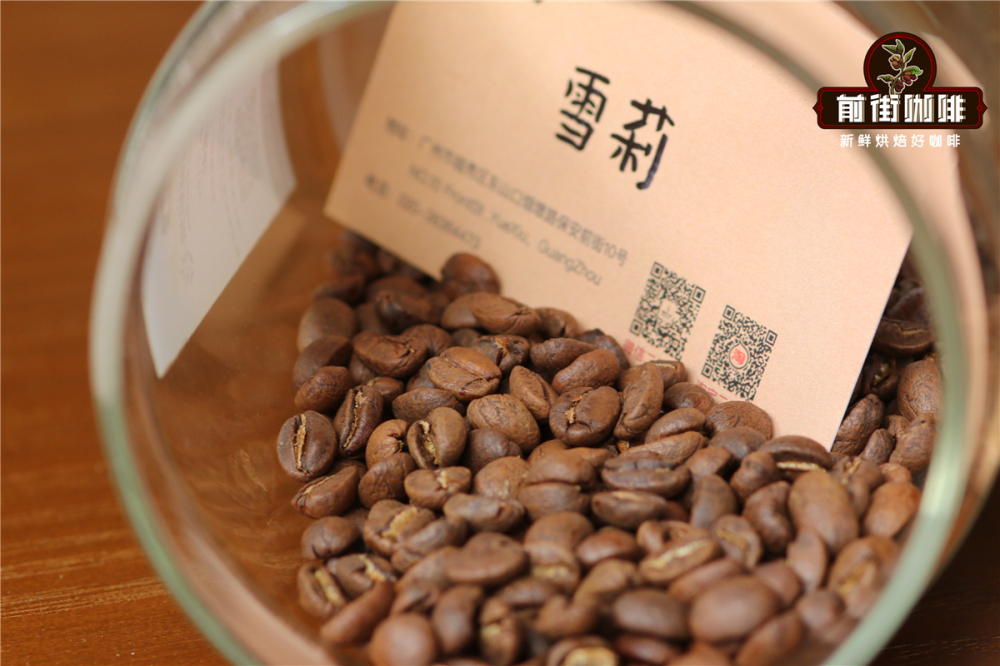
To directly compare the differences between the two methods, this test used Honduran Mocha Estate Sherry coffee beans. These beans are grown at an altitude of 1500-1700 meters on a plateau, and are a blend of Caturra, Catuai, and Pacas varieties. They undergo meticulous washed processing and whisky barrel fermentation, naturally possessing a distinctive wine-like aroma and a sweet flavor base.
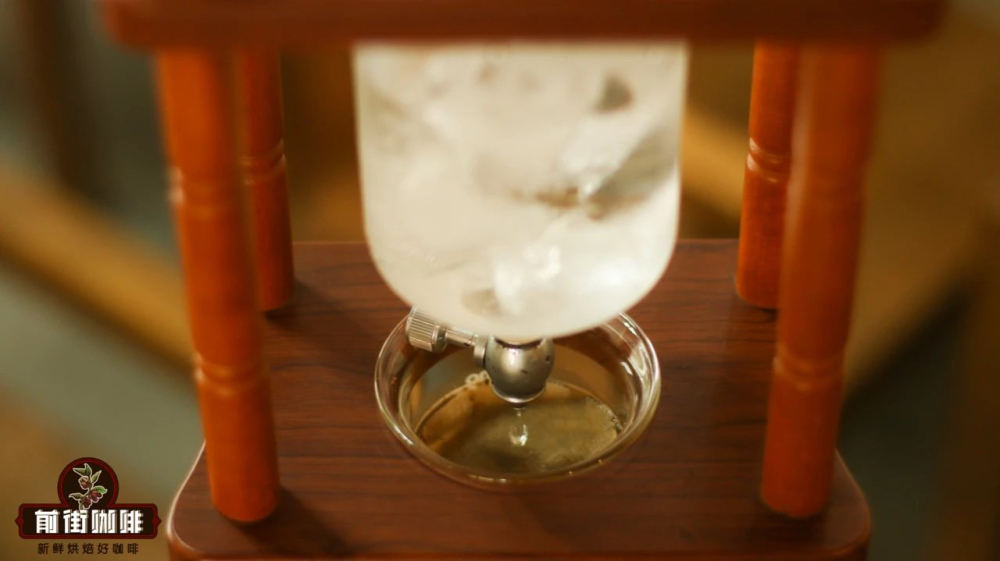
Brewing cold drip coffee places great emphasis on ratio and equipment control. The recommended coffee-to-water ratio is 1:10 (for example, 60 grams of coffee grounds to 600 milliliters of ice water). This ratio ensures sufficient extraction concentration but requires subsequent dilution before drinking. When using a Tiamo cold drip brewer, place a round filter paper at the bottom of the second layer coffee chamber and wet it to adhere to the cup walls, then add coarsely ground coffee (about the size of rock sugar, roughly 60% passing through a #20 sieve). Lightly shake to level or gently press with a tamper. The crucial step is to cover the coffee surface with a layer of filter paper—the tension of the paper evenly distributes the pressure of the dripping water, preventing the coffee bed from sinking over time due to prolonged dripping, which could affect extraction evenness. During the pre-soaking phase, use ice water (a 1:1 ice water mixture is recommended), adjust the valve to a drip rate of 7 drops per 10 seconds, and maintain the coffee bed surface by adding water in small increments to prevent localized over-extraction.
The freshly extracted cold drip coffee should not be consumed immediately. Pour the coffee liquid into a sealed glass bottle and refrigerate for at least 8 hours (it is recommended to wait 24 hours), allowing the flavor molecules to fully release and integrate in the low-temperature environment. Note that even if the container is clean, the optimal flavor window for cold drip coffee is within 72 hours after extraction; beyond that, it may spoil due to bacterial growth in the refrigerator.
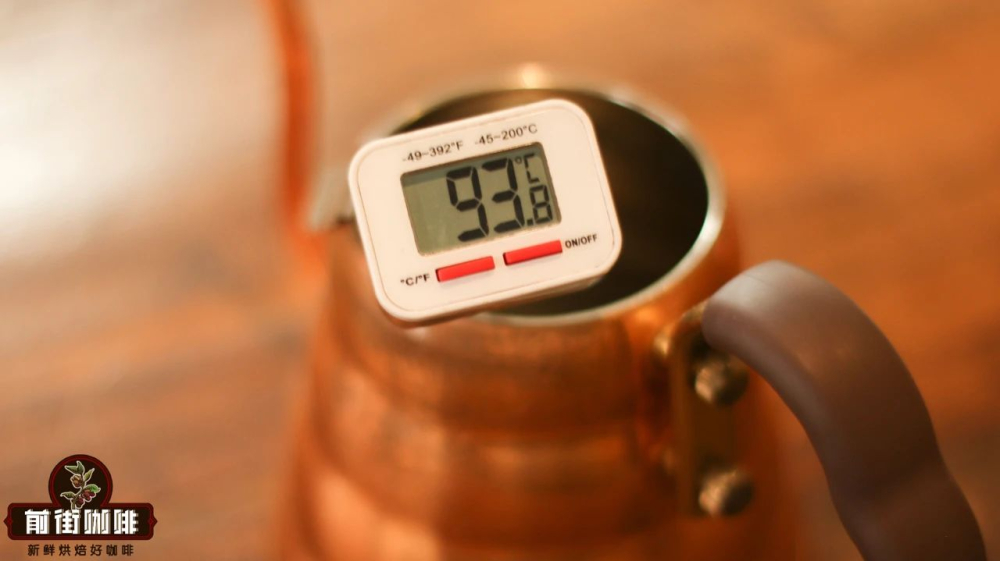
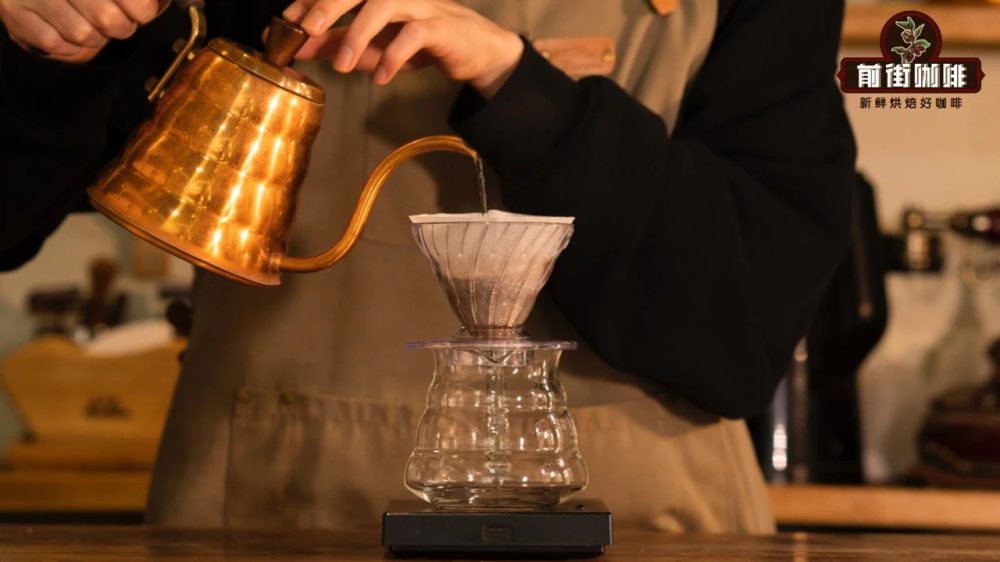
Cold pour over, on the other hand, achieves quick extraction through high-temperature pre-treatment and precise pouring techniques. Using a Hario V60 dripper, measure 15 grams of coffee, maintain the same 1:10 coffee-to-water ratio, but adjust the grind size to medium-fine (approximately 80% passing through a #20 sieve), and control the water temperature at 91°C. Begin by preheating the dripper and server, rinse the filter paper, and add the coffee grounds. Bloom with 30 grams of hot water for 30 seconds to form a “hamburger-shaped” coffee bed. The second pour involves pouring in a steady circular motion from the center outward, keeping the water stream stable and vertical, and stopping when the water level reaches the bottom of the shorter ribs (pour volume 90 grams, total time 50 seconds). This stage focuses on releasing aromatic compounds from the coffee foam. The third pour switches to a “fragrance sniffing” technique, slowly pouring water along the center up to 150 grams (total time 1 minute 40 seconds), at which point the foam turns light yellow. Finally, pour the coffee liquid into a pre-chilled large server, stir with ice to mix evenly, and enjoy.
In terms of flavor, cold drip coffee, due to its long-duration low-temperature extraction, presents a rich whisky-like aroma and sweet notes of vanilla cream. The mouthfeel is smooth as velvet, with a lingering finish reminiscent of mild chocolate liqueur. In contrast, cold pour over, thanks to its high-temperature pre-treatment and staged pouring, highlights a bright wine aroma in the initial stage, transitions to gentle fruit acidity and creamy texture in the middle, and ends with a slight nutty cocoa astringency and aftertaste, offering a more complex layered experience.
In summary, cold drip coffee is ideal for enthusiasts who seek a rich, clean taste and are willing to invest time; cold pour over, with its faster brewing efficiency and distinct flavor layers, serves as a practical choice for everyday enjoyment of iced coffee. Understanding the differences in their brewing techniques and parameter logic can help you find your perfect cup of iced coffee based on the scenario and your flavor preferences.
The above content is compiled by CoffeeHunters, a coffee news website.


