







Introduction:Yirgacheffe is renowned for its bright citrus acidity and floral-tea aroma, making it a popular starting choice for many pour-over beginners. However, to brew out its delicate and elegant flavors, one must precisely control the coffee-to-water ratio, water temperature, and pouring technique. This article delves into the secrets of medium-light roasting, helps you understand the regional characteristics and flavor origins of Yirgacheffe, and provides a step-by-step guide to the three-stage pouring process using 15 grams of coffee grounds and a 1:15 coffee-to-water ratio — including bloom time, water distribution, and total brewing time — to help you build a solid pour-over foundation and better adjust parameters to highlight desired flavors.
Yirgacheffe coffee is highly popular among global pour-over enthusiasts for its unique citrus notes, bright acidity, and smooth tea-like body. This classic Ethiopian coffee, when extracted with the correct technique, can showcase a light, layered fruit-and-floral tea profile, standing in stark contrast to the typically bold and heavy black coffee. However, to fully express its nuanced flavors, every step — from bean variety selection and roast level to pour-over parameters — involves subtle expertise.
The name “Yirgacheffe” originates from the town of Yirgacheffe within Ethiopia’s Sidamo region. Originally just a sub-region of Sidamo, its coffee developed a highly distinctive flavor profile that gradually captured international market attention. Eventually, it separated from Sidamo to become its own designated region. Today, Yirgacheffe, along with Sidamo and Harrar, is registered by the Ethiopian government as a commercial trademark, representing a specific style of coffee flavor.
The so-called “Yirgacheffe flavor” primarily refers to that refreshing citrus, lemon, and berry acidity paired with sweet notes, complemented by intense floral aromas and a silky tea-like aftertaste. The presentation of this unique flavor relies on factors such as cultivation altitude, processing method, roast degree, and the final brewing technique. To replicate this unforgettable taste at home, several key elements must be mastered.
Generally speaking, Yirgacheffe is mostly medium-light roasted. The beans from this region are naturally small in size, and roasting them too dark can lead to uneven heating and partial scorching, which may mask their delicate fruit acidity and floral notes. In fact, many roasters have found that medium-light roasting better highlights Yirgacheffe’s bright acidity and fruity character, making it a flagship flavor in the specialty coffee market.
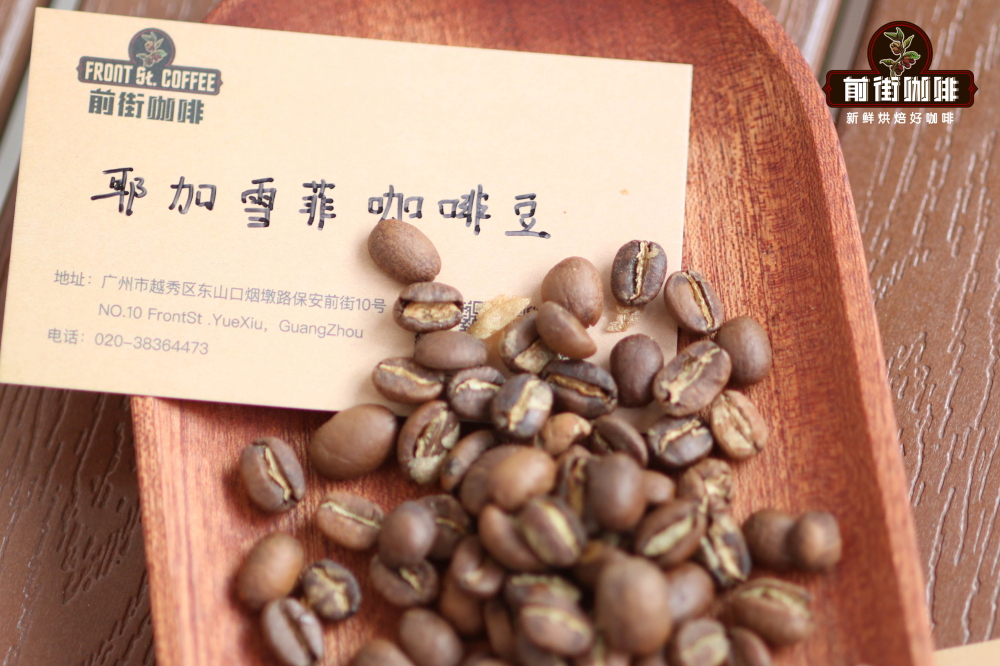
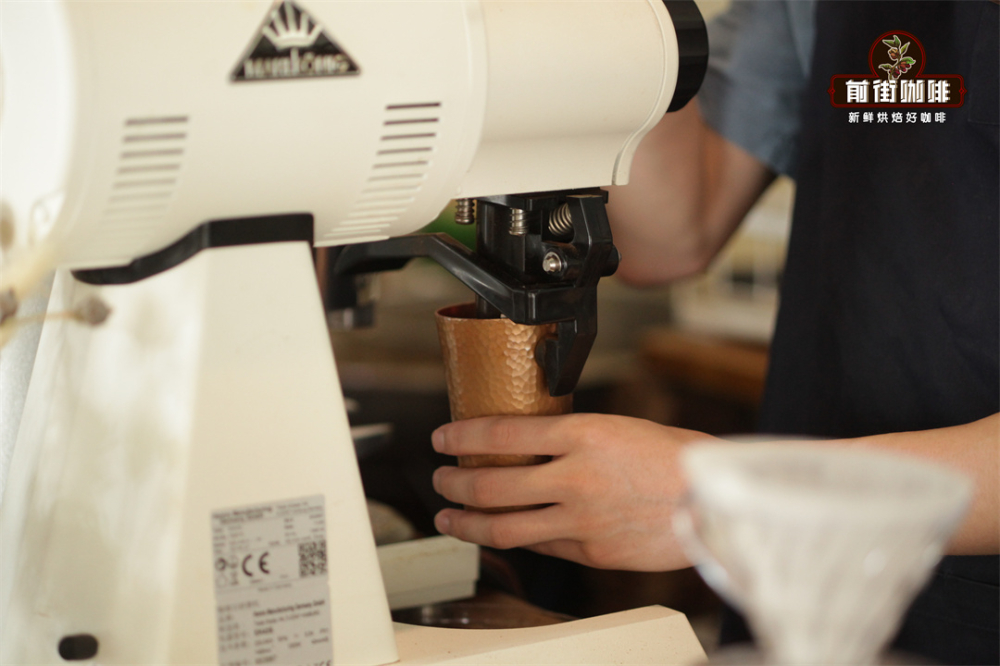
Before starting your pour-over, be sure to prepare the following basic equipment: pour-over kettle, filter cone, server, grinder, filter paper, digital scale, and thermometer, and select Yirgacheffe coffee beans that are at their optimal freshness. Among these, the choice and calibration of the grinder are crucial, because the grind size and uniformity directly affect extraction results. Grinds that are too coarse may lead to under-extraction and weak flavors; grinds that are too fine may cause over-extraction, resulting in bitterness and off-flavors. It is recommended to use a standard 20-mesh (0.85mm) sieve for testing — the ideal extraction rate for medium-light roasted beans is around 75–80%. In this example, the Yirgacheffe is calibrated based on an 80% extraction rate, which corresponds to a grinder setting of about 10.
Water temperature is also a key parameter affecting extraction. Generally, the higher the water temperature, the stronger the extraction efficiency, but it can also release more bitter and astringent substances. For medium-light roasted Yirgacheffe, it is recommended to use hot water at 91–93°C to fully elicit its fruit acids and floral notes; using water close to boiling point may instead bring out unpleasant off-flavors. In comparison, medium-dark roasted beans, due to more caramelization reactions, are better brewed at lower temperatures of 87–90°C to avoid over-extraction.
The choice of filter cone also affects brewing performance. In this example, a resin V60 filter cone is used. Its body features multiple spiral flow ribs and a large central hole, which accelerates water drainage while the spiral venting grooves extend contact time between water and coffee grounds, resulting in a more layered coffee flavor. Before using the filter paper, remember to wet it with water to make it adhere to the filter cone and prevent paper taste from interfering with the coffee’s flavor.
During actual pour-over, beginners are advised to use the three-stage pouring method, which helps more stably control the extraction rhythm and avoids over-extraction or prolonged steeping due to pouring too much water at once. Using 15 grams of coffee grounds and a 1:15 coffee-to-water ratio as an example, the total water volume is 225ml, poured in three stages: the first stage is 30ml (bloom), the second is 95ml, and the third is 100ml. The digital scale readings are 30g, 125g, and 225g respectively, with the total brewing time controlled at approximately 2 minutes.
The steps are as follows: First, place the filter paper in the filter cone, rinse it with hot water, and discard the rinse water. Add 15 grams of ground coffee into the filter cone, gently tap to flatten the surface, and reset the digital scale to zero. The first stage is to pour 30g of hot water for blooming, with a recommended temperature of 91–93°C. Pour slowly in a circular motion from the center outward, continuing for 30 seconds to ensure all coffee grounds are evenly moistened. After the bloom, switch to a slightly larger stream of water for the second stage, pouring steadily 95g of water, aiming to finish around the 55-second mark with a total weight of 125g. The water flow should be vertical and even to help lift the coffee bed. When the liquid level drops to about half, begin the third stage, using a small stream to pour 100g of water in small circles. Be mindful to control the area to avoid disrupting the coffee grounds layer. The total dripping time is approximately 2 minutes. After brewing, gently shake the server to mix the coffee liquid evenly, and it is ready to enjoy.
Please note that the above parameters are only for reference and can be slightly adjusted according to personal taste preferences during actual brewing. For example, if you prefer a brighter acidity, you can slightly increase the water temperature or shorten the brewing time; if you prefer a fuller body, you can slightly increase the water volume or extend the total time. Pour-over coffee is essentially a blend of science and experience — understanding the meaning behind each parameter allows you to gradually establish your own brewing framework and flexibly apply it across different coffee varieties.
The above content is compiled by CoffeeHunters, a coffee news website.


