







Introduction:Indonesian Mandheling is renowned in the global coffee market for its rich, full-bodied flavor and low acidity with a smooth finish. This article delves into the flavor profiles of two representative beans — the Sumatra Lintong region and PWN Golden Mandheling — and provides practical pour over brewing tips tailored for dark-roasted Mandheling, including water temperature, grind size, filter choice, and three-stage pouring techniques. These insights will help you brew a layered and vibrant cup of Mandheling at home.
Indonesian Mandheling coffee stands out on the world coffee map with its deep, steady flavors, robust body, and low acidity. Unlike the bright fruity acidity often found in African beans, Mandheling leans toward dark spices, nuts, and chocolate, making it a favorite among coffee enthusiasts who enjoy a full-bodied taste. However, such dark-roasted styles can easily be over-extracted or under-extracted if the pour over parameters are off, leading to flavor loss or unpleasant astringency. This article will explore the background of the Sumatra region and the unique wet-hulling processing method, compare the flavor differences between Lintong Mandheling and PWN Golden Mandheling, and offer a tailored pour over extraction guide for dark-roasted Mandheling — so you can brew a classic cup with "Mandheling character" at home.
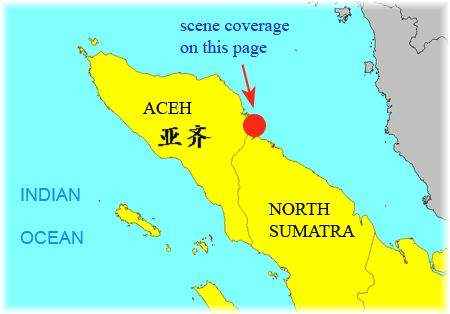
Sumatra is one of Indonesia’s primary coffee-producing regions, with the northern areas around Lintong and Lake Toba — at elevations of 1,000 to 1,600 meters — being particularly famous. The region features a tropical rainforest climate with high temperatures and humidity year-round, along with fertile volcanic soil that provides an ideal environment for growing Arabica coffee. However, due to the local altitude and variety characteristics, most Mandheling beans are not traditional high-elevation specialty-grade beans but mainly consist of Ateng (i.e., Catimor) and Tim Tim (a hybrid of Typica and Robusta), which naturally deliver a strong body and unique spicy notes. Among them, the Lintong region, close to volcanoes, benefits from nutrient-rich soil, resulting in Mandheling beans with pronounced aromas of wood, spice, and caramel. Meanwhile, PWN’s Golden Mandheling, made from G1-grade beans that have undergone three rounds of manual selection, also primarily uses the Ateng variety. However, the selection process significantly reduces defect rates, enhancing its sweetness and aroma.
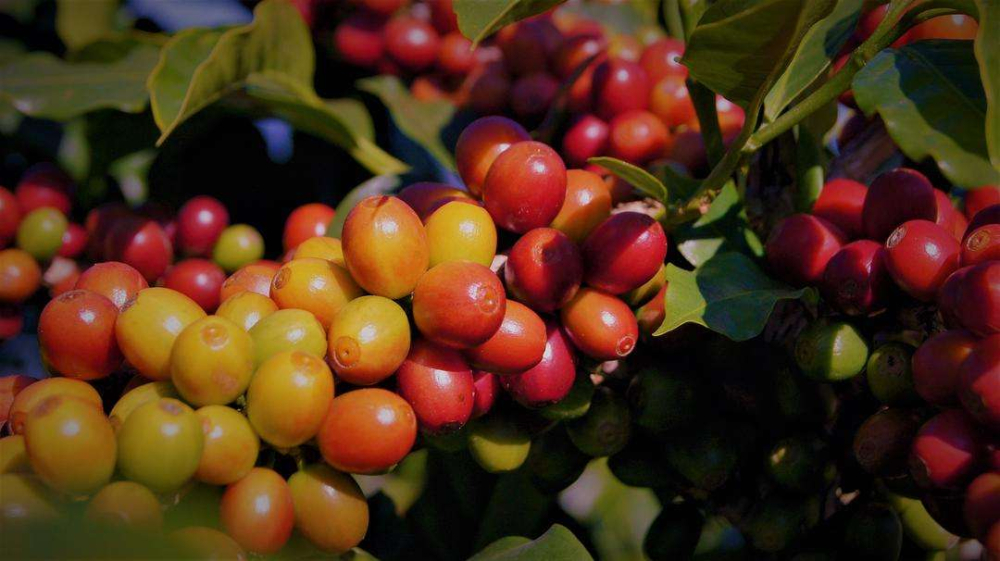
The reason Indonesian coffee has such rich, full-bodied, and low-acidity characteristics lies in its unique wet-hulling (aka Giling Basah) processing method. This method is similar to the washed process in the early stages: the coffee cherries are first depulped, then the mucilage-covered beans undergo brief fermentation (around 3 hours), followed by washing and initial drying to a moisture content of 20%–24%. However, unlike the washed method, the wet-hulling process removes the outer parchment layer while the beans are still semi-hard, and then continues drying until the target moisture level of 13% is reached. This approach effectively suppresses the formation of excessive acidic compounds while increasing bean density and body, creating the signature low-acid, bold, and spicy flavors of Mandheling.
Currently, the most common types of Indonesian Mandheling beans on the market are the everyday-drinking beans from the Lintong region and the premium-grade PWN Golden Mandheling. Lintong Mandheling typically exhibits prominent nutty, spicy, and chocolatey notes, making it suitable for those who enjoy classic Indonesian flavors. In contrast, PWN Golden Mandheling offers a more refined aroma profile, with additional layers of herbal and dark chocolate complexity, as well as a distinct caramel sweetness, on top of its nutty and spicy base. It's worth noting that "Golden Mandheling" is a registered trademark of PWN, and only specific batches produced by them may use this name. Other products on the market with the same name may not offer the same quality.For dark-roasted Mandheling coffee, it is recommended to use a lower water temperature and a slightly coarser grind to minimize the risk of over-extraction. A general guideline is to use hot water around 87°C, paired with a grind size that allows about 70% of the particles to pass through a Chinese No. 20 standard sieve (approximately medium-coarse). This helps extend the extraction time and reduce the extraction rate per unit of time, thereby highlighting a full-bodied yet balanced flavor. For the filter, the KONO dripper is a great choice due to its unique rib structure (mainly located on the middle and lower parts, with a smooth upper section), which allows the filter paper to adhere closely to the dripper wall, reducing air circulation and extending the contact time between water and coffee grounds, as well as slowing down the flow rate. This contributes to enhanced concentration and body, especially ideal for dark-roasted Mandheling where bold flavors are desired.
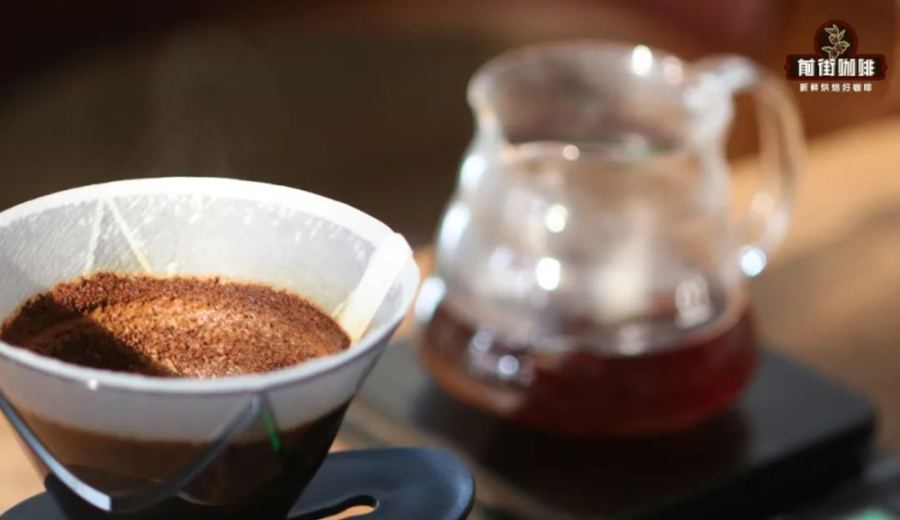
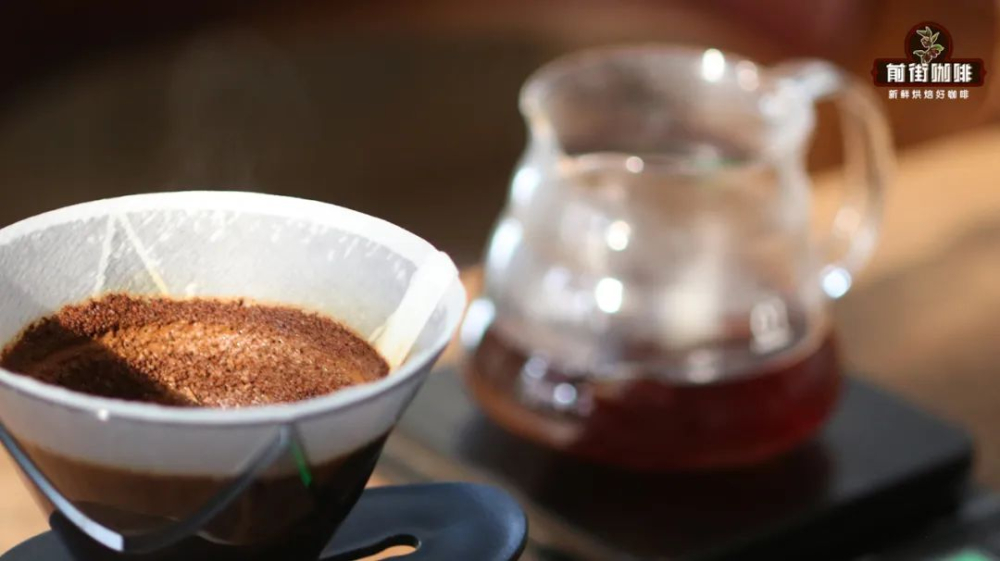
For actual pour over brewing, a 1:15 coffee-to-water ratio is recommended (e.g., 15 grams of coffee grounds to 225 milliliters of water), using a three-stage pouring method. Start with a 30-second bloom using 30 grams of water — during which dark-roasted beans usually expand noticeably, forming a “bloom dome,” which is normal. Then steadily pour the second stage up to a total of 125 grams of water, and once the liquid level drops to about half, pour the final 100 grams. Throughout the process, use a thin, even stream to avoid localized over-extraction or channeling. Also, make sure to use freshly roasted coffee beans (ideally within 5 days of roasting) for the best flavor performance.
When you complete the extraction using the above parameters, Lintong Mandheling typically showcases a mellow spiciness, complemented by prominent roasted nut and chocolate aromas, with a hint of sweetness in the aftertaste. PWN Golden Mandheling, thanks to its higher quality and meticulous selection process, delivers a more intense and layered flavor profile. Beyond the foundational notes of spice and dark chocolate, you can also perceive a clear caramel sweetness and a longer-lasting finish. Whether you’re a beginner just starting with pour over or an experienced coffee enthusiast, mastering the right water temperature, grind size, and pouring rhythm will allow you to easily recreate the unique charm of these two classic Indonesian Mandheling coffees at home.
The above content is compiled by CoffeeHunters, a coffee news website.


