







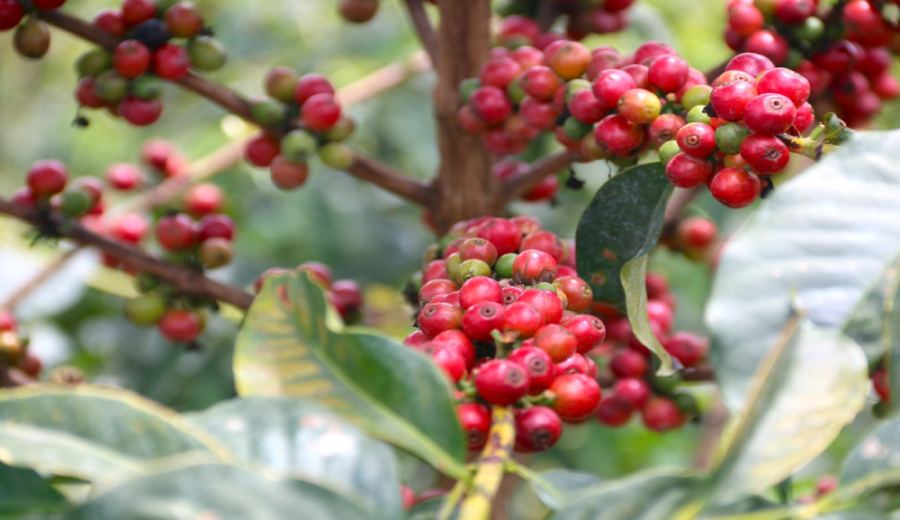
Introduction:Kenyan AA coffee is renowned for its bright acidity and intense fruity aroma, making it a top choice for many pour over enthusiasts. This article delves into the history, grading system, and key growing regions of Kenyan coffee, and provides practical pour over parameters—including water temperature range, brew ratio, and pouring rhythm—to help you fully showcase the unique flavor profile of Kenyan beans.
With its distinctive berry-like acidity and juicy mouthfeel, Kenyan coffee holds a prominent place in the global specialty coffee market. This East African coffee not only boasts vibrant fruit notes but is also celebrated for its refined processing techniques and rigorous grading system. This article will take you on a comprehensive journey through the rise of Kenyan coffee, regional differences, and offer expert pour over recommendations—so you can brew high-quality Kenyan AA coffee at home.
Although Kenya’s coffee cultivation history is not as long as that of neighboring Ethiopia, its development has been remarkably rapid. Particularly during the British colonial period, the establishment of variety breeding and grading systems laid the foundation for the high quality of Kenyan coffee today. Among the most representative are the SL28 and SL34 varieties selected by Scott Laboratories, which remain the soul of Kenyan coffee to this day.
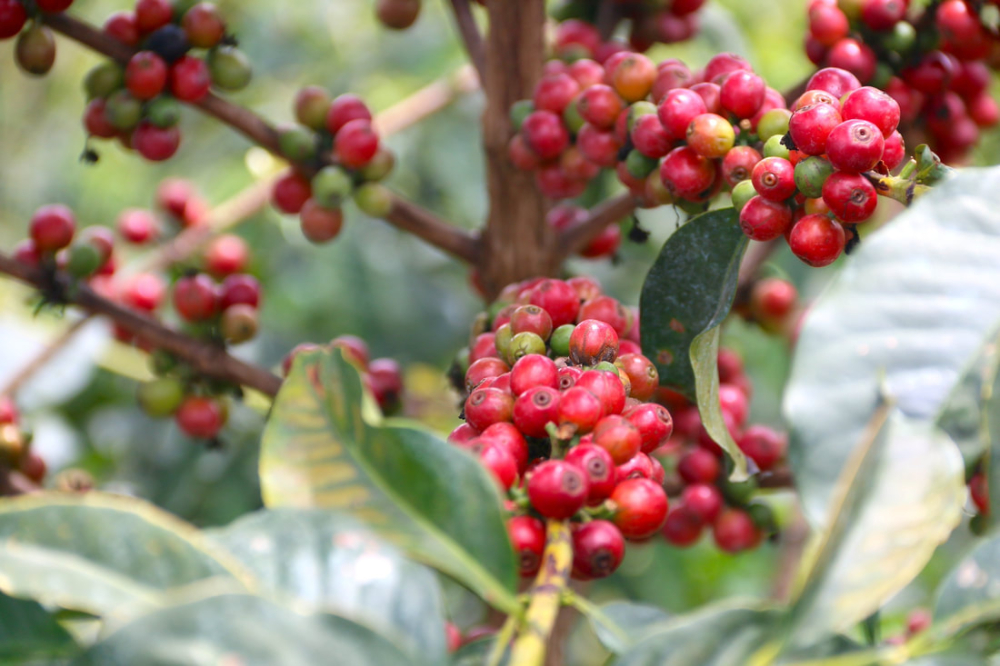
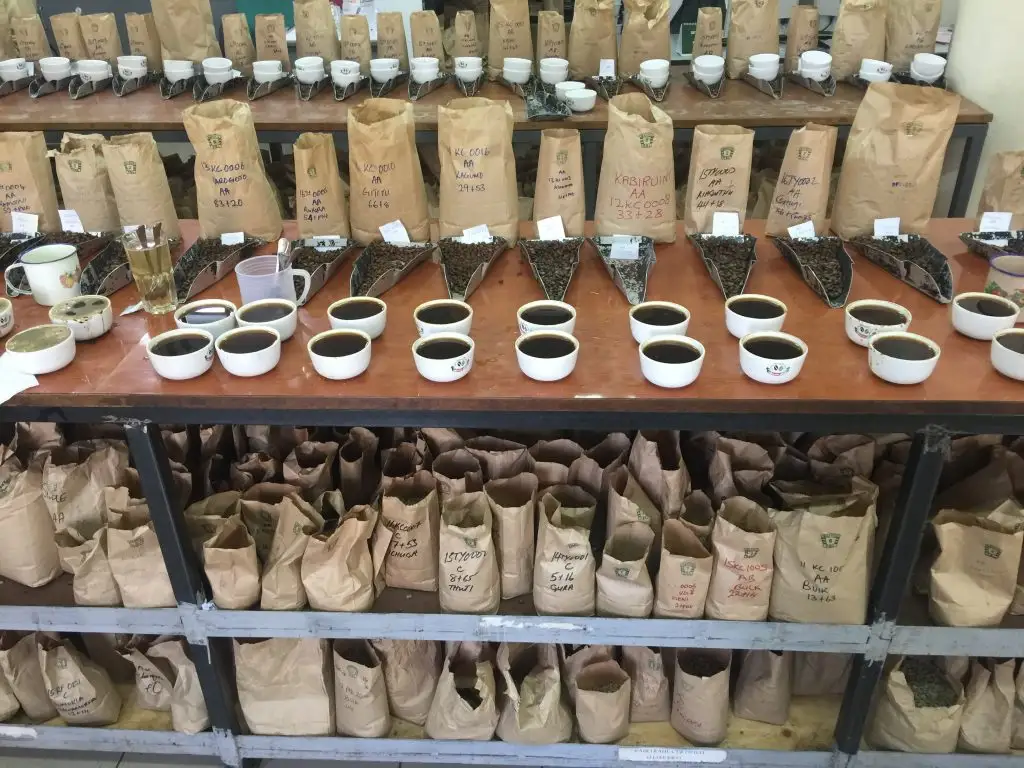
Kenya’s coffee grading system is quite detailed, primarily assessing bean size and cupping performance to determine grade. The highest grades are AA and AA+, typically consisting of large 17–18 mesh beans that are the backbone of specialty coffee. The next grade is AB, which makes up the majority of production, with beans sized 15–16 mesh. Other grades include PB (peaberry), C, E (elephant bean), and T. Notably, within the AA and AB grades, exporters also assign unofficial but widely used quality classifications such as TOP, PLUS (+), and FAQ based on cupping results.
The most famous processing method in Kenya is the K72 extended fermentation washed process. Unlike the conventional 24–36 hour fermentation, Kenya employs a 72-hour fermentation process, which fully develops the coffee’s acidity and aroma while preserving a clean taste. After fermentation, the beans are thoroughly washed and dried on African raised beds until their moisture content drops to around 12%.
Coffee cultivation in Kenya is mainly concentrated in the central and western regions. Central regions such as Nyeri, Kirinyaga, and Muranga are known for their high altitudes and volcanic soils, providing ideal growing conditions for coffee. Western regions such as Kisii and Bungoma are located at the foot of Mount Elgon and also have notable coffee potential.
The Nyeri region is one of the representative origins of Kenyan coffee, boasting fertile red soil and a high-altitude environment perfect for coffee cultivation. Key varieties include SL-28, SL-34, Ruiru 11, and Batian, with altitudes ranging from 1,200 to 2,300 meters. The harvest season is divided into the main season (October to December) and the fly season (June to August). Coffee from this region typically exhibits bright acidity and complex fruit notes.
The Kirinyaga region neighbors Nyeri and is similarly known for its high-altitude volcanic soil. Altitudes range from approximately 1,350 to 1,950 meters, and the main varieties are similar to those in Nyeri. Most coffee farmers here operate on a small scale, producing coffee with delicate flavors and good balance. The harvest season is the same as in Nyeri, split into two main periods.
The Kirinyaga region is located on the slopes of Mount Kenya and, alongside Nyeri, is regarded as one of Kenya’s top-tier coffee-producing areas. Coffee from here is known for its layered complexity and solid body, also predominantly featuring SL-28, SL-34, and similar varieties. Altitudes range from 1,300 to 1,900 meters, with harvest seasons in October–December and June–August. Coffee from this region often demonstrates stronger flavor intensity and greater complexity.
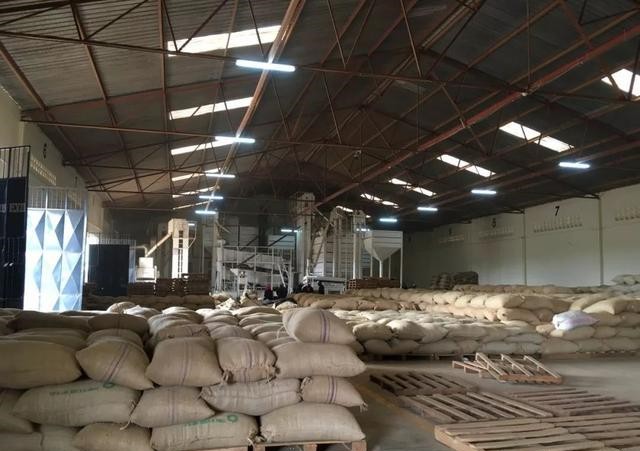
The Assalia Factory is located in the Thika area, at an altitude of about 1,550–1,750 meters, specializing in high-quality washed Kenyan AA coffee. It uses the SL28 and SL34 varieties and employs the traditional K72 processing method, fully highlighting the unique flavor characteristics of Kenyan coffee.
Recommended pour over parameters are as follows: 15 grams of coffee grounds, a brew ratio of 1:15, and a water temperature of 89–92°C. Grind size is approximately EK43S#10 (medium-fine). The specific steps are: first, perform a 30-second bloom with 30 grams of water, then pour up to 125 grams (around 1 minute), and when the water level drops halfway, continue pouring the remaining water (totaling about 225–250 grams, finishing in about 2 minutes). This pouring method helps fully extract the coffee’s acidity and aroma while maintaining a clean mouthfeel.
The brewed Kenyan AA coffee typically showcases pronounced notes of berries, dark cocoa, and dried fruit, with medium-high and bright acidity, a viscous body, moderate bitterness, and a clean, long-lasting aftertaste. This flavor profile makes Kenyan coffee an excellent choice for pour over enthusiasts seeking to explore the balance between acidity and fruity notes.
The above content is compiled by CoffeeHunters, a coffee news website.


