







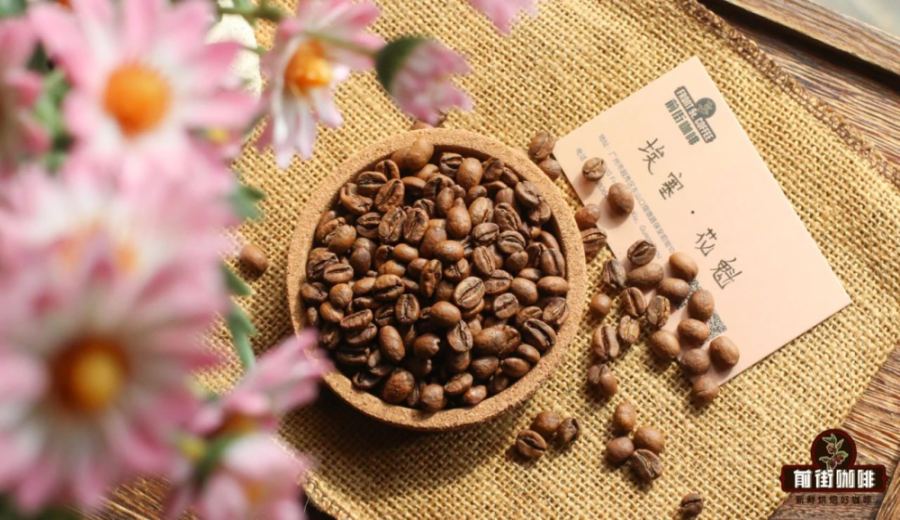
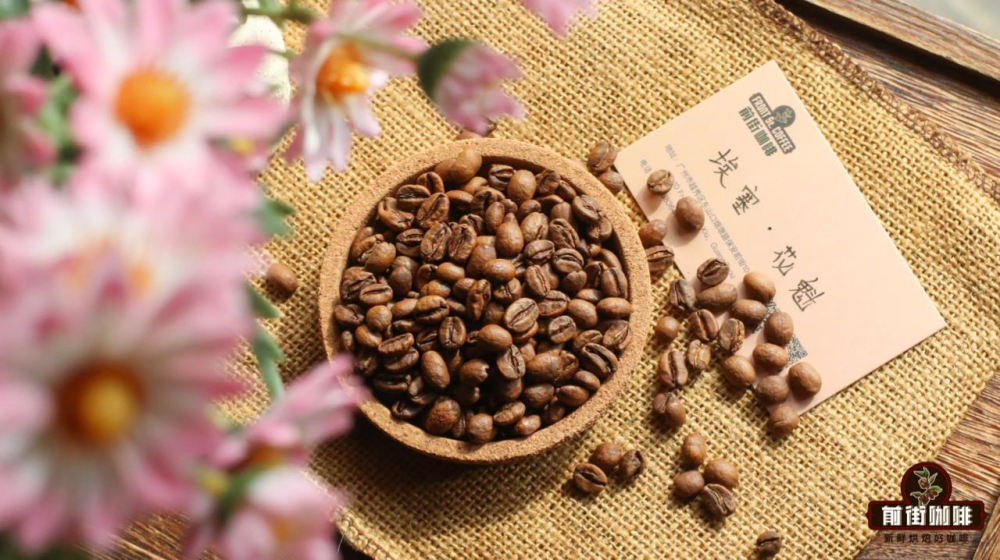
Introduction:Since winning the TOH competition in 2017, the Huakui coffee has become a representative of Ethiopian natural-processed beans with its intense berry aroma and creamy texture. This G1-grade coffee from the Guji Hambella region, crafted through meticulous natural processing, showcases flavors of blackcurrant acidity, almond sweetness, and a honey-like finish. This article delves into its regional background, processing methods, varietal characteristics, and offers professional pour-over and brewing recommendations to help you fully experience the layered flavors of this classic bean.
The Huakui coffee is undoubtedly one of the most talked-about Ethiopian natural-processed beans in the specialty coffee scene in recent years. Ever since it won the natural category championship at the TOH (Ethiopia National Taste of Harvest Competition) in 2017, this coffee from the Guji region has quickly captivated the palates of coffee enthusiasts with its rich berry aroma and creamy texture. When brewed as a black coffee, high-temperature stages reveal distinct notes of almond and caramel sweetness, which gradually give way to blackcurrant-like acidity and sweetness as the temperature drops, with a honey-like lingering aftertaste. The overall profile is layered and unforgettable.
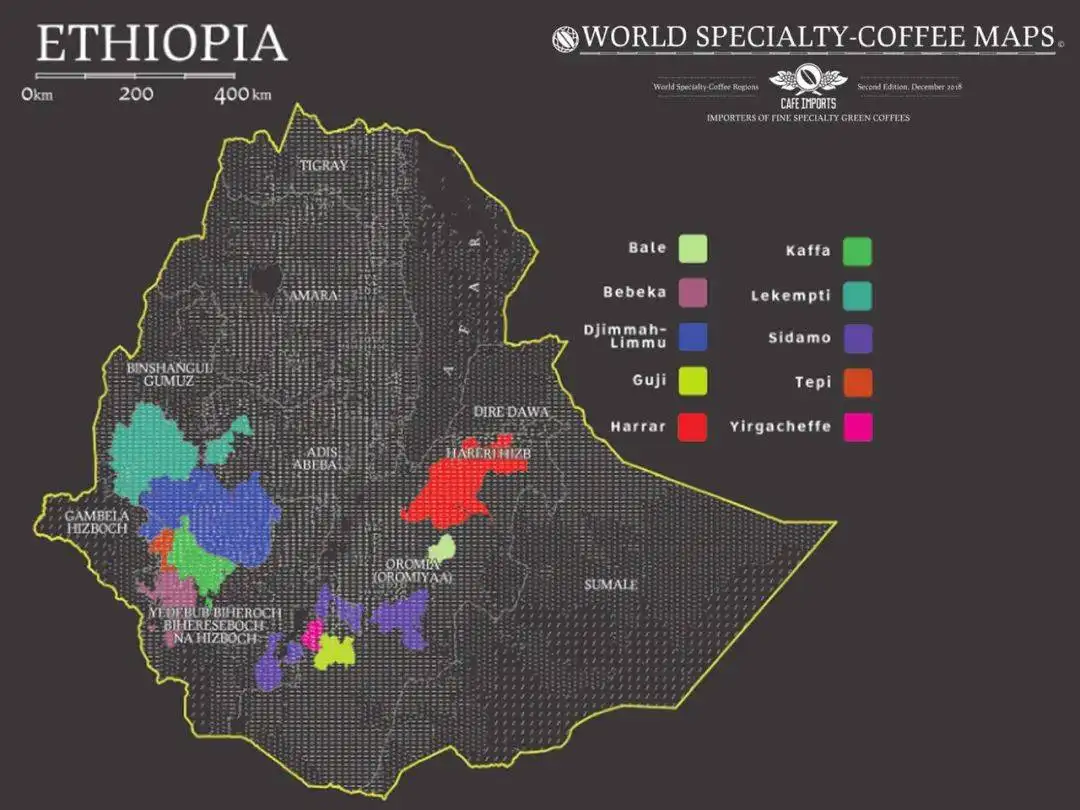
Speaking of this coffee, we must mention its growing region — Guji. Originally part of the Sidamo region, Guji was designated as an independent region by the Ethiopian Commodity Exchange (ECX) in 2010. Located southeast of Yirgacheffe, the area features diverse terrain, including mountains, valleys, and plains, with nutrient-rich black soil (Vertisol), nearly two meters deep, and elevations generally exceeding 1,800 meters. Such geographical and climatic conditions create significant diurnal temperature variations, providing an ideal terroir for cultivating high-quality specialty coffee.
The origin of Huakui coffee is more precisely the Hambella sub-region within the Guji region, a name that only gained widespread recognition after the bean won the TOH competition in 2017. That year, Ethiopia’s DW Coffee Company submitted a natural-processed coffee bean from the Buku Abel washing station in Hambella to the competition. Thanks to its intense berry aroma and creamy texture, the bean claimed the natural category championship, and the name "Huakui" became synonymous with it, symbolizing its top-tier status in the competition.
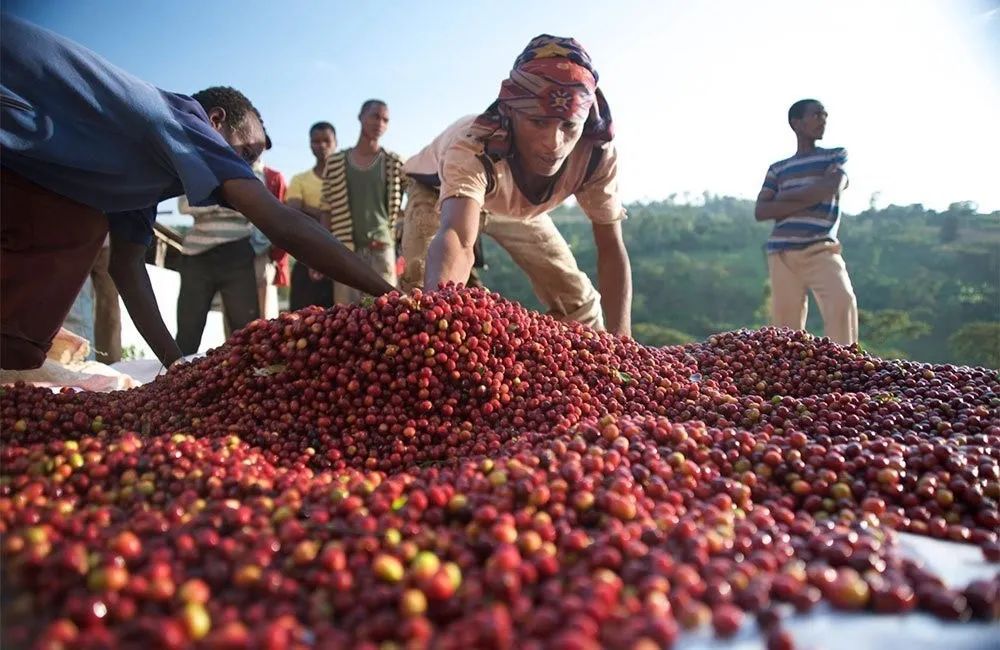
The Buku Abel washing station is located in Buku Abel village at an altitude of about 2,200 meters. The coffee trees in this area grow in nutrient-rich reddish-brown soil and enjoy moderate shade, allowing the coffee cherries to fully accumulate flavor compounds during ripening while avoiding excessive nutrient depletion. During the harvest season from December to January each year, farmers select only fully ripe red cherries with a sugar content of 30 or above, all handpicked to ensure each cherry is in optimal condition. These cherries are then processed using African raised beds for natural drying, with strict control over layer thickness and constant turning to ensure even fermentation and drying, resulting in the unique sweetness and fruity notes of Huakui coffee.
It’s worth noting that before being named “Huakui,” this bean had only the English name “Hambella,” referring to the Hambella region. After its championship win in 2017, due to its winning aura, the bean was introduced to the Chinese market by a Beijing-based green coffee trader, who gave it the distinctly Eastern-flavored name “Huakui,” meaning “the queen of flowers, outshining all others.” It later appeared in Chinese coffee brewing competitions, where it defeated many entries using Geisha and secured second place, further solidifying its market position.
With rising market demand, DW Company expanded its coffee drying and processing stations in Hambella Wamena Wereda, including five stations such as Buku Abel, all located in the core producing area of Dimtu town. In addition to the original Buku Abel, villages such as Buku Saysay, Haro Soresa, Tirtiro Goye, and Seke Bokosa also began producing natural-processed coffee. It is reported that DW Company now produces tens of millions of tons of “Huakui”-grade natural beans annually.
However, since 2018, due to changes in climate, processing conditions, or bean sources, subsequent batches of “Huakui” have shown slight differences in flavor compared to the original, particularly in terms of body and aftertaste. To distinguish products from different years, domestic traders adopted an X.0 naming system — for example, 2018 was called “Huakui 2.0,” 2019 was “Huakui 3.0/3.1,” and so on, up to the latest “Huakui 7.0,” allowing consumers to identify batches and flavor profiles by their numbering.
The variety of Huakui coffee belongs to Ethiopia’s native Heirloom, a highly diverse group of varieties. Due to the large number of varieties and the lack of comprehensive public classification information by the government, these beans often vary in size and appear more mixed in appearance. During the processing of this new-season lot, a higher moisture content was observed, leading to an extended dehydration phase during roasting to ensure even heating of both the bean surface and core. A medium-light roast level was chosen to highlight its floral-fruity aromas, acidity, and sweetness.
In terms of roasting parameters, the Yangjia 800N machine was used, with a charge of 480g. The initial drum temperature was set to 175°C, with the fan at level 3 and the heat at 120. When the temperature reached 140°C, the fan was adjusted to level 4. At around 6 minutes, the bean surface turned yellow and the grassy taste disappeared, indicating that dehydration was complete. Subsequently, at approximately 9 minutes and 50 seconds, first crack occurred. The fan was then fully opened, and the heat reduced to 80. The first crack development time lasted about 1 minute and 40 seconds, and the beans were dropped at 196°C. This roasting curve helps bring out the bright fruit acidity and rich aromas of Huakui coffee.
Cupping results show that this coffee performs best within 8 to 24 hours after roasting. Using a 200ml ceramic cupping bowl, the water temperature was controlled at 94°C, with a grind size passing 70%-75% through a #20 sieve, and a brew ratio of 1:18.18 (11g coffee to 200ml water), with an extraction time of about 4 minutes. During cupping, distinct citrus and dried berry aromas were detected, while the wet aroma presented notes of blackcurrant and rose. Upon tasting, flavors of almond, strawberry, and blackcurrant emerged, accompanied by moderate fermentation character and a lasting sweetness.
If you’d like to brew this Huakui natural-processed coffee at home, it is recommended to use a V60 #01 filter, with water temperature at 90-91°C, 15g of coffee, a brew ratio of 1:15, and a medium-fine grind (similar to the size of fine sugar, 20# sieve to 77%). For the brewing method, start by wetting the filter and preheating the equipment. Use 30g of water for a 30-second bloom, then pour in small circles to reach 125g for the first pour. When the water level is about to expose the coffee bed, continue pouring to 225g. Then wait for the water level to drop before removing the V60. The total brew time is approximately 2 minutes and 5 seconds. These parameters will fully showcase the layers and flavor characteristics of Huakui coffee.
The above content is compiled by CoffeeHunters, a coffee news website.


