







Introduction:Want to understand why honey-processed coffee boasts unforgettable sweetness and fruity aromas? This article delves into the origins and evolution of the honey processing method, unveils how Costa Rica has elevated this technique to the pinnacle of specialty coffee, and breaks down the differences and flavor profiles of black honey, red honey, yellow honey, and white honey. It also provides tested Geisha pour over parameters to help you brew a captivating cup at home with flavors of purple grapes, roses, and citrus.
When it comes to coffee with pronounced sweetness, many people first think of natural and honey processes. Honey-processed coffee, with its intense fruitiness and high sweetness, has become a top choice for many coffee enthusiasts. In the specialty coffee market, Costa Rica’s honey processing techniques are particularly outstanding, bringing out the natural sweetness and rich layers of coffee beans to the fullest.
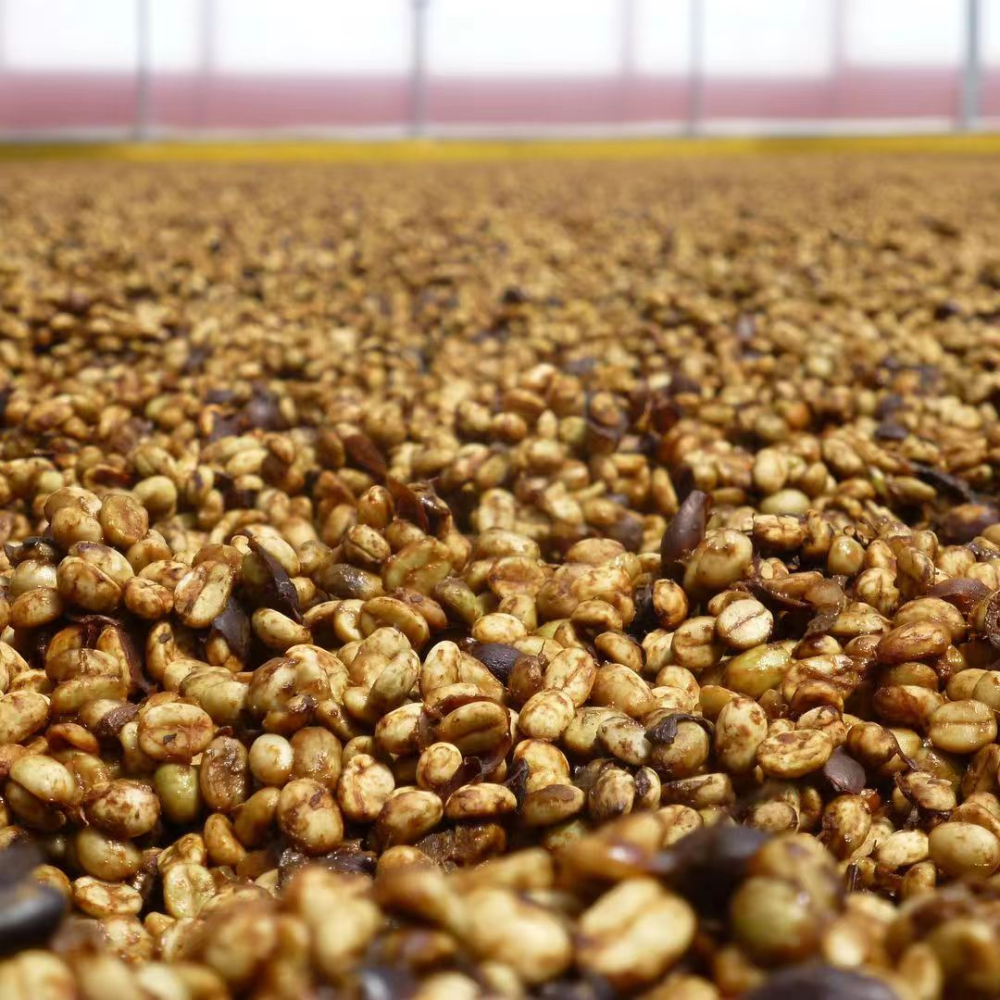
The honey process, known in English as Honey Process or sometimes Miel Process, derives the term “honey” from the Spanish word “Miel,” meaning honey. Interestingly, the name doesn’t come from adding actual honey, but rather from the sticky, highly sugary mucilage layer found in the coffee fruit. This method can be traced back to Costa Rica and was originally an innovative approach to producing high-quality coffee despite limited water resources.
As early as the second half of the 20th century, Costa Rica was already a leader in washed processing technology, boasting advanced depulping equipment and wet processing facilities. However, between 1997 and 2000, as international coffee prices continued to decline, many farmers began processing their own coffee instead of relying entirely on large processing plants, which gave them more room for experimentation. Against this backdrop, the practice of drying coffee with the mucilage still intact gradually gained popularity.
In 2006, a farmer named Juan Ramón Alvarado entered two honey-processed coffees into the SCAA’s Costa Rica GOLDEN HARVEST green bean competition, winning first and second place respectively. The following year, this processing method shone even brighter at the first-ever Costa Rica CoE (Cup of Excellence), where three out of the top five coffees were honey processed.
In 2008, Costa Rica experienced a major earthquake that caused power outages and water shortages in many areas, prompting local farmers to turn to more water-efficient processing methods. Although initially many worried that drying with mucilage would lead to uncontrolled fermentation, practical testing revealed that this method not only saved significant amounts of water but also produced richer and more fascinating flavors, leading to its gradual adoption. To distinguish different flavor profiles, the industry began using the terms black honey, red honey, yellow honey, and white honey, primarily based on the amount of mucilage retained and the drying method.
Generally speaking, the more mucilage retained and the slower the drying process—typically done at lower temperatures and in shaded conditions—the stronger the sweetness and more pronounced the fermentation flavors, as seen in black honey and red honey. In contrast, those with more mucilage removed and faster drying times, such as white honey and yellow honey, tend to be closer to washed profiles, with a cleaner and crisper sweetness. However, these classifications still lack a unified standard and often vary by producer—even the same term can represent vastly different processing levels across farms.
The drying time for honey processing generally ranges from two to four weeks, longer than washed but shorter than natural. Its flavor profile sits between the bold fruitiness of natural and the clean acidity of washed, often exhibiting rich dried fruit sweetness, delicate floral aromas, and bright acidity, with a clean mouthfeel and layered complexity. Additionally, honey processing typically saves about 40% of freshwater compared to washed, making it more environmentally friendly, while also reducing the risk of defective flavors caused by overexposure to the sun. As a result, it has rapidly developed in recent years across Central and South America and is highly favored in the specialty coffee market.
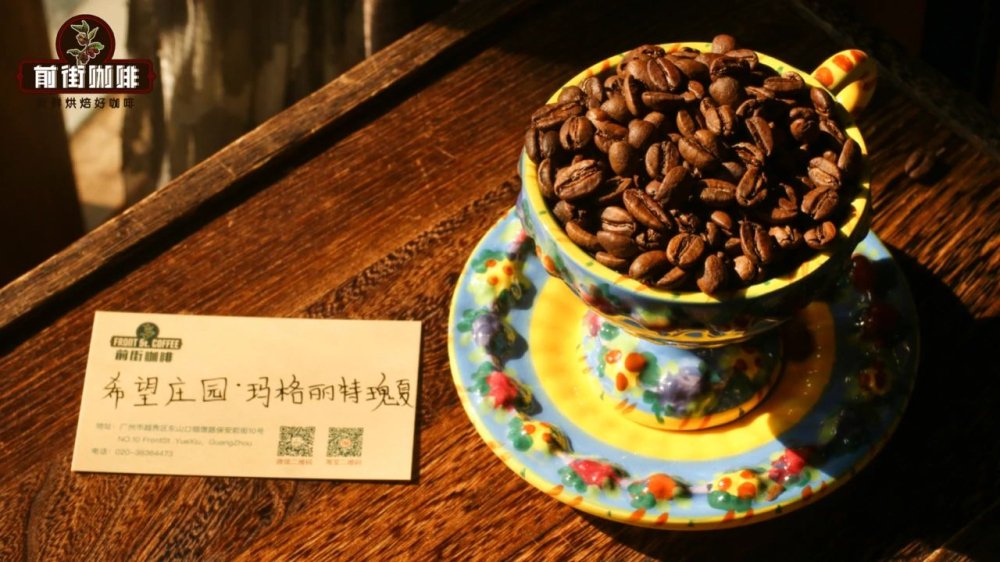
Next, let’s take a look at the actual brewing performance of a classic honey-processed Geisha. Take the Geisha from Colombia’s Hope Estate as an example—this bean is honey processed and showcases highly representative flavors of purple grapes, rose floral notes, and lively citrus acidity, with ample sweetness and a long-lasting finish.
Recommended pour over parameters are as follows: a 1:15 coffee-to-water ratio, grind size suggested to be between fine and white sugar (around BG 6K or equivalent), with water temperature controlled between 90–92°C. Use a pulse pouring method—start with a 30-second pre-infusion of 30 grams of water, then pour in stages up to a total of 225 grams, aiming for a total brew time between 2 minutes 30 seconds and 3 minutes. These parameters help fully highlight the bean’s fruitiness and sweetness while maintaining bright acidity and balanced mouthfeel.
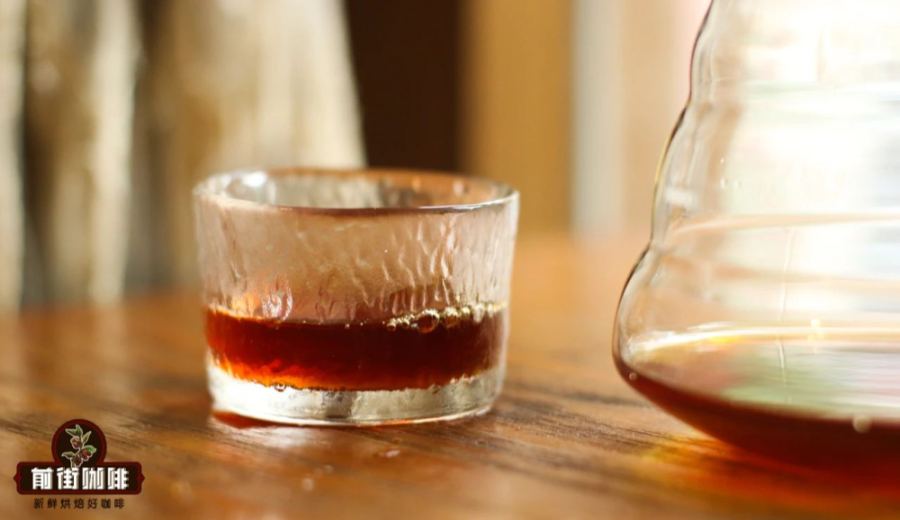
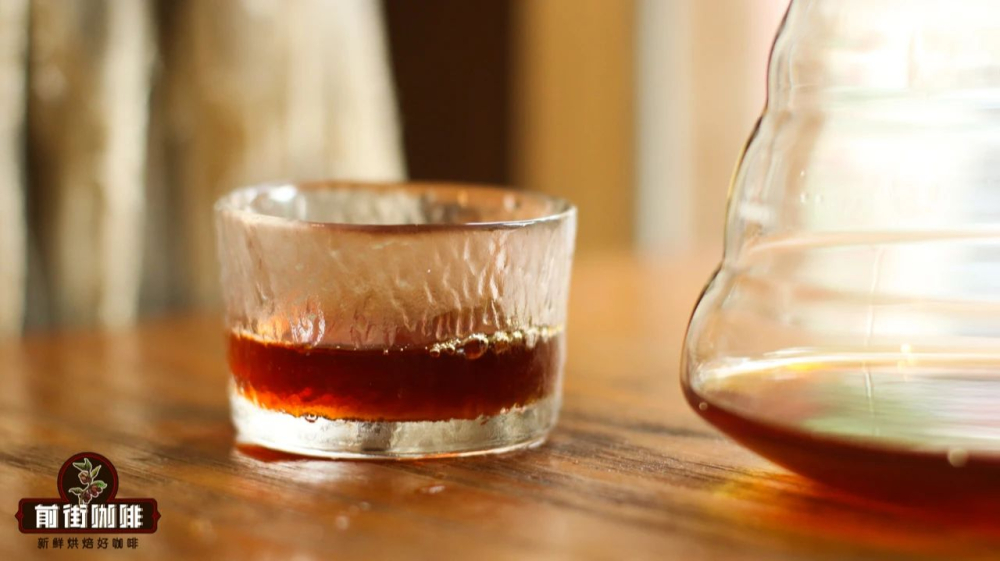
Brewed with these parameters, the Hope Estate Geisha delivers a cup that immediately impresses with a full-bodied purple grape juice character, accompanied by elegant and delicate rose floral aromas. The acidity is vibrant yet gentle, with a finish that offers distinct sweetness and citrus notes. The overall flavor is clear, layered, and truly representative of high-quality honey-processed specialty coffee.
The above content is compiled by CoffeeHunters, a coffee news website.


