







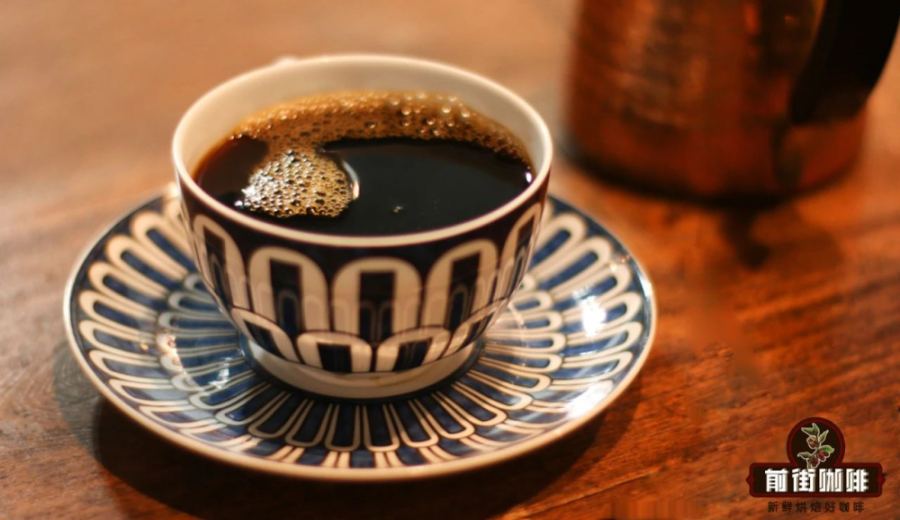
Introduction:Gold Mandheling is renowned for its rich body and captivating caramel aftertaste, making it a classic favorite among many coffee enthusiasts. This article delves into the origin story of this well-known bean variety from Indonesia’s Sumatra, explores the unique characteristics of the wet-hulled processing method, and details key practical steps from roasting dehydration and first crack control to achieving balanced flavors. It also provides professional pour over recommendations, helping you extract a balanced and layered coffee experience using the KONO filter and appropriate water temperature. Whether you're new to roasting or a pour over enthusiast, you’ll gain valuable technical insights.
With its full-bodied texture and pronounced caramel sweetness, Gold Mandheling has become a classic choice for many coffee lovers. This coffee from the Lintong region of Sumatra, Indonesia, is typically dark roasted to highlight its distinctive character. However, to truly unlock its potential, every step—from green bean processing and roasting rhythm to pour over extraction—is crucial.
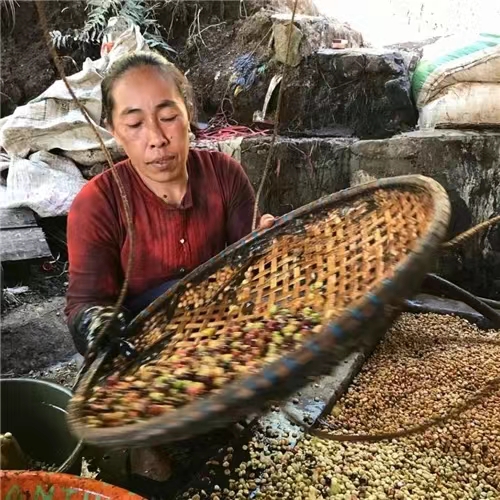
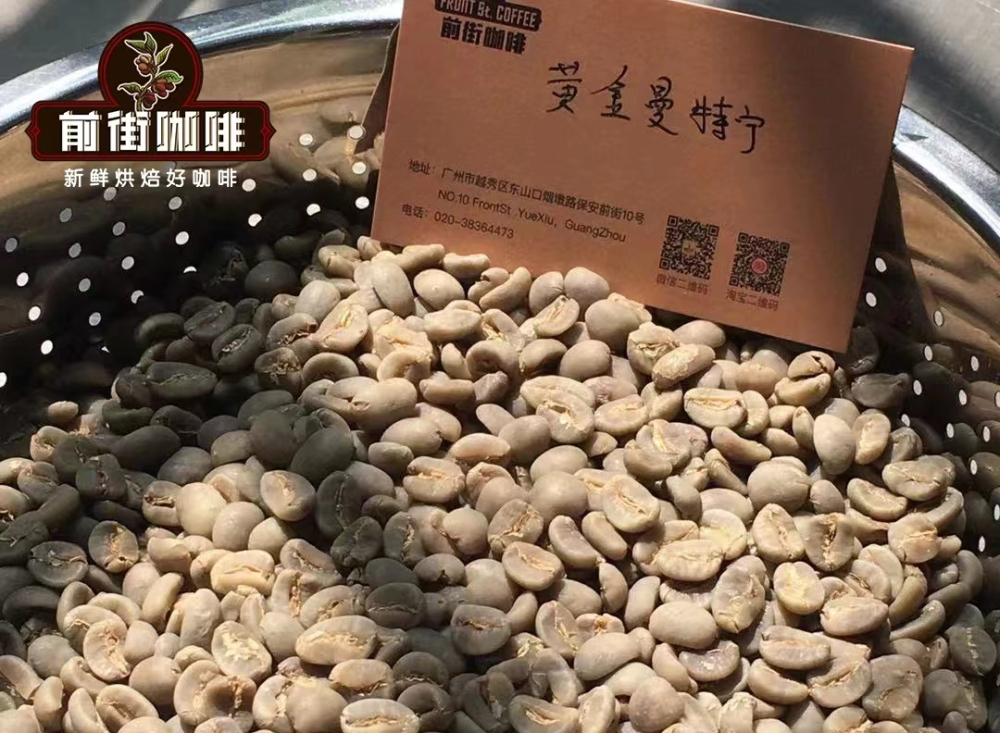
The green beans of Gold Mandheling come from the Lintong area in northern Sumatra, Indonesia, grown at altitudes of about 1100 to 1600 meters. The region’s humid climate leads to the widespread use of the wet-hulled process to accelerate drying. During harvest, farmers handpick only ripe coffee cherries to ensure raw material quality. The cherries then undergo in-tank dry fermentation, allowing the natural sugars in the mucilage to fully convert and further enhance flavor complexity. Fermentation time is generally controlled between 12 to 36 hours, adjusted slightly depending on weather and batch conditions. After fermentation, the coffee is sun-dried for one to two days. When moisture content drops to 35%–40%, a hulling machine removes the parchment layer, and drying continues until the moisture stabilizes around 12%–15%.

Because wet-hulled green beans typically have higher moisture content compared to regular sun-dried beans, extra attention is needed during the dehydration stage of roasting. It’s recommended to close the air vent for about 30 seconds immediately after loading the beans to allow for a pre-steaming phase. Once the bean surface gradually turns light green or white, adjust the air vent to level 3. As dehydration progresses and the bean color visibly lightens, increase the air vent to level 4. Continue until the first crack ends, then open the air vent fully (to level 5), ensuring the beans are evenly heated from the inside out for a thorough roast that brings out optimal flavors.
A core aspect of roasting Gold Mandheling lies in mastering the caramelization process. This usually begins around the six to seven-minute mark when the beans absorb substantial heat, triggering pyrolysis reactions that release carbon dioxide and steam along with the first crack. At this stage, sugars gradually transform and interact with various acidic compounds and aromatic substances such as niacin, citric acid, quinic acid, malic acid, acetic acid, and caffeine, forming rich coffee oils and a diverse aromatic profile.
However, as roasting time extends, improper temperature control may cause some substances to start carbonizing, leading to undesirable astringency, burnt bitterness, or even tire-like off-flavors. Therefore, the key is to achieve optimal caramelization while minimizing carbonization risks to maintain the coffee’s purity and layered profile.
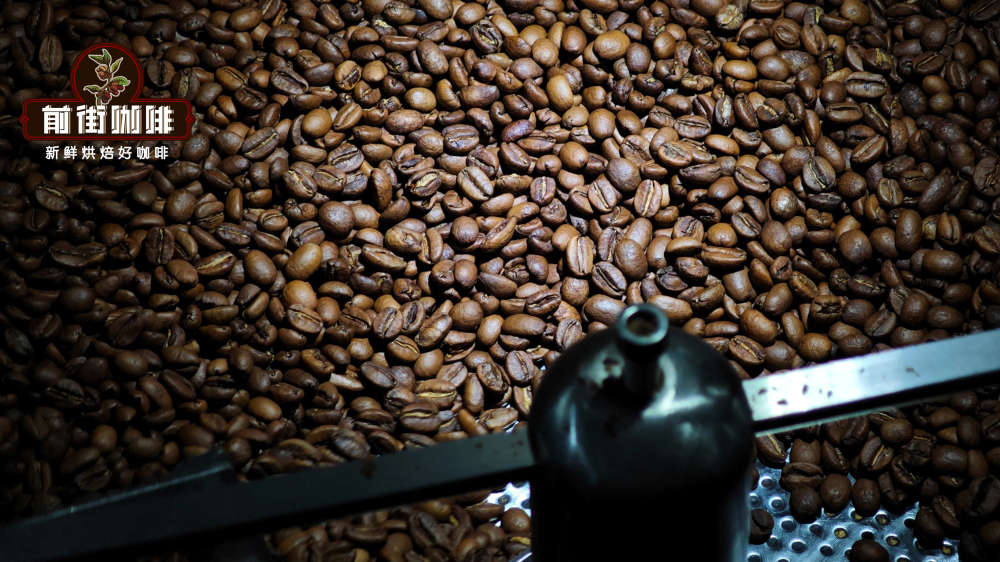
In actual roasting, it’s advised to load the green beans when the roaster reaches 200°C, with the air vent set to 3. After about one minute, reduce the heat to 160°C while keeping the air vent unchanged. Around 5 minutes and 40 seconds, when the temperature drops to 148°C and the bean surface turns yellow with all grassy notes dissipated, dehydration is complete. At this point, lower the heat to 140°C and adjust the air vent to 4. Continue roasting until 9 minutes and 40 seconds, when the bean surface starts showing clear wrinkles and dark spots, and the aroma transitions from toasted bread to intense coffee fragrance—this marks the critical phase just before first crack. At 9 minutes and 54 seconds when first crack begins, it’s recommended to reduce the heat to 60°C and fully open the air vent (note: adjust heat cautiously to avoid extinguishing the crack). The roast is typically dropped at 204.5°C, usually at the dense-to-ending phase of first crack, preserving rich sweetness and a full-bodied flavor.
Gold Mandheling has a distinct flavor profile: prominent herbal notes paired with a strong caramel sweetness, stable and elegant acidity, a full yet balanced sweetness, and rich yet layered spice tones. Compared to the common practice of roasting other Lintong Mandhelings through second crack, Gold Mandheling can exhibit excellent clarity and sweetness at the tail end or just after first crack, offering roasters more room for flavor interpretation.
For brewing, it’s recommended to use freshly roasted beans to fully experience their complete flavor expression. Generally, beans within five days of roasting offer the best flavor, which is also the suggested drinking window recommended by many professional roasters. Due to its dark roast, Gold Mandheling has a relatively loose bean structure and high water absorption after grinding. Using excessively high water temperatures or too fine a grind can easily release excessive bitter and astringent compounds, so it’s advisable to use a slightly coarser grind and relatively lower water temperature for pour over.
In practice, a common powder-to-water ratio is 1:15; if a stronger flavor is preferred, it can be adjusted to 1:13 based on personal taste. The KONO filter is recommended for its design, where the ribs are mainly located in the lower half to guide coffee liquid flow, while the upper part fits tightly with the filter paper to slow down vapor release, resulting in more thorough extraction and a richer, fuller-bodied coffee taste.
For specific brewing, it’s suggested to use an 88°C water temperature with a three-stage extraction: the first stage involves pouring 30ml of hot water for a 30-second bloom; the second stage pours 100ml in a circular motion from the center outward; the final stage similarly pours 95ml in a center-outward circular motion. This technique helps achieve even extraction, highlighting the coffee’s full-bodied and balanced characteristics.
The final brewed Gold Mandheling reveals a multi-layered flavor structure: intense nutty and caramel aromas intertwined with chocolate notes, a long-lasting aftertaste, and outstanding balance. It’s a classic bean variety worth savoring and ideal for repeated practice in both roasting and extraction techniques.
The above content is compiled by CoffeeHunters, a coffee news website.


