







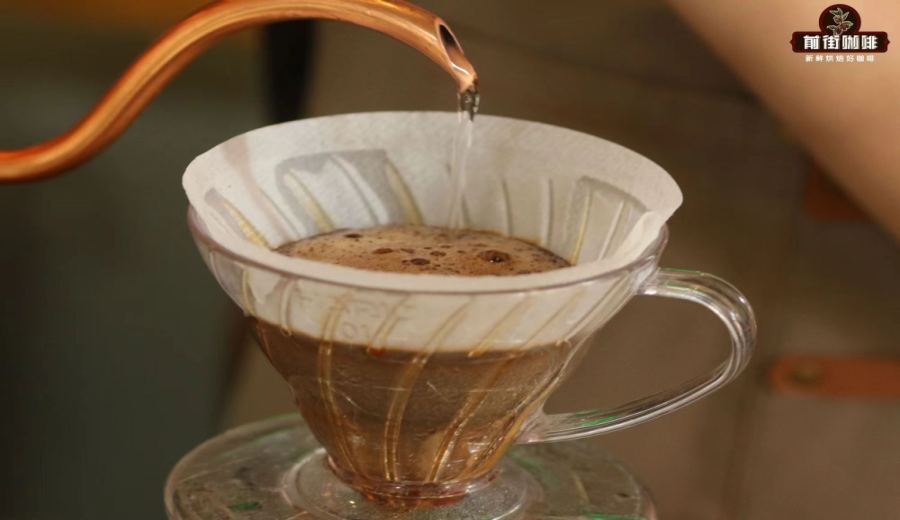
Introduction:Want to understand the true performance of Yunnan small-grain coffee in pour over brewing? This article delves into the background of Yunnan’s main cultivated variety, Catimor, including its origins, the characteristics of its climate-adapted growing regions, and the impact of washed processing on its flavor. It also provides practical pour over recommendations on parameters such as temperature, grind size, and pouring technique, helping you bring out notes of nuts, chocolate, and herbs—suitable for both beginners and advanced enthusiasts.
The charm of pour over coffee lies in its ability to showcase diverse flavor profiles by adjusting water temperature, grind size, and brewing rhythm. So, what kind of flavor profile will emerge when we present Yunnan’s locally predominant Catimor variety through pour over? Before diving into the actual brewing, let’s comprehensively understand this Yunnan small-grain coffee—which features notes of nuts, chocolate, and gentle acidity—by exploring its variety origins, terroir environment, and processing methods.
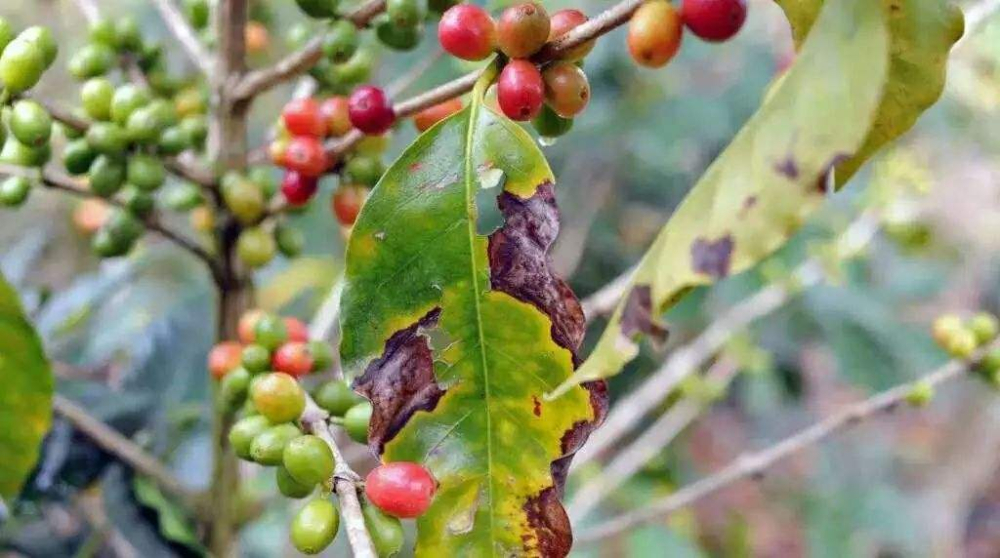
 Over 90% of the coffee produced in Yunnan is of the Catimor variety. Catimor is a hybrid of Timor and Caturra, with Timor itself carrying Robusta genes. This gives Catimor excellent disease resistance and high yield, but also limits its flavor complexity. If not processed properly, it can easily exhibit herbal, woody, or overly bitter flavors.
Looking back at Catimor’s creation, it originated from the global threat of coffee leaf rust in the mid-20th century. Coffee leaf rust first appeared in East Africa in 1861, then quickly spread to coffee-growing regions across Asia and Africa, causing devastating damage to local Arabica varieties. To find a solution that combined disease resistance with decent flavor, a Portuguese coffee research institute successfully bred Catimor in 1959. This variety not only has strong resistance to pests and diseases, but also ripens quickly and offers high yields per unit, making it an alternative choice for many coffee-growing regions.
In the early days, Yunnan mainly introduced traditional Arabica varieties such as Typica, but due to their weak disease resistance, susceptibility to coffee leaf rust, and lack of competitive yield, they were gradually phased out. In 1992, Nestlé introduced Catimor to Yunnan. Due to its strong adaptability and low management costs, it quickly became the dominant cultivar. Nowadays, the commonly heard term “Yunnan small-grain” mostly refers to Catimor grown in the Baoshan area.
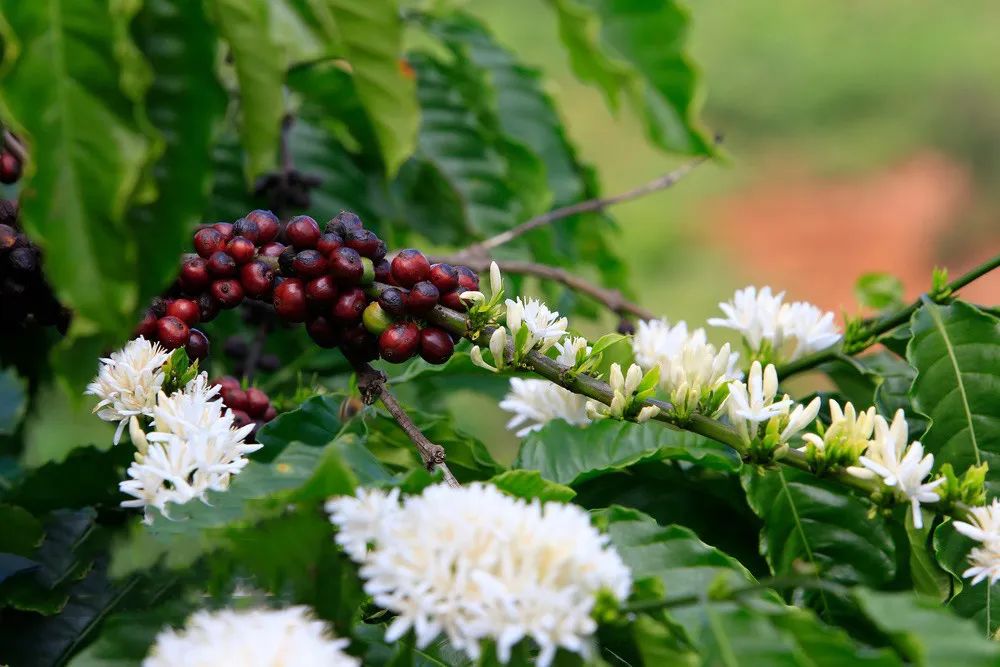 When it comes to Yunnan coffee-growing regions, Baoshan is a name that cannot be overlooked. As early as 1952, large-scale coffee cultivation began there, accumulating over half a century of cultivation experience, and it was once honored as the “best coffee-growing region in Asia.” Located in a low-latitude plateau zone with diverse terrain, Baoshan enjoys a low-latitude mountainous subtropical monsoon climate, featuring large day-night temperature variations throughout the year, with an average annual temperature between 14–17°C and annual rainfall of about 700–2100 mm. Though unevenly distributed, the overall moderate rainfall creates unique microclimatic conditions that give Baoshan coffee a distinct sweet aftertaste—a major highlight of its flavor.
The coffee harvest season in Yunnan mostly falls during the rainy season, making traditional sun-drying processing difficult. Prolonged sun exposure is hard to control, often leading to uneven fermentation or mold risks. Therefore, most coffee farmers opt for washed processing to ensure stable quality of green beans.
The steps of washed processing are roughly as follows: first, the outer skin and pulp of the coffee cherry are mechanically removed, then the mucilage-covered beans are placed in a fermentation tank where microbial action breaks down the pulp layer. Once the mucilage softens, it is thoroughly rinsed with clean water multiple times to remove residues. Finally, the beans are evenly spread out and sun-dried for 1–2 weeks. This processing method retains the coffee’s clean tonality, reduces impurities and off-flavors, results in clearer acidity, and delivers a more stable and consistent overall flavor.
 For pour over brewing of Yunnan Catimor, it is recommended to choose beans with a medium roast level, which can bring out a rich coffee aroma and moderate acidity, and should be consumed within 4–7 days after roasting. This period is considered the optimal flavor window for these beans. If left too long, the aroma may noticeably fade, or even develop woody tones, affecting the overall drinking experience.
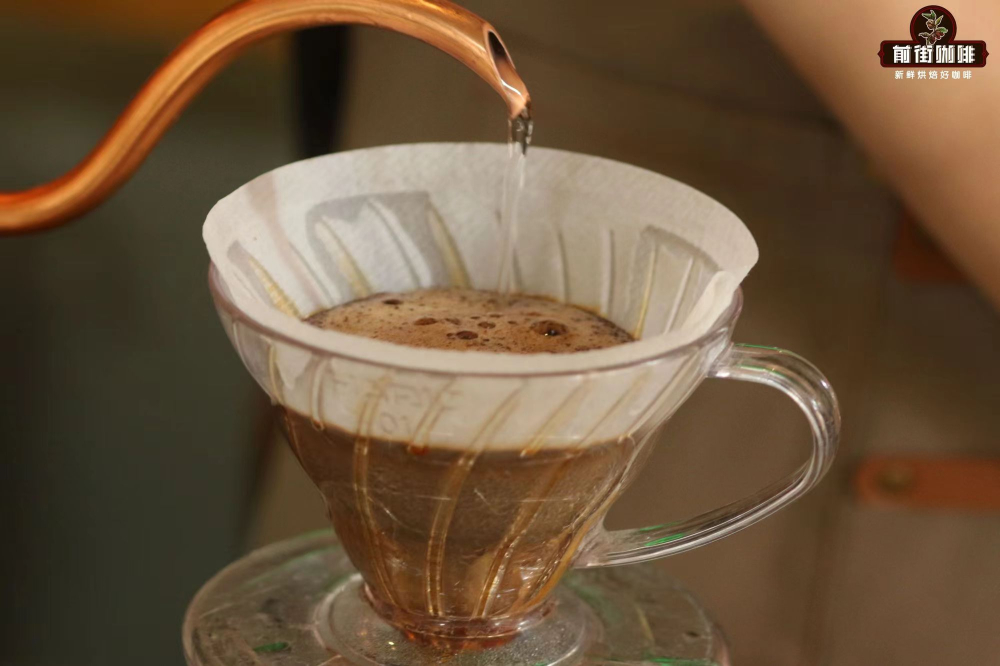
In terms of equipment and parameter settings, the V60 dripper is a highly suitable choice. Pair it with a medium-fine grind (recommended to have about 75% passing through a #20 sieve), along with a water temperature of 90°C, to balance extraction rate and avoid over- or under-extraction. For actual brewing, a three-pour method is recommended: start with hot water at twice the coffee dose (about 30 grams) for the bloom, lasting 30 seconds, to allow the coffee grounds to fully expand. Then, pour with a small stream in a circular motion from the center outward, accumulating to 125 grams for the first pour, then wait for the water level to drop to the middle of the dripper before continuing to pour up to a total of 225 grams. The whole process should be completed within approximately 2 minutes.
Coffee brewed using the above method for Yunnan Catimor often presents pronounced nutty aromas, with a smooth entry of herbal and chocolatey notes, and a finish accompanied by subtle caramel and mild fruity acidity. The overall flavor profile is clear, with a refreshing taste and high cleanliness, making it highly suitable for coffee lovers who enjoy balanced expressions.
The above content is compiled by CoffeeHunters, a coffee news website.


