







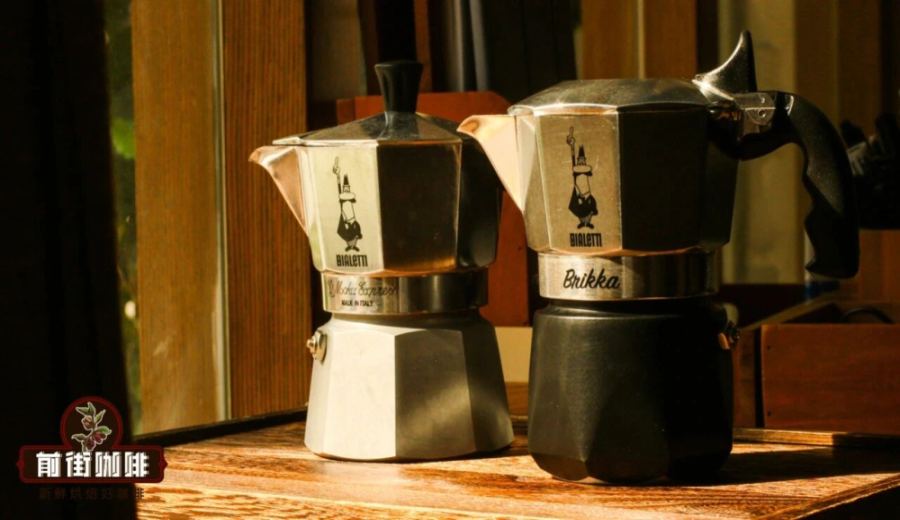
Introduction:After using a moka pot for some time, it’s common to notice localized blackening or mysterious spots on the body—often due to improper cleaning. Proper maintenance not only extends the life of the pot but also preserves the purity of your coffee’s flavor. This article details the differences in daily cleaning between aluminum and stainless steel moka pots, key points for rust prevention, and how to effectively restore an oxidized or blackened pot body—ensuring every cup of espresso you brew retains its original richness.
The moka pot is a daily brewing tool for many coffee enthusiasts, but with increased usage, the pot body can easily develop localized oxidation, black spots, or off odors—often stemming from neglect in cleaning and maintenance. Many focus on brewing techniques while overlooking that post-brew cleaning and care are equally vital. With proper upkeep, a moka pot can even accompany you for years, continuously producing espresso with outstanding flavor.
Moka pots on the market are mainly divided into two types: aluminum and stainless steel. These two materials have significant differences in properties, hence their cleaning and care methods also vary greatly. While aluminum pots are lightweight and excellent at heat conduction, they are highly prone to reacting with alkaline components or chlorine in cleaning agents—leading to corrosion and oxidation. Over time, this not only darkens the pot body but may also absorb detergent odors, affecting the taste of the coffee. Stainless steel pots, on the other hand, offer stronger corrosion resistance, but care must still be taken during cleaning to avoid damaging the sealing gasket.
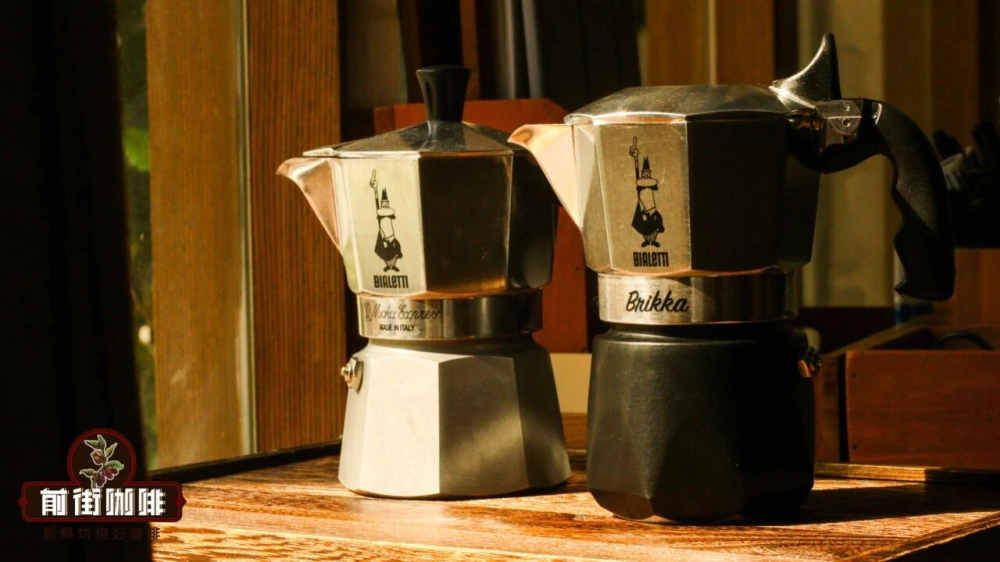
After daily use, many users habitually wash the moka pot quickly with dish soap—but this actually poses risks for aluminum pots. It is recommended to avoid using any detergent when cleaning an aluminum moka pot, and simply rinse it with water instead—to prevent alkaline substances or chlorine components from corroding the pot body. In contrast, stainless steel moka pots can be cleaned with a mild dish soap, but be sure to avoid the rubber or silicone gasket parts, as detergent can accelerate the aging of these components, leading to future sealing issues or leaks.
Additionally, regardless of the material, you should avoid using abrasive cleaning tools like steel wool or scrubbing pads when cleaning a moka pot. These tools can easily scratch the surface of the pot—not only affecting its appearance but also damaging the protective layer and worsening oxidation. The correct approach is to use a sponge or soft cloth to gently remove coffee residue and oil stains. After cleaning, ensure all parts are thoroughly dried before reassembling to prevent residual moisture from causing further oxidation or rust.
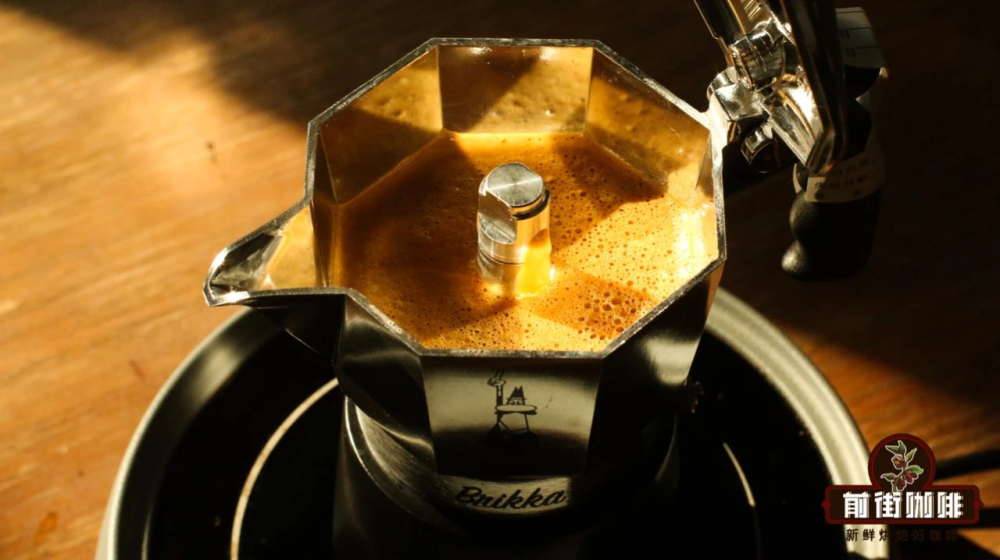
If your moka pot has developed obvious black oxidation layers or spots due to improper cleaning or prolonged lack of drying, there’s no need to worry too much. In fact, many moka pots are made from food-grade aluminum alloy, and normal use-induced oxidation is generally not harmful to health. But if the appearance changes affect your user experience, you can try the “natural deoxidation method”: dilute white vinegar or lemon juice in a 1:1 ratio with water, then soak the blackened areas for about an hour. This acidic solution helps dissolve surface oxides. After soaking, wipe with a soft cloth, rinse with water, and thoroughly dry—which usually effectively lightens the blackened marks.
It’s worth noting that some users may prefer using baking soda or professional metal cleaners, but such products—if not food-grade or safe for aluminum—can still cause secondary damage to the pot body, so it’s advisable to evaluate carefully. Also, the rubber components of the moka pot, such as gaskets and washers, must not be in prolonged contact with high-concentration cleaning solutions, otherwise they may harden or deform—impacting future sealing effectiveness and safety.
Beyond cleaning and repair, daily maintenance habits are key to extending the life of your moka pot. After each use, it’s recommended to disassemble and clean it promptly to prevent coffee grounds and residual oils from drying and sticking. Also, ensure the pot body is completely dry before storing—especially aluminum pots, which can easily oxidize even with brief storage in slightly humid environments. For long-term non-use, consider placing a sheet of food-grade moisture-proof paper inside the pot to help absorb moisture and reduce rusting risks.
In summary, whether your moka pot can consistently brew delicious espresso over the long term is inseparable from your daily cleaning and maintenance habits. Whether you use a classic aluminum model or a durable stainless steel version—as long as you master the correct cleaning procedures, avoid common mistakes, and address oxidation issues in a timely manner—you can keep this pot by your side to brew cup after cup of richly flavored espresso, with flavor remaining consistently excellent.
The above content is compiled by CoffeeHunters, a coffee news website.


