







Introduction:The coffee-to-water ratio is the soul parameter of pour over coffee, directly influencing both concentration and flavor expression. This article delves into how the golden range from 1:15 to 1:18 shapes different flavor profiles, and provides a detailed three-stage pouring scheme for 15 grams of coffee grounds. From fundamental principles to practical adjustments, it helps you find the optimal extraction balance point based on the characteristics of the coffee bean variety.
In the world of pour over coffee, the coffee-to-water ratio is the most basic yet most critical variable. This seemingly simple numerical proportion actually governs the coffee’s concentration curve and extraction efficiency. The 1:18 ratio once recommended by the Specialty Coffee Association of America served as an industry reference standard, but with the global advancement in specialty coffee processing techniques, modern pour over practitioners need to apply this parameter more flexibly.
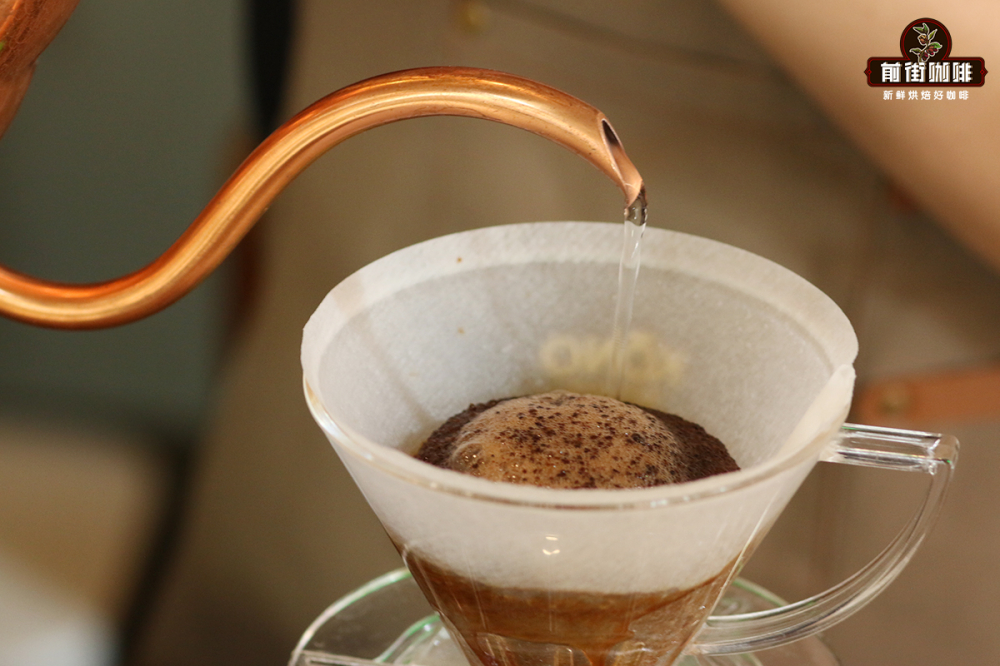
The so-called coffee-to-water ratio refers to the correspondence between a given amount of coffee grounds and the total volume of water poured. Taking the common example of 15 grams of coffee, a 1:15 ratio requires 225 milliliters of hot water, while loosening to a 1:18 ratio expands that to 270 milliliters. This ratio not only determines the strength or lightness of the final cup, but also subtly regulates the release rhythm of flavor compounds — a concentrated ratio enhances body and richness, while a diluted one helps highlight acidity layers and aroma diffusion.
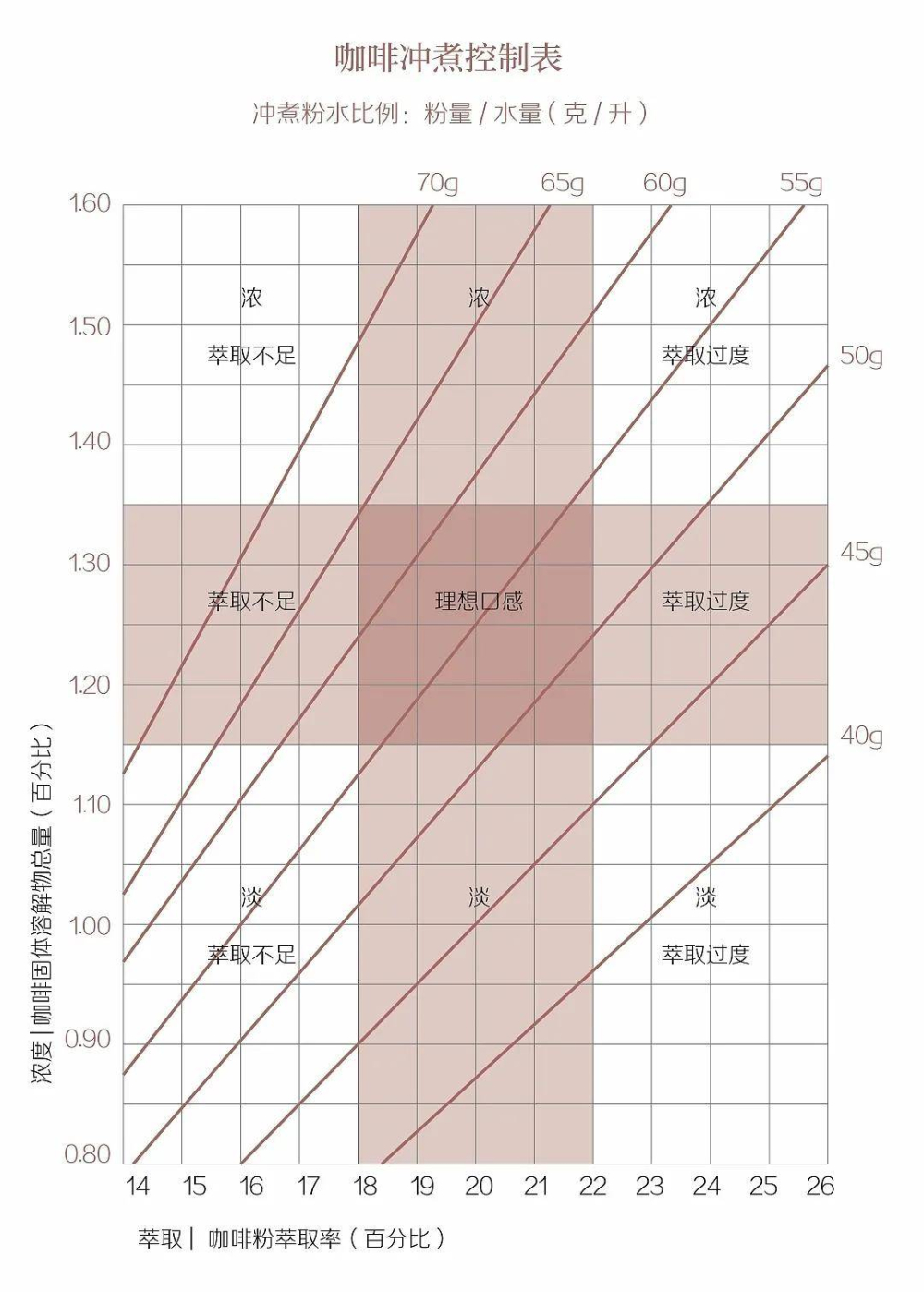
In practical operation, it is recommended that beginners start within the 1:15 to 1:16 range. This scope effectively balances extraction yield and concentration performance, making it suitable for most medium to light roasted beans. When working with fruit-forward naturally processed beans, you can try a looser ratio such as 1:16 or even 1:17, allowing bright citric acidity or tropical fruit notes to unfold more freely; conversely, if you prefer rich nutty or chocolatey flavors, tightening to around 1:15 can enhance the structural texture of the cup.
It is worth noting that the choice of coffee-to-water ratio needs to work synergistically with grind size and water temperature. Taking a typical combination of 15 grams of coffee as an example: using a medium-fine grind (approximately 78% passing through a #20 sieve) with water at 92–93°C, a 1:15 ratio can achieve ideal extraction within two minutes; if switching to a loose 1:18 ratio, you’ll need to correspondingly extend the pouring time or slightly adjust the grind coarseness to avoid overly concentrated extraction that leads to sharp bitterness.
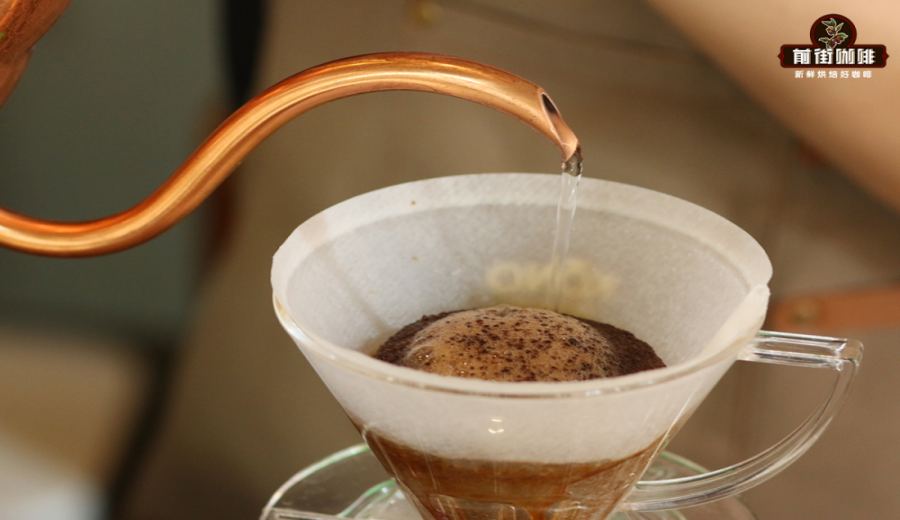
For practical application with 15 grams of coffee grounds, it is recommended to use a three-stage pouring method to optimize flavor extraction. The first stage involves pouring 30 milliliters of hot water for a 30-second bloom, during which all coffee grounds must be evenly wetted to initiate enzymatic reactions. Then, continue with a medium flow rate to pour 95 milliliters (cumulative 125 milliliters), observing the expansion of the coffee bed and maintaining a center-outward circular pouring path. The final stage pours 100 milliliters to reach a total of 225 milliliters (1:15 ratio), with attention to using a finer stream in the last stage to avoid disrupting the delicate structure of the fine coffee particles.
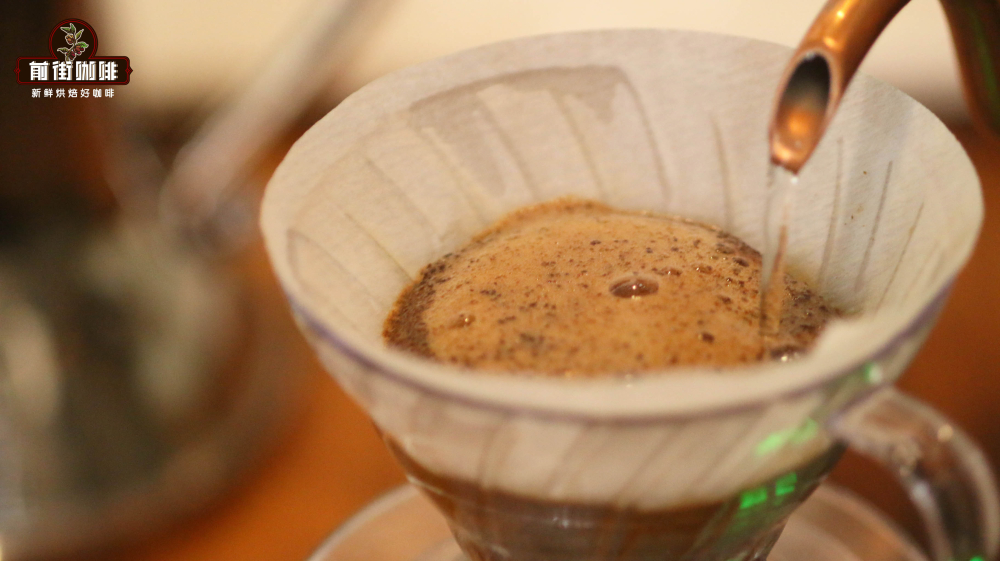
In terms of operational details, filter type and water quality should not be overlooked. V60-style spiral channel designs promote gas release, making them particularly suitable for African beans that emphasize acidity expression; if using a cloth filter like a flannel, it is recommended to tighten the coffee-to-water ratio to 1:14–1:15 to compensate for the material’s inherent flow rate differences. Additionally, it is advised to brew with filtered soft water to avoid mineral interference that could distort flavor perception.
Common pitfalls reminder: Over-pursuing extreme ratios (such as 1:20 or higher) may produce a light-tasting cup, but often comes with under-extracted grassy or raw bean flavors; whereas ratios below 1:13, being too concentrated, tend to accentuate over-extracted impurities. The ideal state should be a coffee that presents a clear color and balanced flavor profile, with a clean and pure aftertaste free of off-notes.
The above content is compiled by CoffeeHunters, a coffee news website.


