







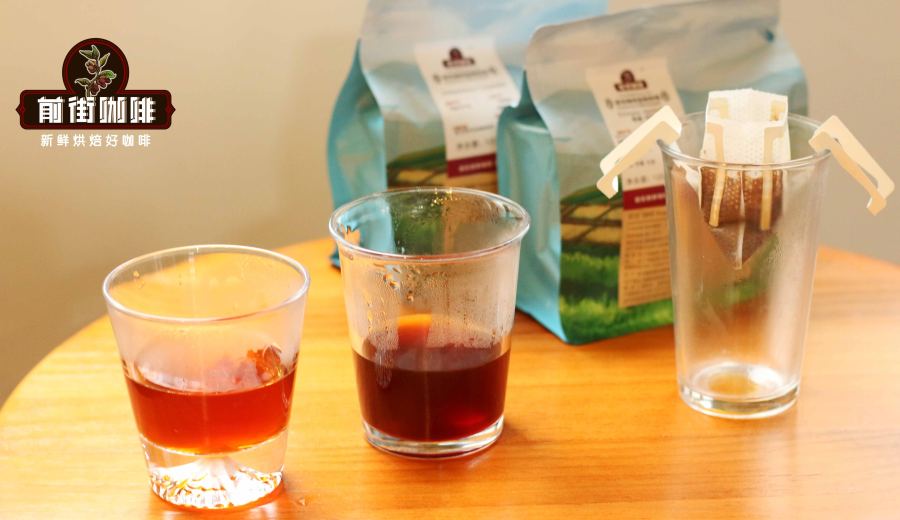
Introduction:Drip bags are the ideal choice between instant coffee and pour over, offering both convenience and full flavor. This article delves into the advantages of filter-bag brewing and selects three low-acidity drip bag coffees from numerous products, including Indonesian Golden Mandheling, Brazilian Cerrado Red Berries, and Yunnan Peaberry, to help readers find a drip bag that suits their taste.
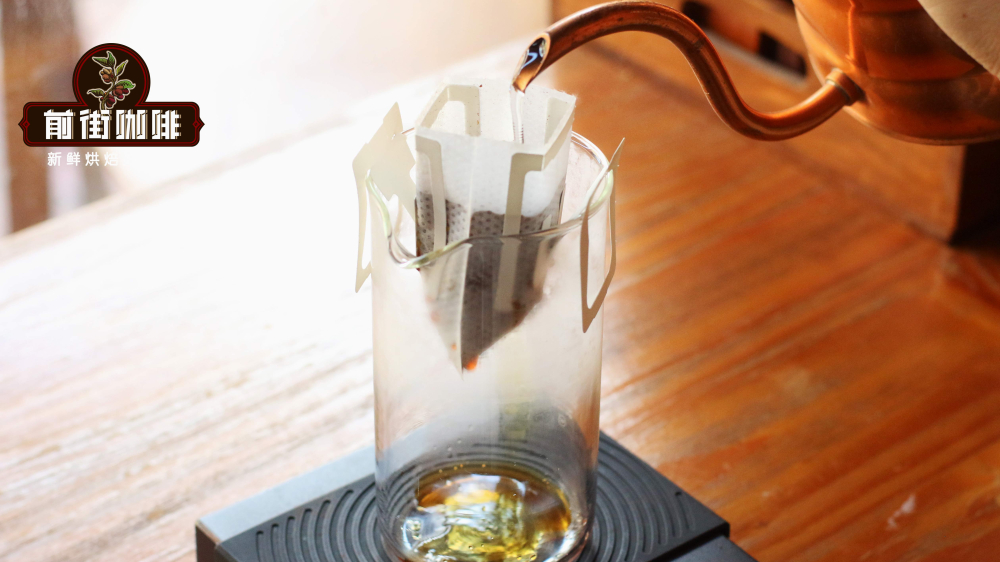
For coffee lovers who don’t want to settle for instant coffee but can’t grind fresh beans every day, drip bags offer the best of both worlds. These filter-bag coffees come with pre-ground coffee sealed in individual filter pouches. Simply tear open the package, attach the two side handles to the rim of your cup, and slowly pour hot water—coffee will drip through the filter paper into your cup. Just a few simple steps, and you can enjoy a freshly brewed black coffee.
Compared to traditional instant coffee, drip bags are typically made from roasted whole beans, resulting in richer aroma and more distinct layers of flavor. However, with many drip bag brands on the market and varying quality, it’s recommended to choose professional brands with a long-standing history and consistent roasting techniques to ensure flavor consistency and freshness.
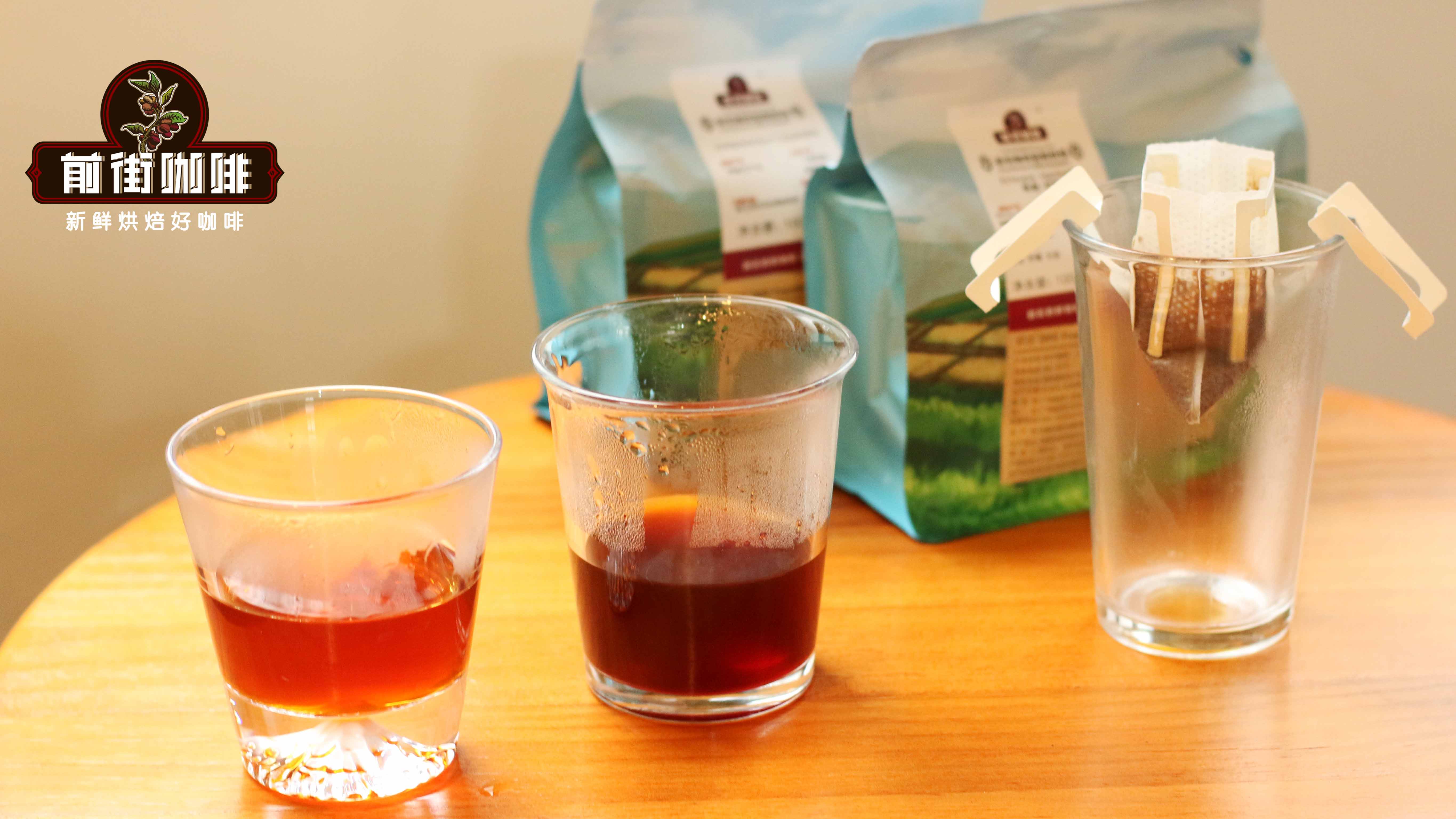
Although drip bags are very convenient to use, their price is generally higher than that of instant coffee powder. This is mainly because their ingredients are mostly high-quality roasted coffee beans, which retain more of the original flavor characteristics. In contrast, instant coffee undergoes multiple processing steps, often significantly compromising its flavor complexity.
If you’re looking for a drip bag coffee with stable quality, it’s advisable to choose a brand with years of experience and a focus on roasting craftsmanship. Such brands not only offer a wider range of flavors but also ensure the freshness of each batch of beans. It’s worth noting that some professional brands only ship fresh batches roasted within five days to maintain optimal flavor performance. For those who prefer coffee with less noticeable acidity, the following three popular low-acid drip bag products are especially recommended.
PWN Golden Mandheling Drip Bag Coffee
In recent years, the popularity of Mandheling coffee has continued to rise. Market sales data shows that the primary consumer base for this product was once concentrated in Shanghai, where taste preferences closely resemble those of Taiwanese consumers—both favoring a rich and bold flavor. Some Shanghai consumers have explicitly expressed a desire for Mandheling to be roasted even darker than the usual dark roast. As more people come to appreciate this unique flavor, there has been a notable increase in orders from Guangzhou recently.
The green beans for this PWN Golden Mandheling have a special origin—they are supplied by PWN, a well-known Indonesian company that was the first to collaborate with Japan in promoting Golden Mandheling and successfully registered the trademark. The most distinctive feature of this product is that it almost completely eliminates the off-flavors commonly found in traditional Mandheling: after undergoing three rigorous manual screening processes, each coffee bean is uniform in size, and the roasting color development is more stable, resulting in a clear and pure, richly mellow taste. Its flavor profile resembles the cooling herbal teas commonly found in Guangdong, which explains its wide acceptance among consumers in the Guangzhou area. Based on market feedback, this drip bag product has been specially launched to meet growing demand.
Brazilian Cerrado Red Berries Drip Bag Coffee
The cultivation history of Brazilian coffee beans dates back to 1720, when they were introduced from French Guiana. Notably, Brazil was a Portuguese colony at the time, while most other major South American countries were under Spanish rule, which explains why Portuguese is the dominant language in Brazil. Legend has it that Portuguese officers stationed in Brazil, aiming to bring coffee seeds from Guiana to Brazil (where the export of coffee seeds was strictly prohibited), managed to secure the assistance of the wife of the Governor of Guiana, ultimately allowing coffee to take root in Brazil.
Brazilian coffee beans have strong environmental adaptability, gradually expanding from the northern regions to the southeastern state of São Paulo. By 1845, Brazil accounted for 45% of the global coffee market share and remains the world’s largest coffee exporter to this day. Among various drip bag products, Brazilian beans are often recommended for beginners due to their stable regional flavor characteristics, especially in cost-effective everyday coffee blends, where Brazilian beans play an indispensable role.
Yunnan Peaberry Drip Bag Coffee
The Yunnan region primarily grows Typica and Catimor varieties. Since the coffee cherries are smaller in size, they are commonly referred to as “peaberry coffee.” The area mainly cultivates the Catimor variety, which is a hybrid developed by Portuguese breeders crossing Timor (a Robusta variety) with Caturra, mainly to improve disease resistance and yield. Because Timor is not an Arabica variety, Catimor, despite having some hybrid advantages, tends to have a relatively flat flavor profile, with a more pronounced bitterness.
This Yunnan Peaberry coffee from the Baoshan region is processed using the washed method, showcasing a unique tea-like character and fruity aromas. In terms of taste, the acidity is rounded and soft, accompanied by distinct nutty notes, with a gentle sweetness emerging in the aftertaste. The lingering caramel aroma is pleasant and long-lasting, making it highly suitable for those who prefer low-acidity coffee.
The above content is compiled by CoffeeHunters, a coffee news website.


