







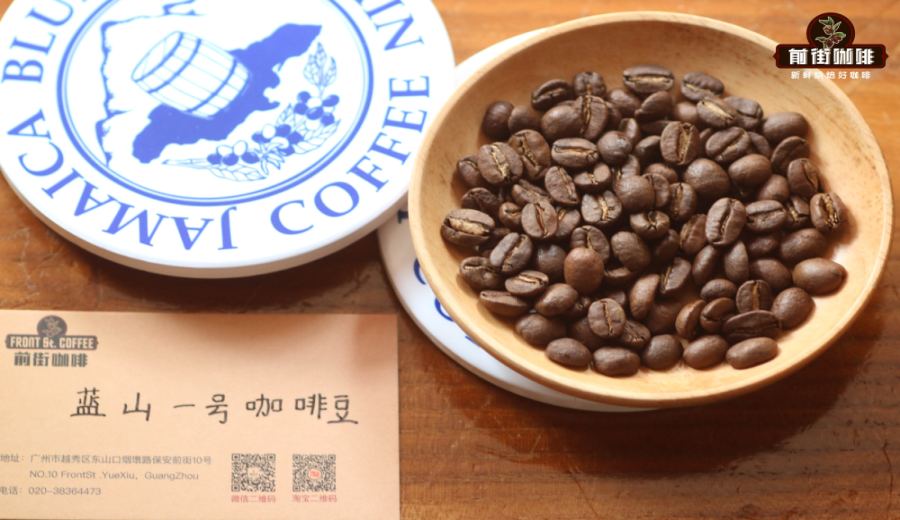
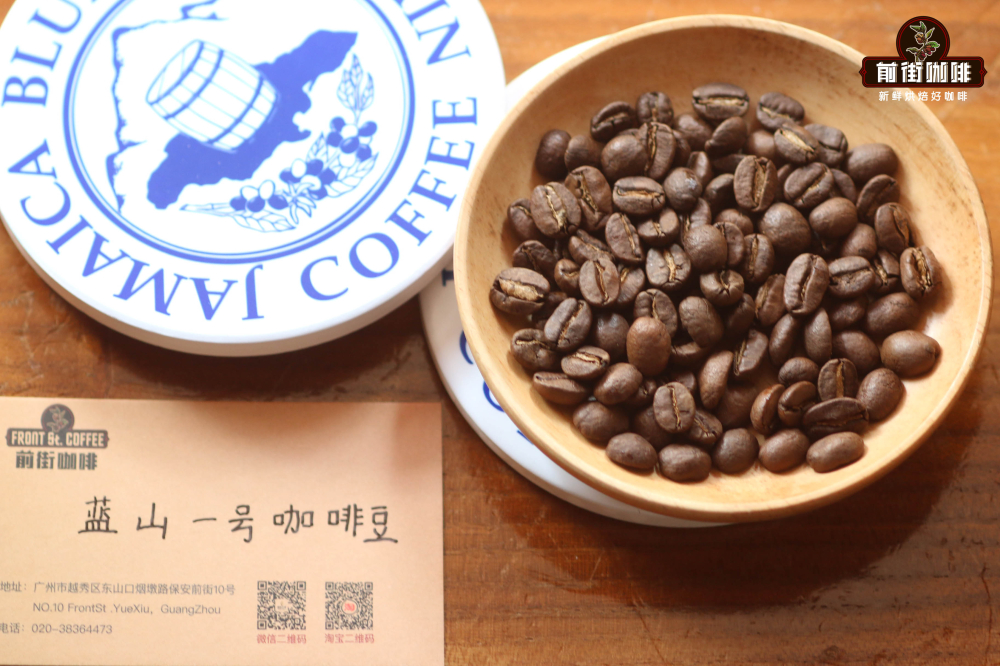
Introduction:Jamaica Blue Mountain coffee is renowned for its balanced and mellow flavor, making it a top choice among many coffee enthusiasts. This article delves into the growing environment of Jamaica Blue Mountain No. 1 beans, the characteristics of its washed processing method, the official grading system, and provides practical pour over parameters and tips to help you fully experience the unique charm of this premium coffee.
In the world of specialty coffee, Jamaica Blue Mountain coffee is undoubtedly a classic among classics. Compared to the recently popular beans with pronounced acidity, such as Ethiopia’s Geisha or Yirgacheffe, Blue Mountain coffee exhibits a distinctly different flavor profile: a well-balanced combination of acidity, sweetness, and bitterness, along with a rich and layered mouthfeel that can be easily enjoyed even by novice coffee drinkers. Its prestige is not only due to its captivating taste but also to the extremely limited production area and scarce yield — less than 15% of Jamaica’s coffee qualifies to be labeled as “Blue Mountain.”
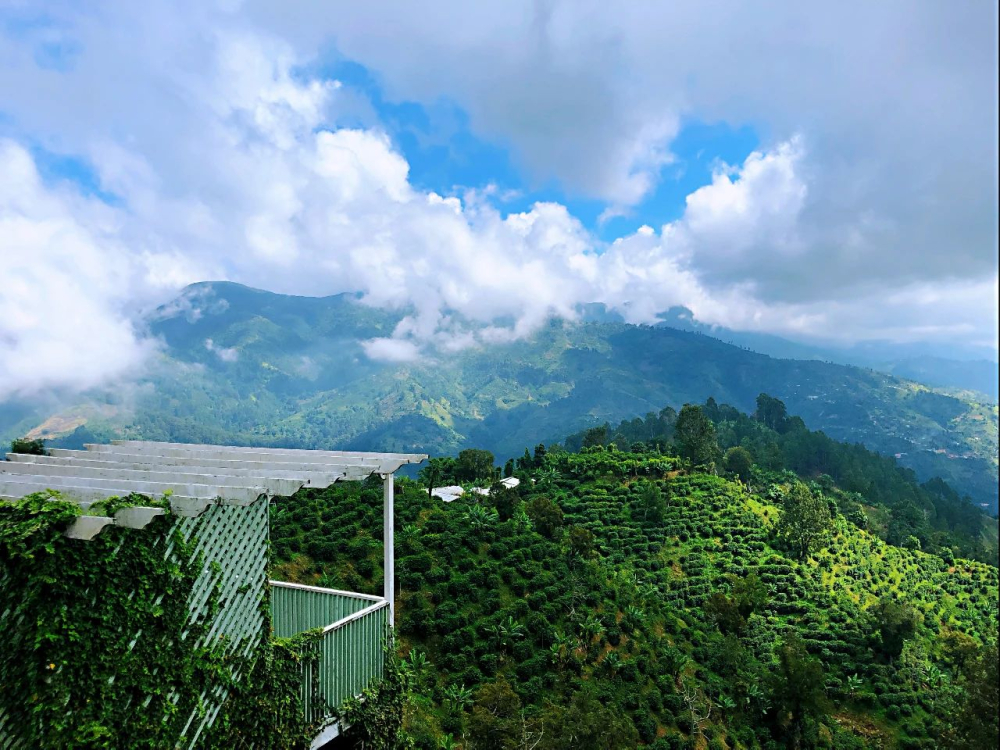
Blue Mountain coffee is grown in mountainous regions surrounded by the Caribbean Sea, characterized by a typical island-type tropical rainforest climate. The rainy season brings abundant rainfall with good drainage, and the fertile volcanic soil reduces the need for excessive human intervention. The area is often shrouded in mountain mist with cool temperatures, and the high-altitude environment is particularly suitable for coffee cultivation. Many farmers practice intercropping coffee with banana trees, using the shading effect of the bananas to further enhance coffee quality. Among these, Blue Mountain coffee is mainly grown in four regions: Saint Mary, Saint Thomas, Saint Andrew, and Portland. These core producing areas account for only one-third of the total cultivable area of the Blue Mountains, making them even more precious.
The Jamaica Coffee Industry Board (CIB) has set strict standards for the production of Blue Mountain coffee. Only Arabica coffee grown at altitudes between 910 and 1,700 meters can legally be labeled as “Jamaica Blue Mountain Coffee.” However, due to steep slopes, difficult harvesting, and limited land meeting the standards, fewer than 15% of the nation’s total coffee production earns Blue Mountain certification each year, adding to the rarity and value of Blue Mountain No. 1 coffee.
The flavor characteristics of Blue Mountain coffee are closely related to its growing environment. The significant diurnal temperature variation caused by high altitude slows the ripening of coffee cherries, helping accumulate flavor compounds and resulting in delicate and rich aromas. Traditionally, Blue Mountain coffee is mostly processed using the washed method, which ensures flavor stability while enhancing the coffee’s cleanliness and clarity.
The washed processing procedure generally includes: after harvest, coffee cherries undergo floatation to remove unripe or overripe fruits; the skin and pulp are then mechanically removed, followed by approximately 24 hours of fermentation in water tanks to break down the mucilage. After fermentation, the beans are rinsed with clean water to remove residual mucilage layers, and the parchment-covered beans are then naturally dried in the sun until they reach the required moisture content before packaging and quality inspection. Since most of the pulp is removed before fermentation, washed Blue Mountain coffee can present a purer and brighter flavor profile, commonly featuring notes of chocolate, roasted nuts, and cocoa. With medium to dark roasting, it can also bring out the aromatic characteristics of toffee, cream, and caramel.
The grading system for Blue Mountain coffee is quite rigorous, overseen by the Jamaica Coffee Industry Board (CIB) to ensure that every exported batch meets high standards. Evaluation factors include bean size, appearance color, drying uniformity, aroma performance, cupping flavor, and bean screen size. Among these, beans are classified into four grades based on size, and the Blue Mountain No. 1 coffee introduced from this origin belongs to the highest grade: its bean size must be 17 screen and above, with a defect rate no higher than 3%, moisture content maintained between 10% and 12.5%, and each bean uniformly sized and consistently colored — making it an extremely rare top-tier batch.
Before export, Blue Mountain coffee also undergoes rigorous cupping evaluation by CIB-certified professional tasters to ensure that its balance of acidity, sweetness, bitterness, body, and aroma reaches optimal levels. Blue Mountain coffee beans that meet the standards are shipped in handcrafted oak barrels, which differ from the common jute sacks used in other origins. Oak barrels help regulate internal and external humidity, effectively prevent aroma loss, and assist in maintaining stable moisture content, thereby improving the control over roasting. Over time, this wooden barrel packaging has also become one of the key identifiers of authentic Blue Mountain coffee. In addition, officially imported Blue Mountain No. 1 coffee usually comes with a quality certificate issued by the Jamaica Coffee Board, an authorization document from the producer, and a certificate of origin to ensure a reliable source.
If you want to brew Blue Mountain No. 1 coffee at home, here is a set of tested and effective pour over parameters that help bring out its delicate and rich flavor profile: recommended dosage is 15 grams, with a 1:15 coffee-to-water ratio, water temperature controlled at 88°C, and grind size around 75% through a 20-mesh sieve, paired with a KONO filter for a three-stage pour.
The specific steps are as follows: First, wet the filter to ensure it fits snugly against the filter cone, then discard the excess water, and place 15 grams of coffee grounds. Evenly wet the coffee bed with 30 grams of 88°C hot water, start timing, and let it bloom for 30 seconds. This step releases carbon dioxide, aiding in more stable extraction later and bringing out the aroma. After 30 seconds, pour the second stage of hot water in a circular motion from the center until the total reaches 125 grams, paying attention to keeping the water flow steady and avoiding the edges of the filter. When the coffee bed has settled to the middle of the cone, pour the third stage of water using the same method until the total yield reaches 225 grams. Finally, wait for all the coffee liquid to drip through before removing the filter. Gently swirl the coffee before enjoying. The overall extraction time is recommended to be around 2 minutes.
It is recommended to use freshly roasted Blue Mountain No. 1 coffee beans. Coffee beans typically require a 4 to 7 day degassing period after roasting to release carbon dioxide and allow the flavors to mature. Be sure to select beans roasted within five days for the best flavor experience.
The above content is compiled by CoffeeHunters, a coffee news website.


