







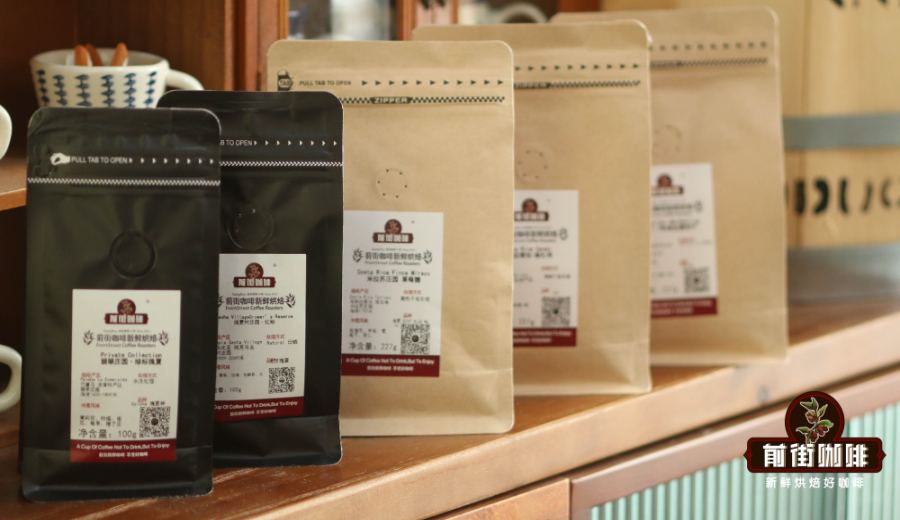
Introduction:The freshness of coffee beans is a key factor that influences the flavor of brewing, but many coffee enthusiasts often overlook the storage process, leading to bean oxidation and spoilage, and ultimately wasting good beans. This article will delve into how to identify the freshness of coffee beans, explore the impact of environmental factors such as temperature, humidity, and light on coffee beans, and provide practical storage suggestions — including choices of sealed containers and precautions for using the refrigerator — to help you preserve the original flavor of coffee right from the storage stage.
Whether coffee beans are fresh directly affects the flavor performance of the brewed coffee. Many people are very particular when selecting coffee, yet they overlook the importance of the storage process, resulting in originally aromatic beans losing their flavor prematurely. How can you determine if the coffee beans in your hand still retain their freshness? And how should you store them correctly to extend their optimal drinking period? This article will guide you through the essential knowledge of coffee bean storage from three core aspects.
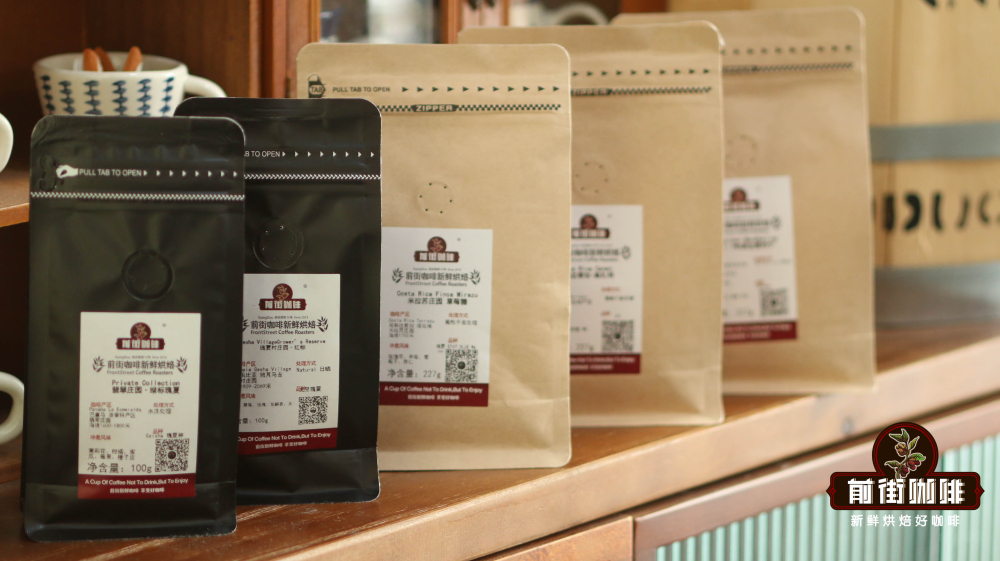
First, let’s look at how to judge whether coffee beans are still fresh by observation. It is recommended to prioritize purchasing from quality-assured retailers, as these vendors typically clearly label the roast date and shelf life on the packaging. After getting the beans, you can pour them into the palm of your hand to observe whether the roast color of each bean is uniform. Additionally, you can take a single bean and gently break it apart with your hand. If the bean is fresh enough, it should split easily with a crisp sound. Conversely, if the bean has been stored for too long, it will feel harder to break and produce a dull sound.
Another important indicator for assessing freshness is the surface oil on the beans. During the roasting process, high temperatures cause internal moisture in the beans to evaporate and release some volatile oils, which adhere to the bean surface and are one of the important sources of flavor. However, once these oils come into contact with air, they gradually evaporate, leading to a loss of aroma. But it’s important to note that light roast and dark roast differ in oil emergence — light roast beans usually have more subdued gloss and won’t appear as shiny as dark roast beans, so you can’t solely rely on surface shininess to determine freshness.

Next, let’s talk about the correct way to store coffee beans. Roasted coffee beans are highly prone to oxidation reactions with oxygen in the air, which leads to the degradation of internal oils and subsequent aroma loss. In addition, surrounding factors such as temperature, humidity, and light can all accelerate the deterioration of coffee beans, especially high temperatures, which can cause volatile aromatic compounds to dissipate quickly and may even damage beneficial components within the beans. Therefore, the storage environment should be kept as cool as possible (recommended below 25°C), away from light, and sealed to slow down the rate of oxidation.
Many coffee lovers consider putting coffee beans in the refrigerator for storage, thinking that the low temperature helps preserve them. However, this is actually a common misconception. The air inside a refrigerator tends to be more humid and can easily mix with odors from other foods. Coffee beans are highly adsorbent — once they absorb foreign odors, it’s very difficult to restore their original pure flavor. Moreover, if you place coffee beans in the freezer, the water molecules inside the beans may freeze and expand under low temperatures, potentially damaging the internal structure of the beans and affecting flavor release.
When storing coffee beans, it is recommended to choose professional sealed containers. Glass is the preferred material because it effectively blocks out light and heat, helping to maintain bean stability. Plastic containers are less recommended, as they tend to adsorb coffee oils, and long-term use may lead to residual odors that affect the taste of the coffee. Metal containers also offer a certain degree of insulation, but care should be taken to avoid placing them near heat sources or in humid environments to prevent oxidation or odor development in the container.
If the coffee beans are unopened, it is acceptable to briefly store them in the refrigerator, as the low temperature can effectively delay oxidation reactions. However, remember to allow them to return to room temperature before grinding and brewing to avoid condensation that could affect the grinding process. Generally speaking, the most ideal storage environment for coffee beans is a cool, well-ventilated area, with a recommended temperature between 18 and 22°C, and care should be taken to avoid environments that are too dry (humidity below 54% may affect bean activity).
There are many types of sealed jars available on the market. While ordinary sealed jars sold in supermarkets can provide basic sealing functions, most do not feature an air-release design. For dark roast beans, visible oil may appear within just four days. If you wish to more effectively maintain the freshness of your coffee beans, it is recommended to choose professional coffee storage jars with a one-way degassing valve. This type of design allows the beans to release internal pressure while preventing external air from entering, helping to extend the flavor enjoyment period.
In summary, to enjoy an exceptional cup of pour over coffee, every step from bean selection to storage is crucial. It is recommended to prioritize purchasing high-quality coffee beans with clearly marked roast dates, paired with proper storage methods and suitable containers, to ensure that every cup of coffee can showcase its best possible flavor potential.
The above content is compiled by CoffeeHunters, a coffee news website.


