








Introduction:Cold brew coffee, known for its easy preparation and refreshing flavor, has become the go-to choice for coffee lovers in summer. This article delves into the basic principles of cold brew, key parameters such as coffee-to-water ratio and steeping duration, and compares its flavor profile with that of hot brew. It also curates a selection of single-origin coffee beans ideal for cold brewing, categorized by different flavor profiles—from bright floral notes to honeyed richness—offering practical recommendations to help you brew a layered, smooth, and low-bitter iced coffee at home.
On a hot summer day, an ice-cold coffee can bring instant refreshment. With its low barrier to entry, cold brew coffee has become a daily favorite among many coffee beginners and busy office workers. Simply mix ground coffee with cold water, let it steep in the fridge for several hours, and you’ll easily extract a smooth, low-bitter cup. This article not only introduces the origin and fundamental principles of cold brew but also provides a detailed breakdown of key brewing parameters—including coffee-to-water ratio, ideal grind size, and optimal steeping time—and recommends a variety of single-origin beans suited to different flavor profiles, helping you master this time-intensive yet rewarding brewing method.
 Cold brew coffee, known in English as Cold Brew Coffee, is made by steeping coffee grounds in cold water for an extended period to slowly extract flavors. The common method involves mixing coarsely ground coffee with cold water at a ratio typically between 1:12 and 1:15, then refrigerating the mixture for 12 to 24 hours. Some enthusiasts seeking a richer taste may extend the steeping time up to 48 hours. Once steeped, simply filter out the grounds using paper or cloth, and enjoy a mild, mellow coffee with low acidity and gentle stimulation.
Though it may seem time-consuming, this brewing method actually requires just a few simple steps and plenty of patience—no special skills needed. If you’re often busy, you can prepare a larger batch and store it in the fridge for several days, ready to enjoy a cool coffee anytime. In a nutshell: what you’re sipping is not just coffee, but flavors refined by time.
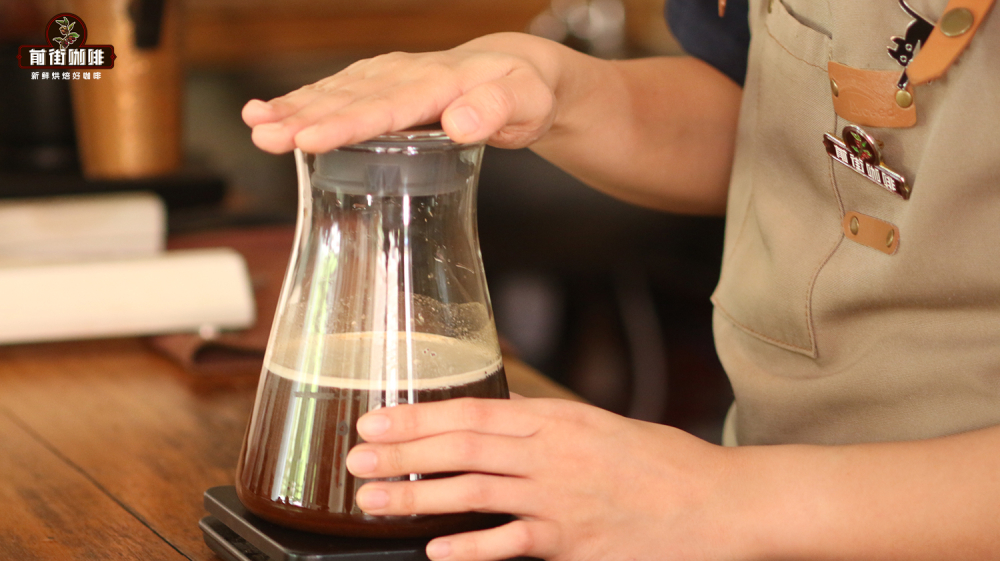 The origins of cold brew coffee are widely believed to be linked to 17th-century Dutch merchant ships. Crew members, unable to heat water for brewing, tried steeping coffee grounds in cold water and were pleasantly surprised by the decent flavor it produced—leading to its gradual spread. Over time, cold brewing gained popularity across Europe, America, and Japan, especially among military personnel for its stability and ease of preparation. By the 1960s, American Todd Simpson, during a trip to Peru, encountered local cold brew methods and was inspired to develop the renowned Toddy cold brew system, further popularizing the trend. Today, major chains like Starbucks have adopted similar systems, bringing cold brew into the mainstream market.
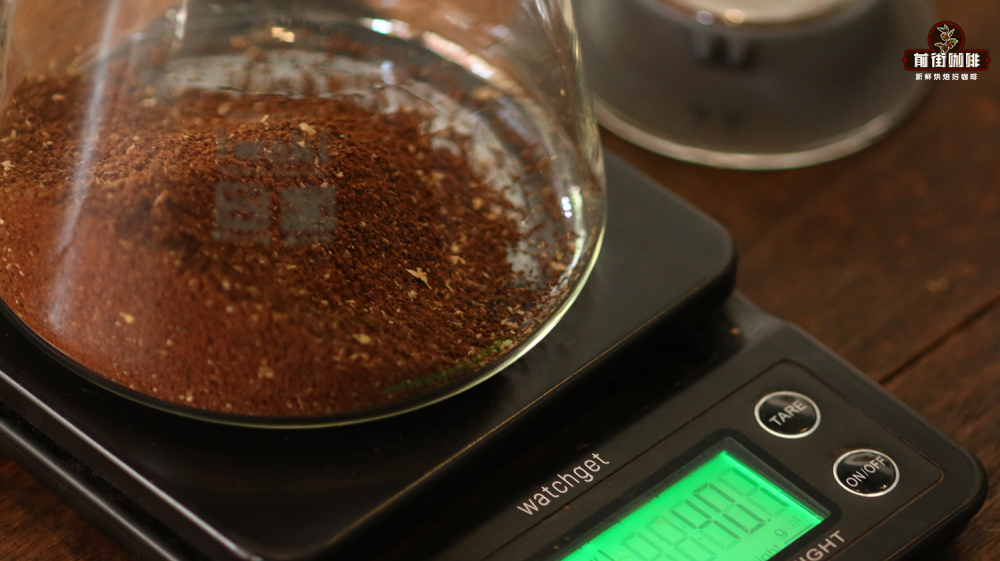
To make a delicious cup of cold brew, several key factors must not be overlooked. First is grind size: it’s recommended to use a coarse grind similar to that of fine sugar, roughly matching the grind used for light-roast pour over coffee. In practice, aim for about 80% extraction through a standard #20 sieve—that is, 10 grams of coffee grounds should retain around 8 grams after sieving. This coarse grind helps prolong extraction time and reduce the risk of over-extraction, resulting in a more balanced final flavor. For grinder settings, you can refer to the EK43S’s 9.5 mark to achieve uniform extraction.
Regarding steeping time,12 to 24 hours is widely regarded as the optimal range by most enthusiasts, with around 18 hours yielding the most balanced extraction. Steeping beyond 24 hours may lead to over-extraction, resulting in noticeable bitterness and astringency. It’s worth noting that cold brew continues to ferment slowly even while refrigerated, so it’s best to consume it within 3 to 4 days after brewing to enjoy peak flavor.
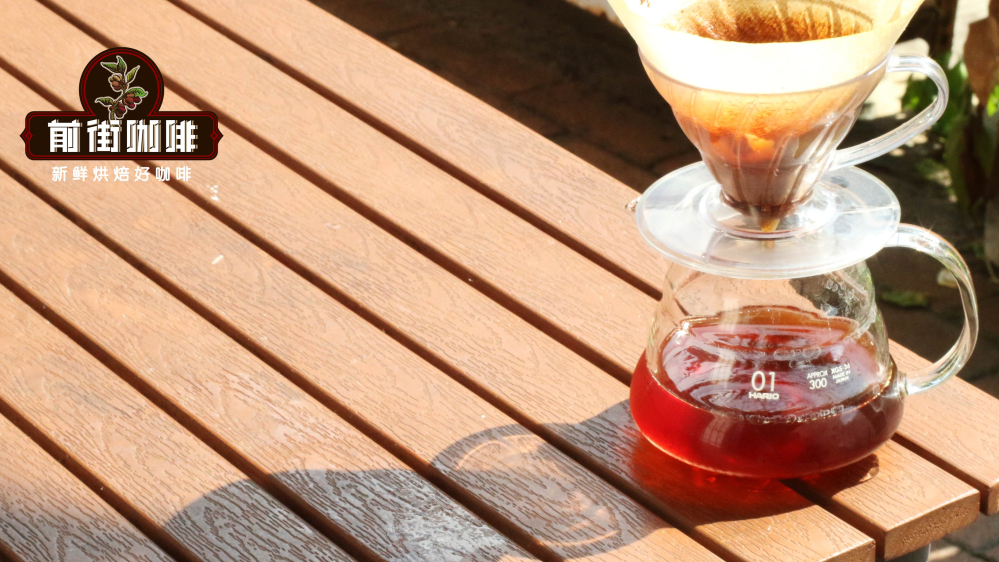 The choice of water is equally important. To maintain a stable and clean extraction environment, it’s recommended to use filtered drinking water or commercially available bottled purified water, avoiding impurities in tap water that may affect flavor. During brewing, combine room-temperature or cold water with ice to create an ice-water mixture, keeping the overall water temperature close to 0°C, and steep it in a refrigerator set between 0 to 5°C. Using ice water not only helps slow down the initial extraction rate but also reduces the risk of over-extraction, yielding a smoother final coffee.
The biggest difference between cold brew and traditional hot brew lies in extraction temperature and time. Hot brew usually employs water heated to 82 to 95°C, extracting flavors in just a few minutes (e.g., 2 to 3 minutes for pour over, 18 to 30 seconds for espresso), quickly releasing flavor compounds but also extracting excessive acidity and stimulating elements. In contrast, cold brew slowly extracts in a low-temperature environment, effectively minimizing over-extraction and preserving more sweetness and smoothness, resulting in a rounder, less bitter taste that’s particularly favored by those who dislike pronounced acidity.
As for coffee bean selection, because the degassing effect during cold brew is limited, it’s recommended to choose beans that are 15 to 20 days post-roast, having completed their resting period when flavor stability is optimal. Based on flavor profiles, they can be divided into three main categories:
Fresh Floral Type:It’s recommended to select beans primarily from Panama, such as the Emerald Estate’s Green or Blue Label series, or the cost-effective Panamanian Geisha Flower Butterfly (washed process, containing 70% Geisha). These beans often yield clean citrus, oolong tea, and delicate floral notes after cold brew, delivering a refreshing and pleasant flavor.

Citrus & Berry Type:For those who enjoy bright acidity and rich layers, beans from renowned regions like Ethiopia’s Natural Red Cherry Project or Huaca series are great choices. These beans, when cold brewed, showcase lively berry sweetness, honeyed finish, and distinct fruit aroma layers, making them ideal for fruit-forward drinkers.
Mellow Honey Type:If you prefer rich sweetness and unique fermentation characteristics, consider selecting beans with anaerobic processing—such as Colombia Gesha (processed via anaerobic sun-drying at La Línea Estate) or Costa Rica Mozart (from Finca Canet, part of the Musician Series, with anaerobic honey processing). The former often delivers intense preserved fruit aromas like passionfruit, grape, and apricot after cold brew, while the latter exhibits fermented wine-like notes, raisin, and osmanthus finish, offering a uniquely layered flavor.
In summary, the charm of cold brew coffee lies in its simplicity of preparation paired with the ability to showcase nuanced and varied flavor profiles. By mastering the coffee-to-water ratio (recommended 1:12 to 1:15), using an appropriately coarse grind, steeping for around 12 to 24 hours in the fridge, and selecting beans with the right flavor character, you can easily enjoy a café-quality iced coffee at home. Whether it’s fresh floral, fruity burst, or mellow honey, there’s a flavor tailored for your palate.
The above content is compiled by CoffeeHunters, a coffee news website.


