








Introduction:Robusta is often regarded as the representative of low-grade coffee, but in reality, it plays an indispensable role in the world of coffee. This article delves into the differences between Robusta and Arabica in terms of flavor characteristics, caffeine and chlorogenic acid content, analyzes why Robusta still holds a place in Italian espresso blends, and reveals the practical value of these two coffee varieties in roasting applications and breeding research—helping you gain a more comprehensive understanding of the diversity of coffee beans.
In today’s era where specialty coffee is becoming increasingly popular, Arabica, with its delicate flavors and aromas, has almost become synonymous with high-quality coffee. However, Robusta, one of the world’s three major coffee species, is often misunderstood as being used only for commercial beans or instant coffee. In fact, Robusta not only possesses unique characteristics, but also holds irreplaceable value in the coffee industry.
Robusta belongs to the Canephora species, but due to market conventions, many people simply refer to the entire Canephora species as “Robusta.” Many consumers, upon their first encounter with Robusta, often form a negative impression due to its distinct wheaty, grainy notes, or even slightly pungent flavors. However, these characteristics are actually closely related to its chemical composition.

One key factor is the caffeine content. Robusta contains a significantly higher proportion of caffeine compared to Arabica, which not only gives it a stronger stimulating effect but also provides greater resistance to pests and diseases. However, high caffeine levels also pose challenges in terms of flavor expression, often resulting in a more intense and stimulating taste.
In addition, Robusta is rich in chlorogenic acid—an extremely important compound in coffee. However, chlorogenic acid is highly unstable and tends to break down under different roasting temperatures. For example, when the temperature is below 80°C or above 85°C, chlorogenic acid gradually decomposes into caffeic acid and quinic acid. Among them, quinic acid brings a noticeable bitterness, while caffeic acid contributes acidity. The interaction of the two results in the commonly perceived sour-bitter taste of Robusta, sometimes described as resembling the flavor of “aged coffee.”
In contrast, Arabica contains only about half the amount of caffeine and chlorogenic acid compared to Robusta, which is one of the reasons why its flavor is usually softer, more aromatic, and layered. Of course, factors that influence the final flavor of coffee also include roast level, brewing method, and other details—all of which are equally important and should not be overlooked.
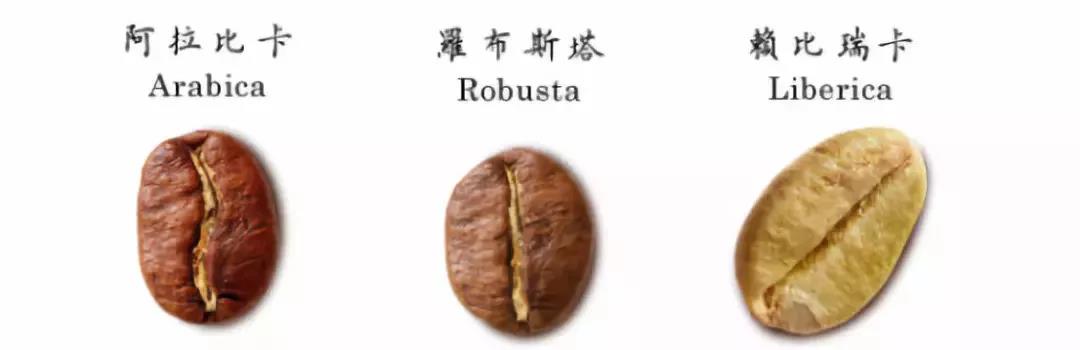
Many people immediately associate Robusta with the term “low quality,” but in fact, it demonstrates irreplaceable value in certain application scenarios. For example, in Italian espresso blends, Robusta plays a crucial role. Many regions prefer dark-roasted, bold and intense coffee. Adding a small amount of Robusta to the blend can effectively enhance the body and richness of the coffee, making the espresso crema more lush and better complementing milk to produce a richer and more aromatic milk-based coffee.
The full-bodied texture brought by Robusta perfectly compensates for the lack of intensity in Arabica, while the aroma of Arabica elevates the overall flavor complexity. The two complement each other, creating a uniquely distinctive coffee art.
Additionally, Robusta plays an important role in the breeding research of new coffee varieties. Thanks to its stronger drought tolerance, disease resistance, and high-yield characteristics, researchers often crossbreed Robusta with Arabica in attempts to develop new coffee varieties that combine excellent flavor, high disease resistance, and stable yield. These efforts provide more possibilities for the sustainable development of the future coffee industry.
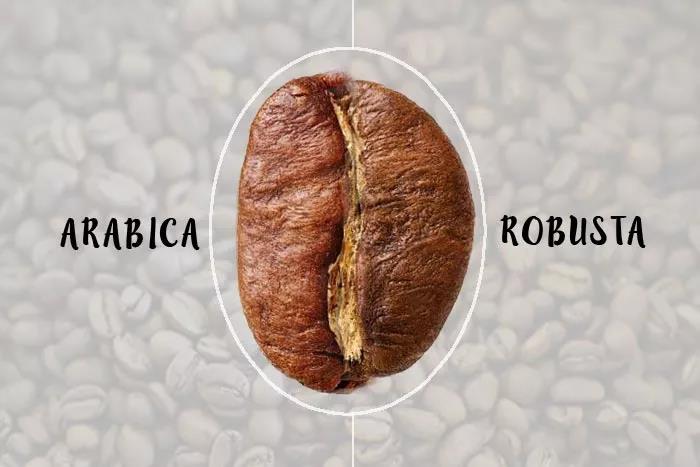
In summary, although Robusta may be difficult to rival Arabica in terms of flavor, its unique chemical composition and practical value ensure that it continues to hold a pivotal position in the coffee industry. Whether in espresso blends, high-resilience breeding, or the exploration of coffee flavor diversity, Robusta demonstrates its undeniable potential. Understanding these differences helps us appreciate the unique qualities of each type of coffee bean from a more comprehensive perspective.
The above content is compiled by CoffeeHunters, a coffee news website.


