








Introduction:Many coffee beginners often confuse Mandheling with espresso, but in reality, the two differ greatly in bean variety, brewing methods, and flavor profiles. This article delves into the regional characteristics of Indonesia’s Sumatra Golden Mandheling, the PWN grade standards, and provides a detailed comparison of the differences between drip, immersion, and pressure brewing methods. It also examines the suitability of single-origin Mandheling versus espresso, offering practical pour-over parameters and espresso extraction recommendations. Whether you're a pour-over enthusiast or an espresso lover, you’ll find key answers here.
Many coffee enthusiasts often regard Mandheling and espresso as the same beverage, but in truth, there are significant differences in bean selection, extraction principles, and final flavor. Based on the practical experience of a certain coffee shop, this article systematically outlines the concepts of single-origin and blended coffee beans, compares the characteristics of the three main extraction techniques—drip, immersion, and pressure—and further explores the regional traits of Sumatra Mandheling, the PWN Golden Mandheling grade standards, as well as the recommended practical pour-over parameters and techniques from that shop. Additionally, it explains the standard extraction conditions for espresso and discusses whether single-origin Mandheling is suitable for making Italian-style espresso.
First, let’s clarify the definitions of single-origin coffee beans and blended coffee beans.Single-Origin Coffee BeansThe most notable feature is traceability—you can clearly know the region, estate, and even farmer information, which is extremely helpful for improving origin quality and bean selection. However, single-origin beans are not the same as specialty beans, as the latter must meet a cupping score of 80 or above according to the COE standard. A certain coffee shop strictly adheres to this criterion when selecting beans, with only those scoring over 80 being stocked.Blended Coffee Beansare designed to balance the extreme flavors or defects that may arise from a single-origin bean by mixing beans from different regions, achieving stable flavor and balanced layers—this is especially common in the base beans for espresso.
< >
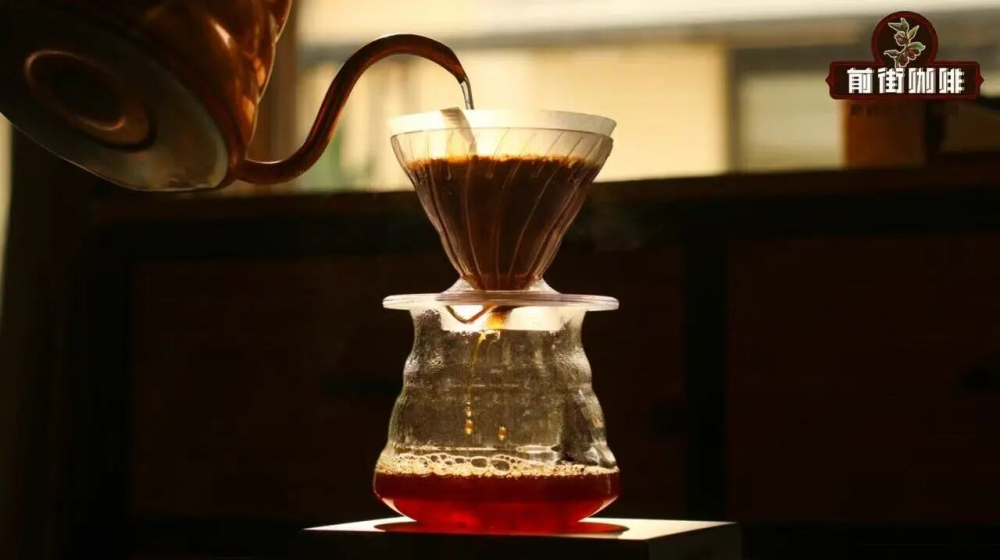
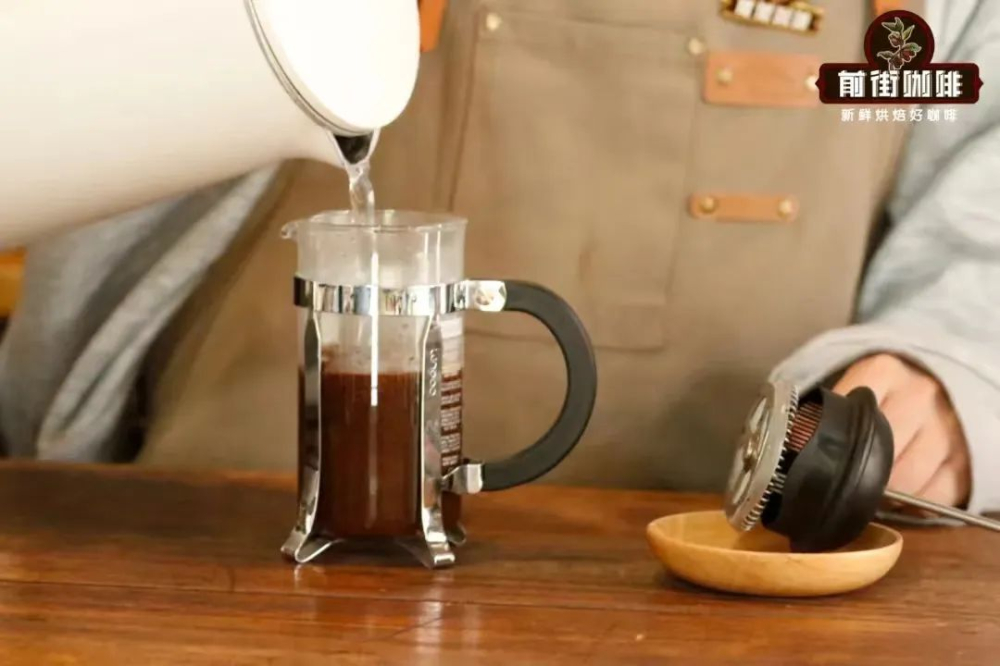
In terms of brewing methods,Drip Brewingis the most common pour-over method, such as using V60, Kono, or Kalita filters, where water is poured through the coffee grounds and filter paper to extract the coffee. The advantage of this method is its ability to showcase rich layers of flavor. By adjusting the filter design, water flow rate, and temperature, a variety of flavor profiles can be highlighted.Immersion Brewinginvolves fully submerging the coffee grounds in water and then filtering them, such as with a clever dripper, French press, or cupping method. Its characteristic is the full expression of the coffee’s body and overall flavor profile, making it suitable for drinkers who prefer a bold taste. Simply adjusting grind size, water temperature, and steeping time can alter the flavor direction.
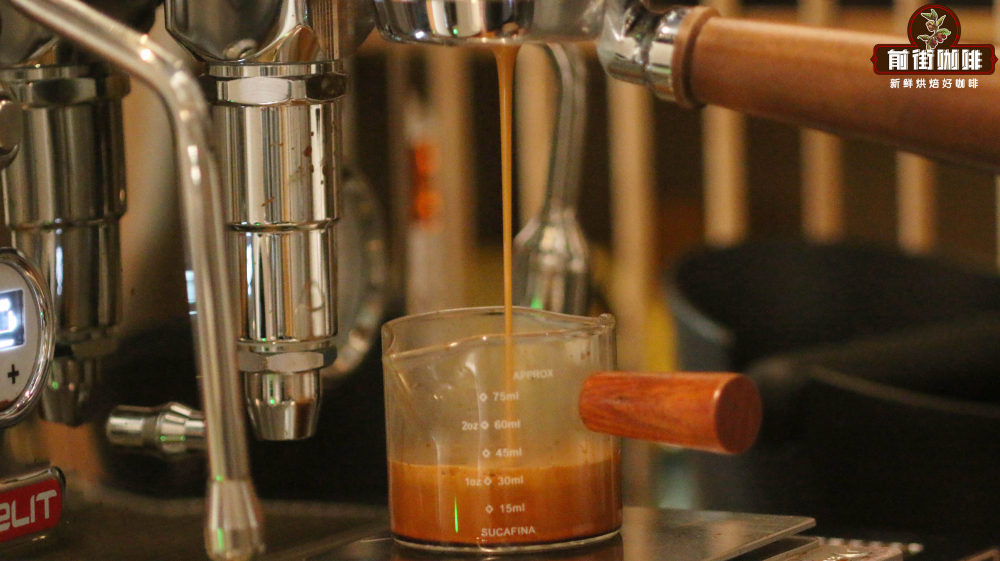
Pressure Brewingis the core technology behind espresso, utilizing high pressure of about 9 bar to quickly extract espresso in a short time (approximately 20–30 seconds). Compared to pour-over methods that often take 2–3 minutes, pressure brewing is highly efficient and serves as the foundation for various espresso-based drinks (such as lattes and cappuccinos). This method requires professional espresso machines and portafilters, with strict requirements for pressure and temperature control.
< >
Next, let’s talk about the star of the show—Mandheling coffee beans. These popular beans are grown in the highland mountainous regions of Sumatra, Indonesia, at altitudes between 750 and 1,500 meters. It’s worth noting that “Mandheling” is actually a general term for Sumatran coffee, not a specific variety. The Mandheling commonly used by a certain coffee shop is mostly the hybrid variety Ateng (Indonesian Catimor), a cross between Catimor and Caturra. This variety is highly adaptable and can produce stable quality even at non-extreme altitudes, making it a top choice for local farmers. Mandheling coffee is known for its intense aroma, full body, and unique herbal-spicy notes, making it a favorite among those who enjoy bold-flavored coffee.
As for thePour-Over Recommendations for Mandheling, a certain coffee shop recommends using the Kono filter. This filter’s design combines features of both drip and immersion brewing, with smaller filtration holes and radial ribs that extend the extraction time, resulting in a richer-tasting coffee. Take the PWN Golden Mandheling as an example—this coffee bean, sourced from Lake Tawar in the Gayo Highlands of northwestern Sumatra, is of the highest G1 grade. Its selection criteria include beans larger than 18 mesh, with fewer than 3 defects per 300g of green beans, a darker green color, and uniform bean shape. The coffee shop recommends using freshly roasted beans (shipped within 5 days post-roast) and allowing a 4–7 day rest period for optimal flavor expression.
The tested PWN Golden Mandheling pour-over parameters by the coffee shop are: 15g of coffee, a 1:15 coffee-to-water ratio, 88°C water temperature, and medium-coarse grind (75% extraction through a 0.85mm sieve). The specific technique is as follows: first wet the filter paper, add the coffee grounds and gently level them; the first pour is 30g of hot water for a 30-second bloom; the second pour goes up to 125g with a gentle circular motion; the final pour reaches 225g, with a total brew time of about 1 minute 30 seconds to 2 minutes. These parameters fully highlight the Mandheling’s nutty, spicy, herbal, licorice, chocolate, and caramel notes, delivering a clean taste with soft and layered complexity.
< >
Switching toEspresso, this is an extraction method originating from Italy, where nearly boiling water under high pressure (about 9 bar) is forced through finely ground coffee to produce a thick, crema-rich coffee liquid. A traditional single shot of espresso is about 1 ounce (approximately 30ml) and serves as the base for many classic espresso-based drinks (like lattes and cappuccinos).
When actually pulling espresso, a certain coffee shop uses the La Marzocco Linea Mini (referred to here as the Feima E98 machine), with settings as follows: pressure 9 bar ± 2, water temperature 90.5–96°C, brew time 20–30 seconds, and a coffee-to-water ratio of 1:1.7 to 1:2. A single shot uses 12g of coffee, yielding about 20ml; a double shot uses 20g of coffee and produces 40ml of espresso. The commonly used blend is the shop’s Sunflower Blend (sun-dried Yirgacheffe + Honduran sherry cask-aged beans), which presents pronounced fruity acidity, berry aromas, wine notes, and a rich chocolate finish, with a pleasant aftertaste.
< >
So, can single-origin Mandheling be used to make espresso? The answer is yes. Mandheling’s naturally bold character, when extracted under pressure, amplifies caramel, dark chocolate, nut, and roast aromas, resulting in a richer and more crema-laden coffee. However, because espresso machines typically operate at water temperatures above 90°C, improper control can easily lead to over-extraction and bitterness. Therefore, it is recommended to slightly reduce the coffee dose or adjust to a coarser grind to improve flow rate and balance extraction, ensuring a smoother flavor profile.
In summary, whether you prefer the layered richness of pour-over Mandheling or the bold intensity of espresso paired with milk, understanding the differences between brewing methods and bean characteristics will help you better capture the potential of each cup. From the highlands of Sumatra to the high-pressure extraction of espresso machines, this dialogue between Mandheling and espresso will offer you new insights into your coffee journey.
< ><
The above content is compiled by CoffeeHunters, a coffee news website.


