







Introduction:With the rise of the specialty coffee trend, Single Origin Espresso (SOE) has become a new favorite among coffee enthusiasts seeking to explore deeper flavor profiles. Compared to traditional blends, SOEs can highlight distinct regional characteristics and processing details. But how do you choose the right beans from so many options, and adjust the brewing parameters to perfection? This article delves into the core concepts of SOE, from regional traits and roast levels to practical adjustment techniques for three major types of beans, helping you master the key to crafting smooth and layered single-origin espressos.
In recent years, as specialty coffee culture has become more widespread, an increasing number of cafés have started to include single-origin beans from different regions on their menus. Among these, Single Origin Espresso (SOE), which showcases distinct regional flavors, has become a hot topic. What exactly is the difference between SOE and regular blended espresso? What should you pay attention to when selecting beans? How should you adjust grind size, dose, and yield to extract the ideal flavors? This article will break down bean selection strategies from three aspects—regional characteristics, roast levels, and processing methods—and provide specific extraction fine-tuning suggestions for light-roasted Ethiopian beans, fruity and fermented beans, and medium-to-dark roasted beans, helping you brew a balanced and distinctive SOE.
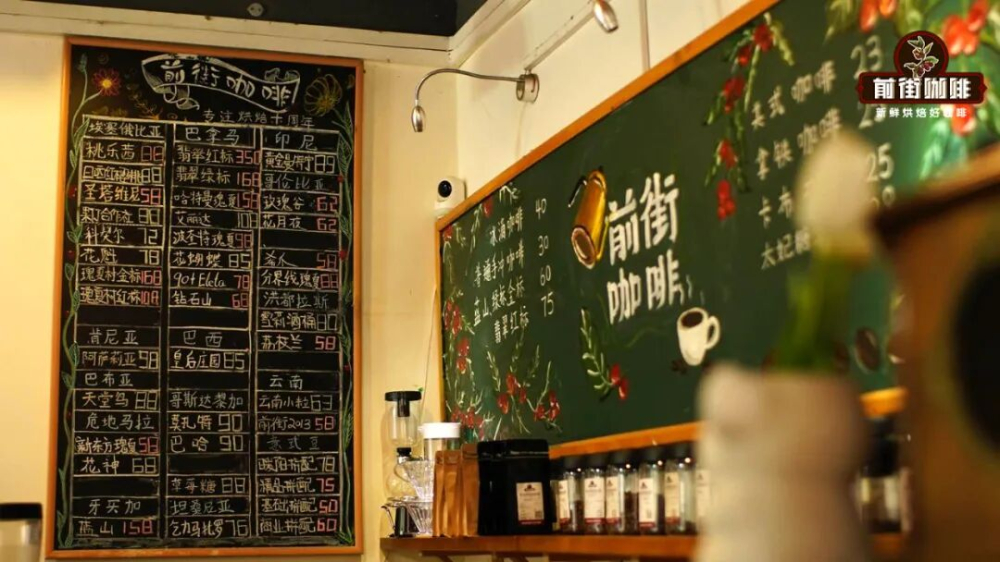
With the global specialty coffee wave advancing, high-quality single-origin beans from around the world have gradually made their way onto café menus. These beans not only come with detailed information on region, processing method, and altitude, but some single-lot offerings also impress with their unique aroma profiles. Taking a typical café coffee menu as an example, it often features dozens of beans with varying flavor characteristics—from bright fruity acidity and sweet richness to light or intense mouthfeel layers—allowing consumers to easily choose based on personal preference.
In the past, making espresso offered relatively limited choices, mostly consisting of dark-roasted blends, resulting in heavy and one-dimensional espresso flavors. Nowadays, with the growing variety of single-origin beans, more and more coffee enthusiasts are experimenting with making SOEs to pursue a more personalized espresso experience.
What is SOE? Simply put, SOE stands for Single Origin Espresso, referring to espresso made from coffee beans of a single origin, with the key being its clear "single origin" source. For example, if you use a 25-yuan single-origin Yirgacheffe everyday bean to make espresso, it’s called a "Yirgacheffe SOE." If you use a 158-yuan single-origin Blue Mountain No.1 to make an Americano, it’s a "Blue Mountain SOE Americano." And if your budget allows, using a high-end single-origin Jade Red Label Geisha to make a latte, that milk coffee can be called a "Red Label Geisha SOE Latte."
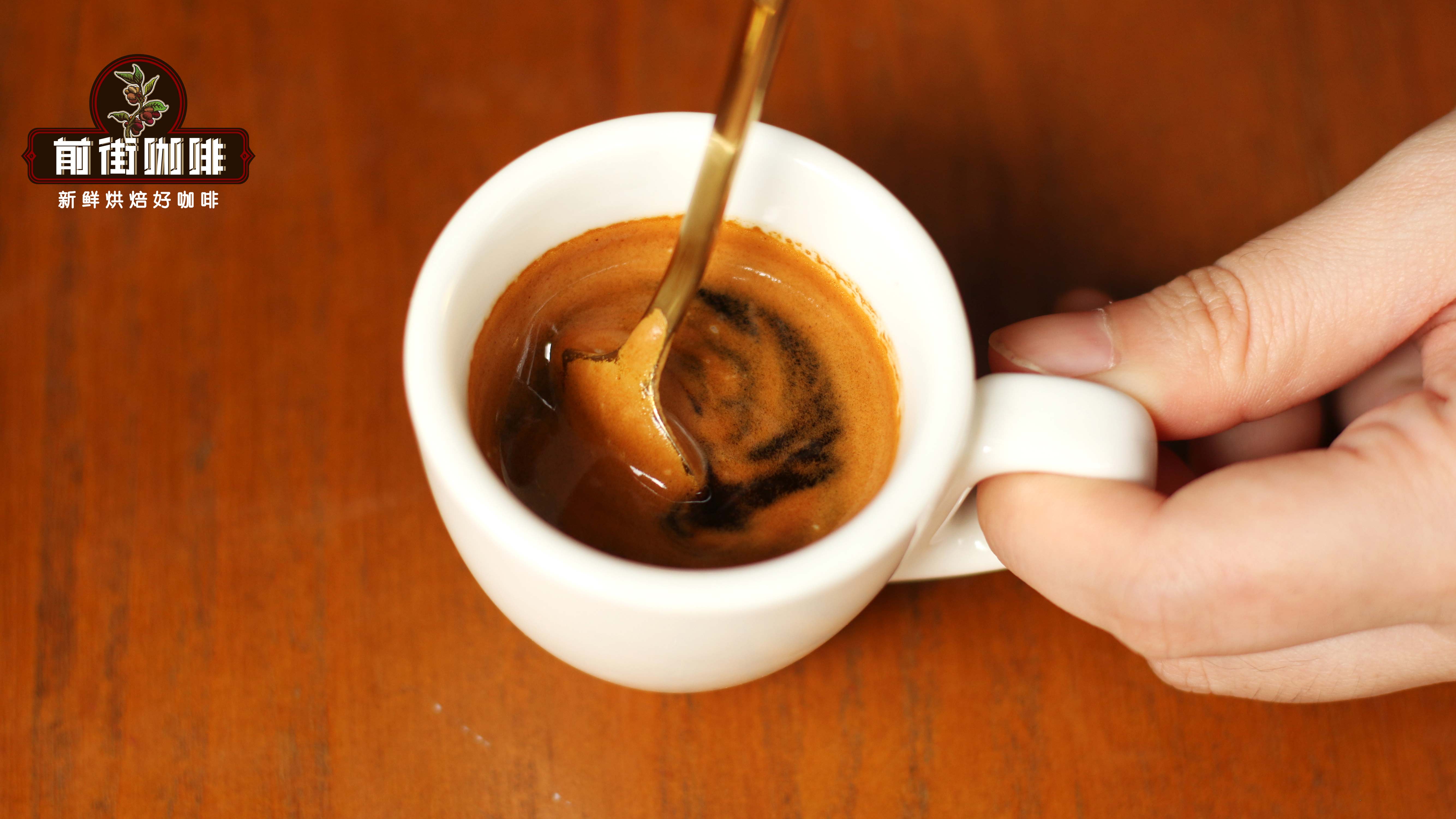
Choosing the right coffee beans is crucial when making SOE. Whether it’s a blend or a single-origin, the beans must go through the high temperature and pressure of an espresso machine and fine grinding extraction—hot water rapidly penetrates the coffee puck within seconds to form espresso, a process that significantly amplifies the inherent flavor characteristics of the beans. Common issues include: if you use a single-origin bean that’s roasted too lightly, the espresso may end up overly acidic and lacking aroma; conversely, if it’s roasted too dark, it can easily result in monotonous bitterness and burnt notes, losing its individuality. Therefore, choosing the right beans is the first step to making a delicious SOE. Based on practical experience, approaching from three dimensions—region, roast level, and processing method—can help you more efficiently identify the right type of SOE.
For those who prefer fresh, sweet, and acidic flavors, African single-origin beans with natural processing, such as those from Ethiopia’s Sidamo, Yirgacheffe, and Guji, are a great starting point. These regions are known for their high sweetness and rich aromas of fruit and flowers. However, it’s important to note that such beans are often used for pour over, cold brew, or siphon methods, with roast levels leaning toward light or light-medium. Using them directly for espresso may lead to under-extraction, coffee spraying, or thin crema. To meet this demand, some suppliers have specially designed exclusive espresso roast profiles for Ethiopian natural single-origin beans, offering dedicated beans such as Huika SOE, Chaka SOE, and Red Cherry SOE.
If you enjoy espresso with intense fruity aromas and rounded sweetness, beans from the high-altitude regions of Central and South America might be a better choice. Coffees from countries like Colombia, Panama, Costa Rica, Guatemala, and Peru often use medium roasts to highlight the sweet and caramel-like tones of their origin or variety, making them compatible with various brewing methods. Additionally, if you want to enhance the fruity expression of an SOE, you can prioritize single-origin beans processed with natural, honey, or anaerobic natural methods. For example, the Colombian Sidra SOE Americano, processed with double anaerobic natural fermentation, delivers pronounced flavors of blueberry juice, passionfruit, and ripe grapes. Meanwhile, the Colombian Dabuwei, made into an SOE Latte with anaerobic natural processing, showcases aromas of orange, nuts, and milk candy.
If none of the above single-origin beans suit your taste or if you’re more sensitive to acidity, you might consider medium-to-dark roasted single-origin beans from Asia and South America. For instance, beans from Brazil’s Cerrado or Colombia’s Queen Estate, known for their low acidity, non-bitterness, and balanced mouthfeel, are well-suited for making milder-tasting espresso.
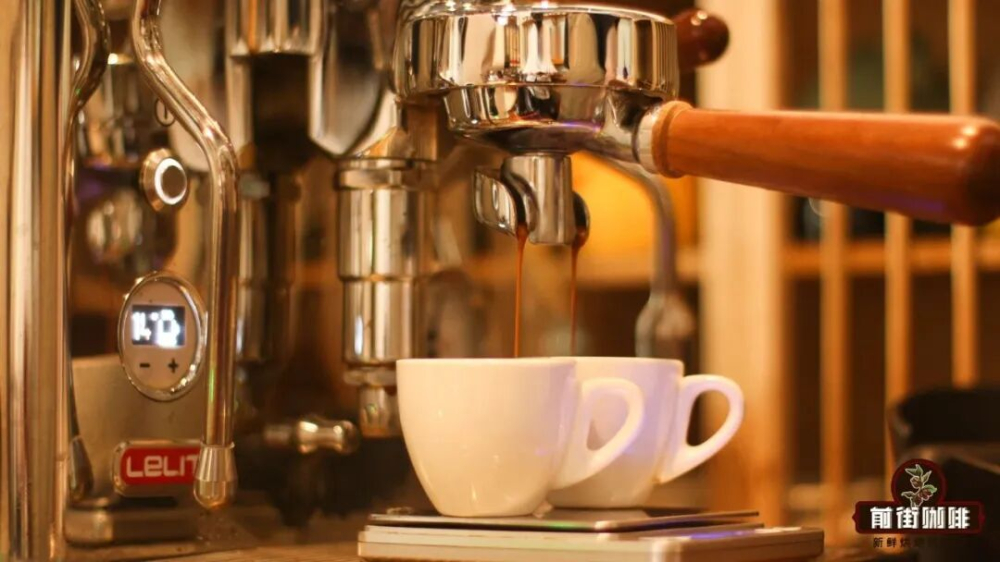
How do you make a delicious SOE? The key lies in mastering basic extraction principles and fine-tuning based on the bean’s characteristics. The standard process still follows a "brew ratio of 1:2," with extraction time controlled between 25–35 seconds, and grind size adjusted based on whether the flow rate falls within this range. For example, using 20g of Huika SOE coffee grounds to extract 40g of coffee liquid (18g of grounds corresponding to 36g of liquid), if the extraction time is much lower than 25 seconds, it means the grind is too coarse and should be adjusted finer. If it takes around 30 seconds, the grind size is roughly appropriate and doesn’t need further adjustment.
Since most SOEs are prepared as Americanos, lattes, or flat whites, after determining the basic espresso, targeted adjustments should be made based on the bean’s flavor profile. For medium or light-to-medium roasted Ethiopian beans (with flavors primarily of floral notes, bright fruit acidity, and berries), if the extracted espresso has thin or even absent crema, you can increase the dose by 0.3–0.5g to compensate for aromatic compounds. For example, using 20.5g of Huika SOE coffee grounds and extracting 40g of liquid in 31 seconds will result in an Americano that’s sweet and refreshing, and a latte with enhanced coffee concentration, helping you better appreciate the aroma layers after the espresso and milk blend.
If you’re using a single-origin bean with prominent fruity flavors and fermentation characteristics (such as double anaerobic natural), the espresso already has a rich sweet and sour profile. If you want the SOE Americano to have a more aromatic profile, you can increase the extraction yield by 3–5g to boost sweetness and aftertaste length. When making an SOE Latte, if you want to highlight the bean’s aroma, you can reduce the milk amount (e.g., from 200g of fresh milk to 160–180g).
Finally, if you’re using a medium-to-dark roasted single-origin bean and the SOE exhibits harsh flavors like rubber, hay, smoke, or charcoal, it usually indicates over-extraction, and you should reduce the coffee liquid yield by 3–5g to eliminate defective aftertastes. Conversely, if the coffee aroma is weak, the aftertaste is short, and the acidity is prominent, it may be under-extracted. In this case, it’s recommended to adjust the grind finer to extend the extraction time by 2–3 seconds, ensuring the coffee concentration achieves an ideal balance.
The above content is compiled by CoffeeHunters, a coffee news website.


