







Introduction:As an important coffee-producing region in China, Yunnan’s small-sized coffee beans have garnered significant attention. This article delves into whether Yunnan small-sized coffee can be classified as black coffee, analyzes the differences between the Catimor and Typica varieties, introduces the characteristics of high-quality regions such as Baoshan, and details the entire process — from planting and harvesting to processing and roasting — of a certain brand’s 2013 Natural Typica. It also provides professional brewing parameters and flavor profiles as references to help you choose the right Yunnan coffee beans.
The coffee harvest season in Yunnan generally peaks around mid-December, with picking in high-altitude areas starting slightly later. The same applies to a certain estate located in Lincang, near the Myanmar border. Last year, the brand launched its own self-grown and self-processed Yunnan Natural Typica coffee beans, named “Brand 2013,” with a total output of just over 200 kilograms. Despite the limited quantity, it received unanimous praise from customers. Starting from November of this year, many customers have been asking when the new harvest season will arrive. This article will provide a detailed analysis on whether Yunnan small-sized coffee counts as black coffee, how to select local brands, what the differences are between Catimor and Typica, why Baoshan is considered a high-quality producing area, and will share insights into the cultivation, processing, roasting, and cupping performance of Brand 2013 Natural Typica — offering coffee enthusiasts a comprehensive reference.
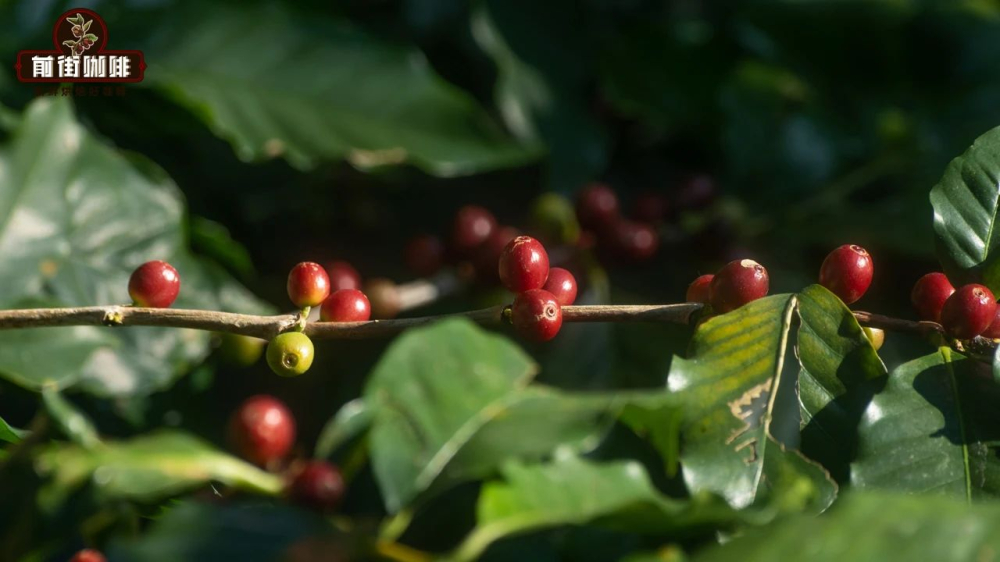
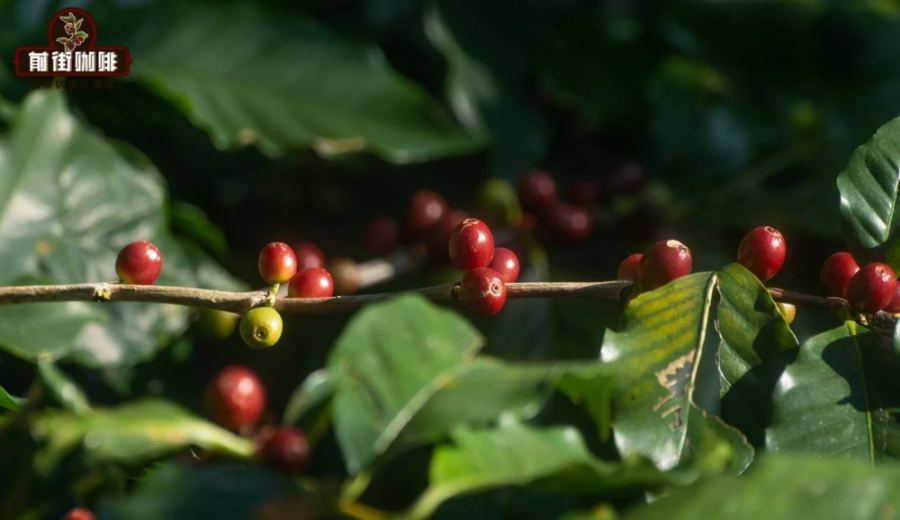
Starting in mid-December each year, Yunnan’s coffee enters a gradual peak harvest season, with higher-altitude regions starting a bit later. A certain brand owns an estate in a semi-primitive forest near the Myanmar border in Lincang, at an altitude of about 1,300 meters. Since no pesticides are used throughout the growing process, harvesting doesn’t begin until mid-December. If you’re curious about why altitude is so crucial to coffee, and why high-altitude coffee often has better flavor, this is a real-life example.
The brand’s journey of growing coffee in Yunnan hasn’t been smooth sailing. Many might assume that simply acquiring an existing Yunnan coffee estate would allow them to quickly launch so-called “specialty coffee.” In reality, due to the high labor costs of coffee picking — in some areas, wages for picking one kilogram of coffee can even exceed its selling price — many farmers are reluctant to put in the effort unless they have spare manpower. As a result, some businesses choose to buy land from farmers before the harvest, apply minimal sun-drying or honey processing, and launch “specialty coffee” products in just two or three months, a practice that has sparked considerable controversy in the industry.
The brand chose not to take this shortcut but instead decided to start from the most fundamental step: cultivation. They selected high-altitude regions, planted Arabica varieties, and adopted reasonable agronomic management. Long before the brand focused on roasting, it was already involved in coffee farming. At that time, the brand was originally named “Original Brand Name” and planned to grow coffee in a certain location in Guangdong. However, after nurturing Catimor seedlings that grew to about 20 cm tall, it took over half a year for them to gradually understand the relationship and sequence among variety, altitude, and processing methods.
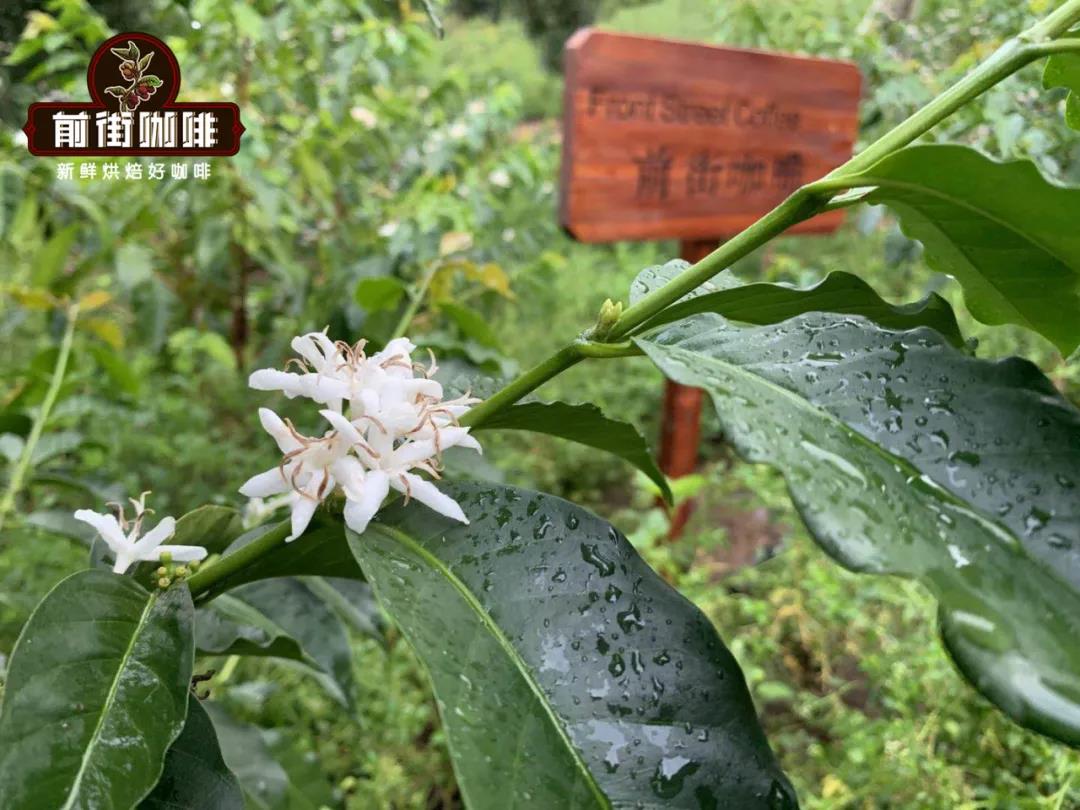
Ultimately, the brand abandoned the plan to grow coffee in Guangdong, renamed itself “Brand Name,” and continued to explore the path of growing specialty coffee while roasting. During this process, the brand visited the Tropical Agriculture Research Institute (abbreviated as Hoti, which houses the Ministry of Agriculture’s coffee germplasm bank), as well as a few farmers engaged in specialty coffee cultivation. Through these visits, they gained deep insights into why Yunnan grows fewer traditional specialty coffee varieties such as Typica and Bourbon. Eventually, by chance, they found suitable land.
Growing high-quality Arabica coffee hinges on altitude — generally, it needs to be above 1,000 meters, and for even better flavor, the altitude should be even higher. However, most mountainous areas in Yunnan barely meet this standard, which is one of the limiting factors for the region's coffee flavors. To overcome this disadvantage, in addition to selecting the right variety, more refined agronomic management is needed. Instead of buying an existing estate, the brand started from scratch, choosing mountainous areas suitable for coffee cultivation and opting for the rare Typica variety in the region — an Arabica type known for its excellent flavor but low yield.
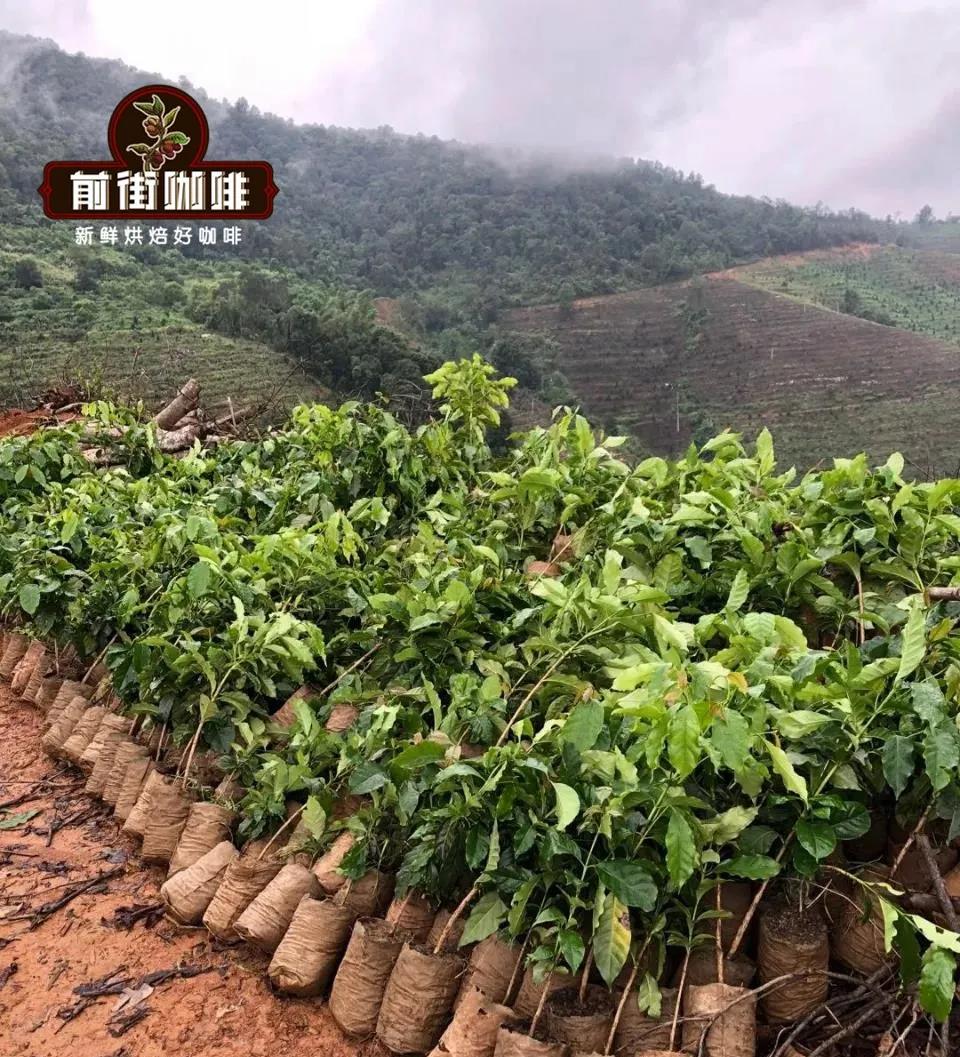
Not only does Typica produce a yield only one-third that of Catimor, but it is also more expensive, and like Bourbon, it is susceptible to rust disease, which is another reason many farmers are reluctant to grow Arabica varieties. Moreover, because Yunnan doesn’t have distinct seasons, only a dry season and rainy season, most producing areas choose to plant coffee seedlings during the rainy season (starting around June). The three to four months of rainfall help nourish the seedlings and establish strong root systems to withstand the long dry season ahead.
Growing coffee from scratch demands tremendous patience and time. It takes three to four years for coffee seedlings to bear fruit for the first time, and even longer for processing method trials and optimization. At minimum, it takes about five years to obtain the first stable yield of coffee beans. After years of variety selection and refinement in processing techniques, the brand finally welcomed its first commercial-scale coffee production in its eighth year.
Currently, most coffee trees in Yunnan belong to a hybrid variety called “Catimor,” commonly referred to as “Yunnan small-sized coffee.” If you want to try the basic flavor profile of the Yunnan region, you can opt for the “Yunnan Small-Sized” series launched by the brand. Catimor originated in 1959 when the Portuguese brought the Brazilian Bourbon mutation Caturra to East Timor and crossed it with Timor, which has Robusta lineage. It boasts strong disease resistance and high yield, making it widely promoted to combat leaf rust and increase productivity.
In comparison, the brand plants pure Arabica “Typica” in its Yunnan estate. Its young shoots are yellow-brown in color, hence it’s also known as “red-tipped coffee.” Although Typica shares nutty and brown sugar notes with Catimor, Typica gives “Brand 2013” a more delicate acidity, slightly lower body, and overall a more balanced and cleaner profile. It is very suitable for coffee lovers wanting to experience premium Yunnan coffee.
In terms of planting altitude for Yunnan small-sized coffee, the main distribution areas include Lincang, Baoshan, Simao, Xishuangbanna, and Dehong. Among these, the Baoshan region has altitudes mostly above 1,200 meters, with an average temperature of around 21.5°C and a maximum reaching 40.4°C. It is basically frost-free year-round and is recognized as the most suitable area for cultivating Yunnan small-sized coffee. The coffee produced here is rich and not bitter, with elegant aroma and non-irritating taste, featuring small and uniform beans with noticeable fruity notes.
For Arabica coffee, 1,200 meters is an important quality threshold. North of Baoshan lies the Gaoligong Mountain Range, which effectively blocks the Siberian cold current. Coupled with the variable weather during the rainy season from June to August — with alternating sun and rain — it forms a unique microclimate conducive to coffee growth.
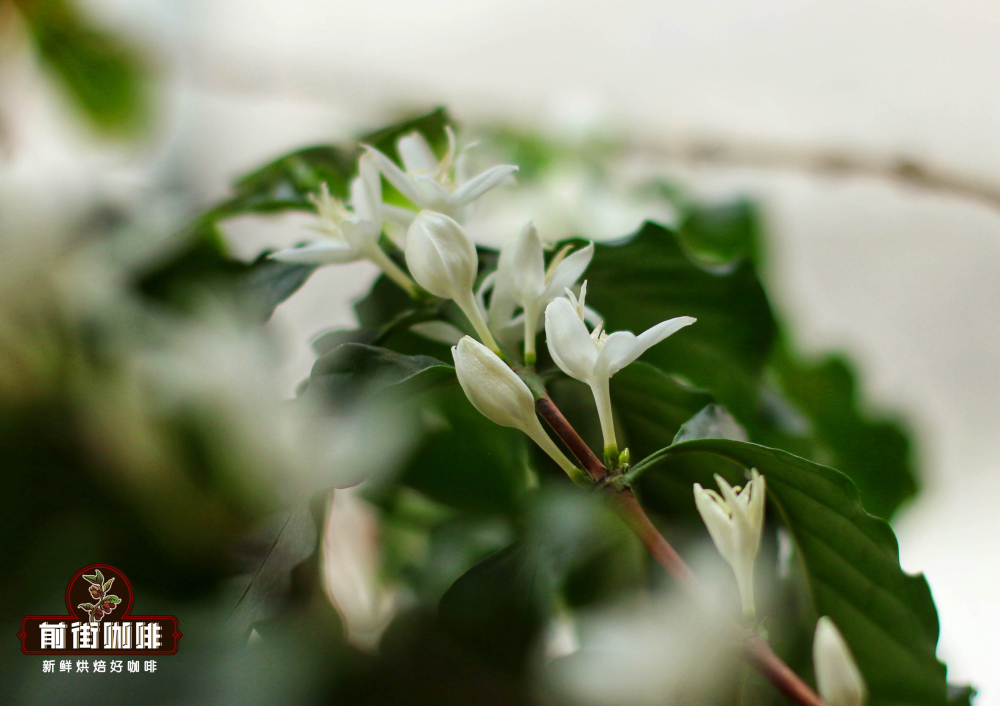
Brand 2013 Natural Typica uses the traditional natural (sun-dried) processing method, but unlike the more crude approaches, in the past, some farmers, in order to improve efficiency, harvested all fruits regardless of ripeness and then sorted out the inferior ones, severely affecting coffee quality. Due to its limited scale, the brand relies on daily maintenance workers for harvesting, picking only fully red cherries to ensure consistent ripeness. The harvested coffee cherries are evenly spread on drying racks with a thickness controlled between two to three layers, and are naturally sun-dried until they turn purplish-red. The perforated design of the drying racks facilitates ventilation, preventing over-fermentation, resulting in this Natural Typica offering a fuller mouthfeel with notes of citrus and berries, along with hints of wine-like aroma and caramel sweetness.
In terms of roasting, the brand refers to the characteristics of the producing region and opts for medium roasting to fully showcase the coffee bean’s sweetness and layered complexity. Below are recommended pour over parameters for enthusiasts’ reference:
Parameters:
- Filter: Hario V60
- Coffee dose: 15 grams
- Water temperature: 90°C
- Grind size: Medium-fine (80% passing through a Chinese standard No. 20 sieve)
- Brew ratio: 1:15
- Brew method: Pour over in stages
The rib design of the Hario V60 filter is curved and varies in length, helping with smooth air release and faster flow rate, resulting in a more distinct flavor layering in the brewed coffee.
Brewing steps are as follows: Start with a 30-second bloom using 30 grams of water, then pour in a small stream centered up to 125 grams and pause. When the water level drops close to exposing the coffee bed, continue pouring up to 225 grams and stop, removing the filter just before the water level exposes the coffee bed (timing starts at bloom). Total brew time is approximately 2 minutes.
Ultimately, “Brand 2013” coffee beans exhibit a rich flavor profile: the dry aroma carries subtle notes of caramel and nuts; the cup opens with chocolate as the dominant note, accompanied by brown sugar sweetness and mild fruity acidity; the finish leaves a tea-like sensation reminiscent of black tea, with an overall balanced and layered expression.

The above content is compiled by CoffeeHunters, a coffee news website.


