








Introduction:Yirgacheffe is often the starting point for many coffee beginners exploring specialty coffee, but its acidity can sometimes be off-putting. In fact, with the right roast level and pour over technique, you can enjoy its captivating floral aroma and sweet aftertaste. This article takes a washed G1-grade Yirgacheffe as an example to help you deeply understand its fruity flavor characteristics, and provides practical V60 three-stage brewing parameters and operational details so you can easily brew a refreshing cup of pour over coffee with balanced acidity and sweetness.
As the birthplace of coffee, Ethiopia has nurtured numerous uniquely flavored coffee varieties, among which Yirgacheffe is a significant representative in the specialty coffee world. This coffee from the Horn of Africa is often described as having bright citrus notes, fresh berry aromas, and delicate floral scents, making it a “classic beginner’s choice” for many coffee enthusiasts. However, many first-time tasters may shy away due to its pronounced fruit acidity, which is actually closely related to the roast degree and brewing method.
Take a washed Yirgacheffe G1-grade bean—Gutiti—as an example. It features a medium-light roast that preserves clear fruity and floral characteristics, with soft acidity and noticeable sweetness, making it ideal for beginners who prefer a clean cup yet want to explore African beans. Such beans usually emit passion fruit and citrus aromas in their dry state, and after brewing, they further reveal berry and honey-like aftertastes, resulting in a rich yet well-balanced flavor profile.
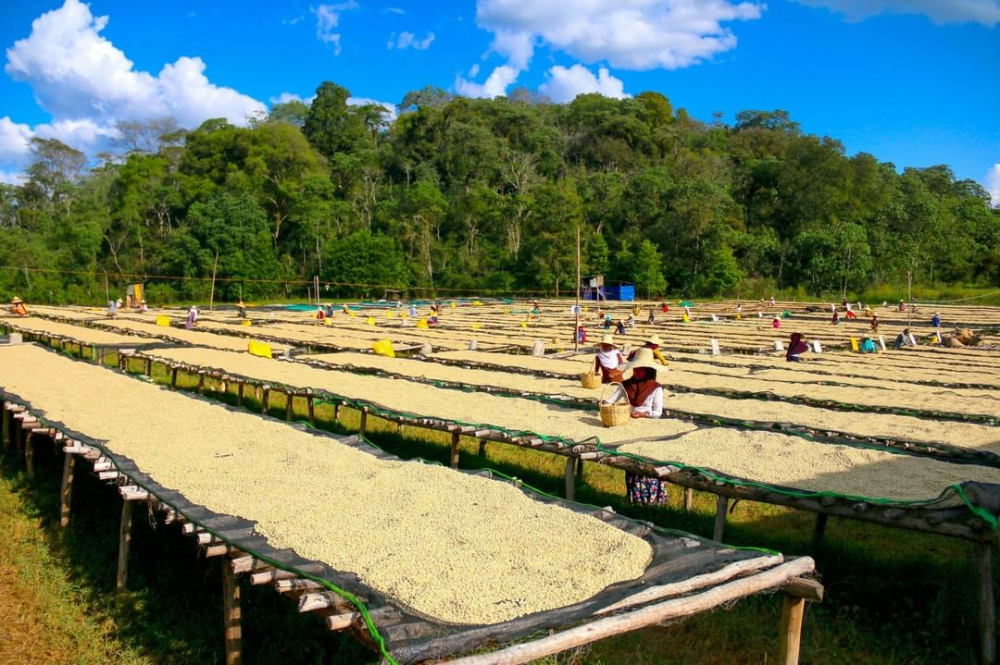
Many people, when first trying Yirgacheffe, often find it “too acidic.” The common reasons behind this usually include two factors: one is the lighter roast level, which retains more acidic compounds; the other is improper water temperature, grind size, or pouring technique during the pour over process, leading to overly prominent acidity or uneven extraction. In fact, once you understand its characteristics and master the appropriate brewing parameters, you can highlight its delicate fruity notes and sweetness, rather than just a sharp acidity.
The dry fragrance of this washed Gutiti offers fresh passion fruit, citrus, and the tangy scent of berries. Once hot water is poured, the wet aroma more distinctly releases citrus fruitiness and berry tones. Upon tasting, the first sensation is the bright acidity of citrus, followed by the natural sweetness of berries, along with subtle almond notes and a tea-like aftertaste, finally ending with a honey-like gentle sweetness. The overall profile is very refreshing, making it ideal for everyday drinking.
If you’re considering choosing a pour over bean suitable for beginners, this G1-grade Yirgacheffe washed bean not only has high cleanliness (meeting Ethiopia’s highest grade standard, with no more than 3 defective beans per 300g of green coffee), but also comes at an affordable price, making it an excellent choice for developing your personal pour over flavor profile.
For this medium-light roasted Yirgacheffe, it is recommended to use a V60 filter cone for pour over, paired with the following tested and effective brewing parameters: control the water temperature between92-93°C, set the coffee dosage to15 grams, with a brew ratio of1:15, and a total water volume of about225 milliliters. The grind size is advised to be adjusted to approximately the size offine sugar, achieving a sieve passing rate of around78%through a No. 20 sieve, ensuring this coarseness balances proper extraction efficiency and flow rate performance.
The specific brewing adopts a three-stage pouring method, divided into three phases: First is thefirst stage—bloom, pouring30 grams of water(scale shows 30g), for about30 seconds. Use a fine stream of water, slowly circling from the center outward, to evenly wet all coffee grounds and initiate extraction. This stage is crucial for releasing the coffee's aroma and initial flavors.

Next is thesecond stage of pouring, adding95 grams of water(cumulative 125g). It is suggested to slightly increase the water flow, pouring in a stable and vertical manner, mainly to allow the coffee bed to expand uniformly and enhance overall extraction efficiency. This stage typically completes in about55 seconds, helping to bring out the mid-palate flavors. Excessively large or fast water flow can lead to over-extraction or unwanted sediment release.
Finally is thethird stage of pouring. When the liquid level drops to about half the height of the filter cone, start pouring the final100 grams of water(totaling 225g). During this phase, it’s recommended to use afine stream and reduce the circling rangeto avoid excessive agitation that might disrupt the coffee bed, affecting later-stage flow rate and extraction uniformity. This pouring phase usually finishes when the total time reaches about2 minutes, after which remove the filter cone and let the coffee drip through completely.
After brewing, it is recommended to gently shake the server to mix the coffee evenly before tasting. This brewing method fully showcases the fruity notes, balanced acidity and sweetness, and smooth aftertaste of the washed Gutiti, making it highly suitable for practicing hand feel and parameter control during the beginner stage of pour over.
In summary, as long as you choose the right roast level, master the appropriate water temperature and grind size, and carefully control the three-stage pouring, even pour over beginners can easily enjoy this G1 washed Yirgacheffe from Ethiopia, experiencing the charm of specialty coffee that is “acidic yet not sharp, sweet yet not cloying.” Why not start with this Gutiti and gradually build your own pour over flavor map?
The above content is compiled by CoffeeHunters, a coffee news website.


