







Introduction:Ethiopia’s Guji region has emerged in recent years as a standout presence on the global specialty coffee map, distinguished by its unique floral and fruity flavor profiles and distinct regional character. This article delves into Guji and its key sub-regions—Hambella, Shakiso, and Uraga—exploring their geography and terroir, tracing how coffee from this area gained independence from the ECX system, and focusing on the processing method of the classic natural-processed bean "Huang Kui" and V60 pour over parameters, offering practical brewing guidance to help you fully appreciate the layered allure of Guji coffee.
Guji, a rising star in Ethiopia’s southern specialty coffee scene, was officially designated as an independent region within the ECX trading system in 2010 due to its highly distinctive floral and fruity flavors. Originally part of the traditional Sidamo region, it is now under the Oromia state. The area generally sits at elevations above 1,800 meters, featuring diverse terrains including high mountains, plateaus, valleys, and plains, along with fertile, deep volcanic soils and natural humus layers that provide ideal nourishment for coffee trees. More importantly, significant diurnal temperature variations slow down the ripening process of the coffee cherries, allowing them to accumulate richer aromatic compounds, giving each sub-region its own unique sense of place.
Among the many notable sub-regions under Guji, Hambella stands out as one of the most representative and is also the birthplace of the internationally renowned “Huang Kui.” Located in a high-altitude zone, most of its coffee plantations sit between 2,100 and 2,300 meters above sea level, with the harvest season typically taking place from November to January each year. Coffees from this area usually exhibit bright floral notes and rich tropical fruit flavors, with a full body and layered complexity. Its unique geographical location, with the 3,200-meter-high plateau separating it from Kochere in Yirgacheffe to the west, contributes to its distinctive microclimate and flavor profile.
Another noteworthy sub-region is Shakiso, which was initially known for gold mining but gradually shifted toward coffee cultivation with the rise of specialty coffee. According to “The Coffee Dictionary,” coffees from Shakiso often present a “sweet lemon-honey tone,” with an overall mild and pleasing flavor. The region’s average elevation ranges between 1,800 and 2,200 meters, with stable climate conditions, making it a favorite among buyers seeking high-quality beans with good value.
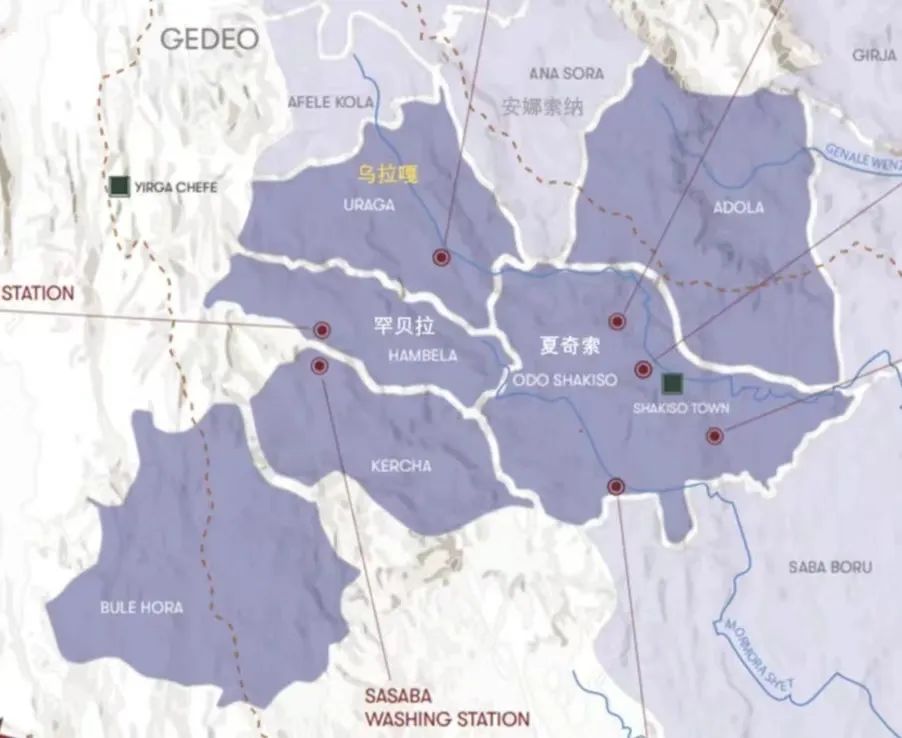
Uraga, the northernmost region of Guji, reaches elevations of up to 2,300 meters and is geographically close to Yirgacheffe, with its soil primarily composed of nutrient-rich black earth. Though it gained market attention relatively late, it began to emerge after its washed coffee won accolades at the 2019 TOH competition. Coffees from this area often feature tea-like qualities alongside rich floral and fruity aromas, with a bright and crisp acidity, a juicy texture, smooth mouthfeel, and moderate body. Its flavor profile lies somewhere between Yirgacheffe and Sidamo, complex and captivating.
Dutch green coffee trader Trabocca conducted a flavor analysis of Guji coffee, noting that citrus fruit aromas were the most prominent, along with common notes of stone fruits, berries, flowers, and chocolate. Overall, the coffee exhibits vibrant acidity and a bright, juicy mouthfeel, typical characteristics of high-altitude Ethiopian beans.
Looking back at Guji’s history, the region was initially categorized under “Sidama A” within the ECX system. It wasn’t until several outstanding beans with exceptional flavors were introduced that it successfully separated from Sidamo, becoming the second region after Yirgacheffe to earn independent origin certification. Located southeast of Yirgacheffe, Guji faces challenging terrain and climate conditions, which have nonetheless given rise to coffees with intense flavors and strong individuality.
When it comes to Guji’s star coffee, “Huang Kui” is undoubtedly one of the representatives. This natural-processed bean comes from the Buku Abel washing station in the Hambella region and first gained fame in 2017 by winning the Ethiopia National Taste of Harvest Competition with its intense strawberry and cream aromas. Later, DW Company established multiple washing stations—including Buku Abel—in the Dimtu area, the core of Hambella, achieving an annual production capacity of 1,100 tons. It’s important to note that only natural-processed beans from the Buku Abel washing station qualify as “Huang Kui.”
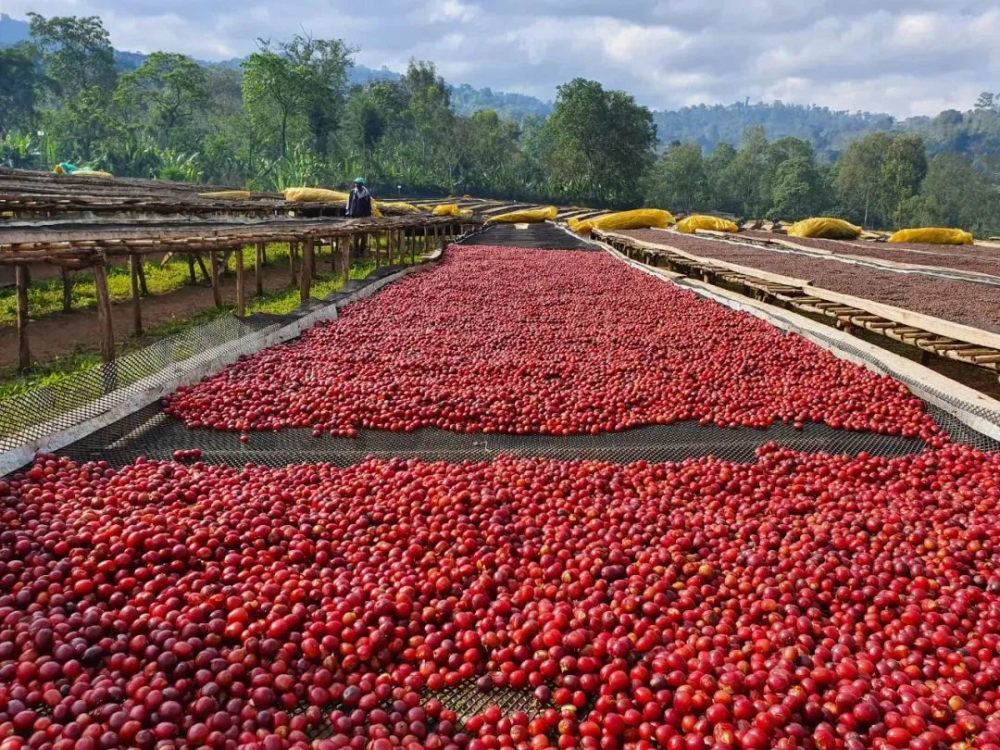
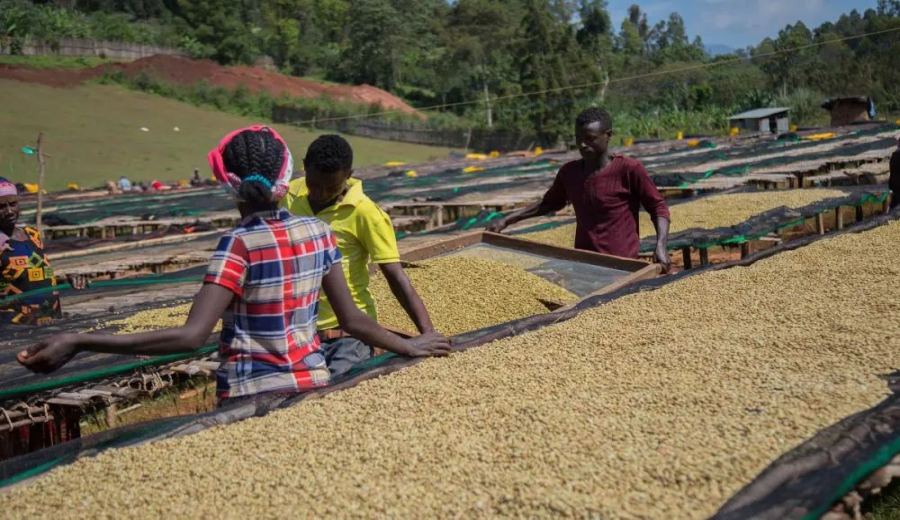
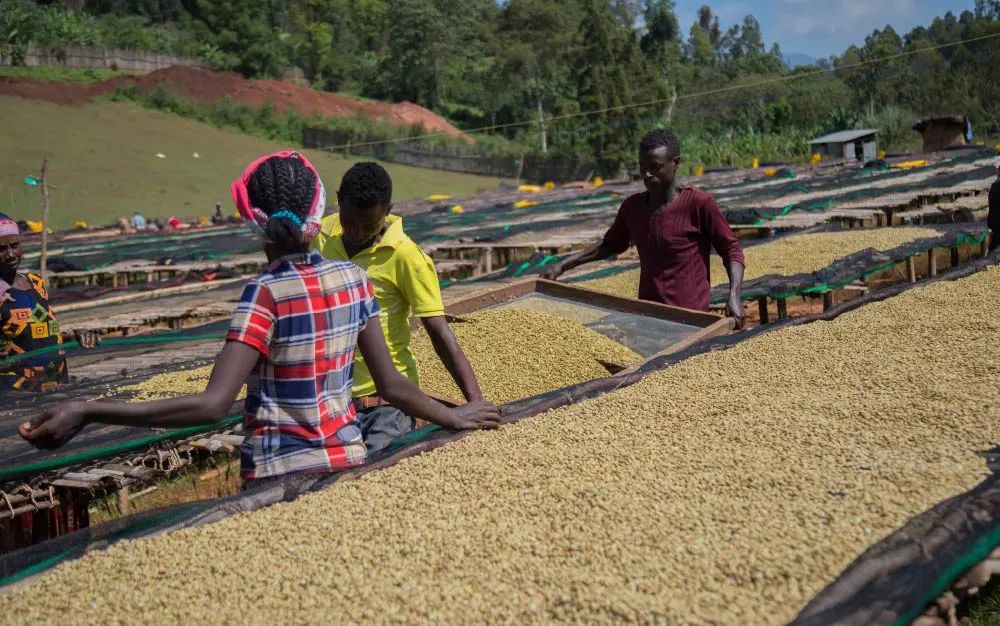
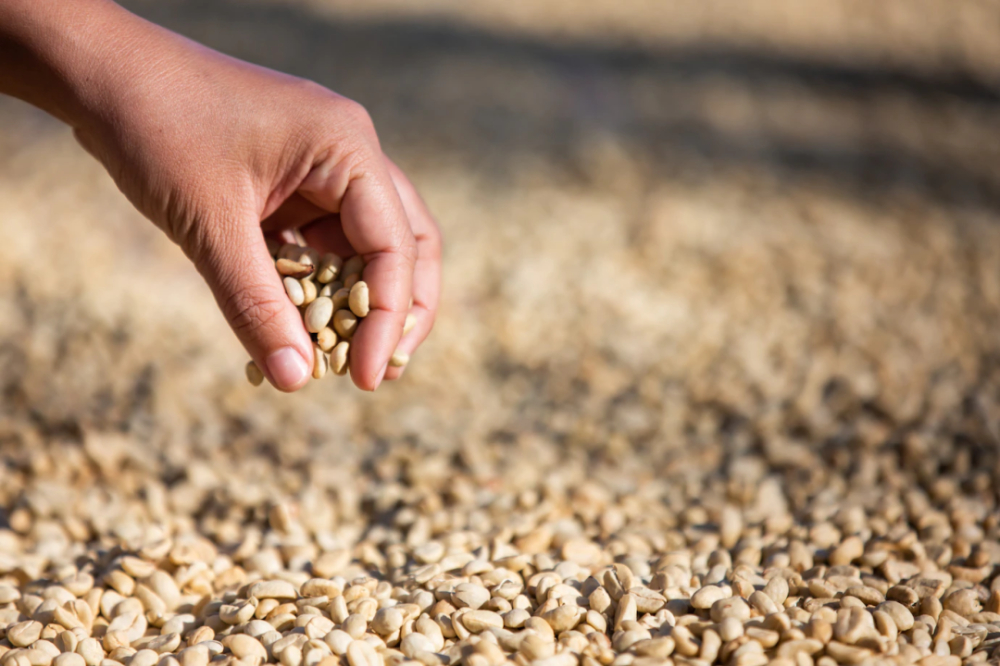
The processing of Huang Kui is extremely meticulous. During the harvest, only fully red cherries are selected, with a sugar content of at least 30, and then placed on African raised beds for about 18 days of sun drying. Local farmers adjust shading and covering measures according to the weather to avoid over-fermentation or rain damage, ensuring even drying of the cherries, with the final green bean moisture content stabilized at 13%. This rigorous processing technique is key to Huang Kui’s rich fruit flavors and full body.
For brewing, a medium-light roast is used to preserve Huang Kui’s floral and tropical fruit characteristics. It is recommended to use a V60 filter cone, with a medium-fine grind (80% through a standard #20 sieve), a brew ratio of 1:15, water temperature at 92°C, and a coffee dose of around 15 grams. These parameters can fully showcase Huang Kui’s layered complexity and vibrant fruit acidity, making it especially suitable for coffee lovers who enjoy bright fruitiness and a smooth mouthfeel.
In practice, it’s advised to start with a 30-second bloom using twice the amount of coffee’s weight in water to initiate extraction. Then, pour water in small streams in a circular motion from the inside out. Pause the pour briefly when reaching 125 grams, allow the coffee bed to settle, then continue pouring to reach 225 grams to complete extraction, keeping the total brew time around 2 minutes. This process reduces the risk of over-extraction and helps balance Huang Kui’s fruity aroma and acidity.
Upon tasting, Huang Kui often presents intense tropical fruit sweetness, such as passion fruit and mango, complemented by the fresh acidity of berries and citrus. The mouthfeel is silky smooth, with a lingering finish reminiscent of black tea, leaving a lasting impression. It is recommended to use freshly roasted beans (within 5 days of roasting, with peak flavor between 4 to 30 days), and observe how the flavor evolves after receiving them to determine the best time for consumption.
The above content is compiled by CoffeeHunters, a coffee news website.


