







Introduction:The washed processing method is the most classic and widely used green coffee processing technique in the specialty coffee industry, creating bright acidity and a clean, clear cup profile. This article delves into the historical background of washed processing, its five core steps, and explores its unique flavor characteristics. It also examines how washed techniques have transformed the flavor profile of Ethiopian Yirgacheffe coffee, and provides practical pour-over parameters and flavor experiences for washed Yirgacheffe—making it an excellent reference for those new to specialty coffee.
Among the various green coffee processing methods, washed processing has long been the industry’s mainstream choice due to its stable quality and outstanding flavor performance. Compared to natural (sun-dried) processing, washed coffee typically exhibits a cleaner mouthfeel, brighter acidity, and more layered flavor complexity. This article will comprehensively explore the mysteries of washed processing from three aspects: its historical origins, the complete five-step process, and its distinctive flavor traits. Using the Ethiopian Yirgacheffe region as an example, it illustrates how washed techniques enhance the overall quality of coffee. Additionally, we’ve compiled pour-over recommendations and flavor descriptions for washed Yirgacheffe, making it a great starting point for coffee beginners.
In the world of specialty coffee green bean processing, washed processing is not only one of the oldest methods but also one of the most widely adopted globally. Through washed processing, coffee beans often present a cleaner mouthfeel, with acidity that is relatively bright and vibrant. For example, many renowned specialty beans from regions such as Ethiopia’s Guji Cooperative, Kenya’s AA, Panama’s Geisha (often called Gesha), and Guatemala’s Antigua frequently employ fully washed or washed-like processing methods to highlight their regional characteristics and clarity of flavor.
Looking back at the evolution of coffee processing techniques, the earliest method was actually traditional natural (sun-dried) processing. This straightforward approach involved placing freshly harvested coffee cherries directly in outdoor courtyards or rooftops to dry naturally under the sun. While requiring almost no additional equipment or cost, this method was extremely weather-dependent; during humid or rainy seasons, the cherries were highly prone to mold or pest infestation, resulting in highly unstable final coffee quality. In fact, prior to Ethiopia’s implementation of a coffee quality grading system, sun-dried processed beans could only be classified up to Grade 3 at best, making it difficult for them to enter the premium market.
As global consumers’ demands for coffee quality increased, traditional sun-dried processing could no longer meet the needs for stable supply and standardized production. In 1740, the Dutch—who dominated colonial-era coffee cultivation and global trade—began experimenting with washed processing techniques in the West Indies. They discovered that soaking depulped coffee beans in water effectively removed the sticky mucilage layer. This not only significantly reduced drying time but also markedly lowered the risks of pest, disease, and mold contamination. As a result, washed beans were regarded as a symbol of high-quality coffee at the time.
By 1844, with the invention of specialized depulpers, the efficiency of washed processing saw a revolutionary improvement. However, washed processing also has notable limitations, the biggest being its extremely high water consumption. Generally, processing 200 kilograms of green coffee beans requires about 10 to 20 tons of water, which means washed processing facilities must be built near water sources. Therefore, while the rise of washed processing brought enhancements in flavor, it was more driven by the practical needs of improving yield quality, stabilizing output, and achieving product standardization. Even today, washed processing remains one of the most common and popular coffee bean processing methods in the market.
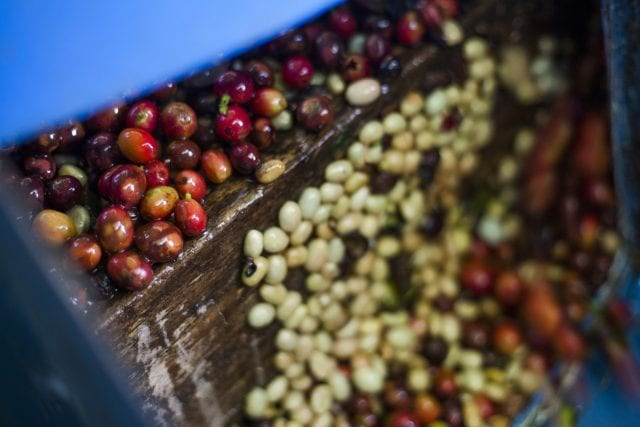
The washed processing procedure can be roughly divided into five main steps, each of which plays a key role in the final quality and flavor of the coffee. First, after harvesting, the coffee cherries undergo a flotation process, where they are placed in water and unripe or less dense cherries are screened out based on buoyancy. Next, specialized scraping machines are used to remove the outer skin and pulp, leaving a slippery layer of mucilage on the bean surface. To remove this mucilage, workers place the parchment-covered beans in fermentation tanks for about a full night, allowing naturally occurring acids during fermentation to break down the mucilage, making it easier to detach from the bean.
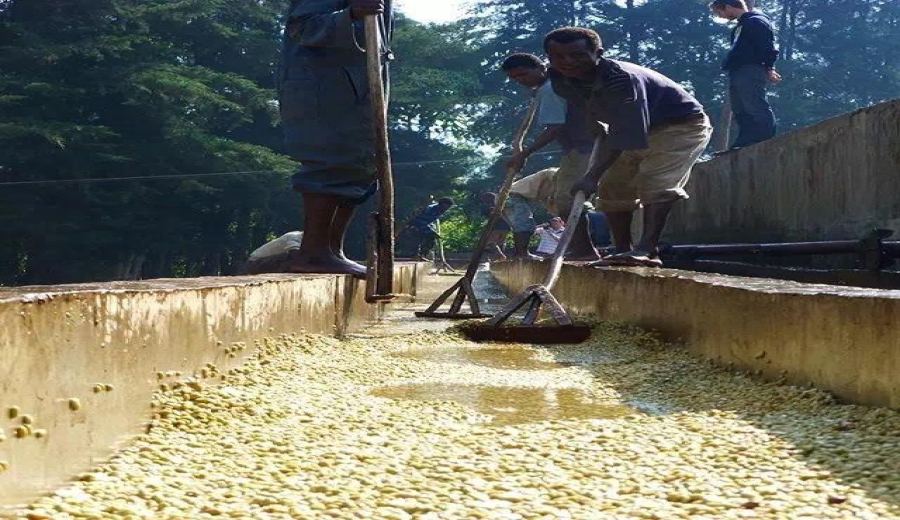
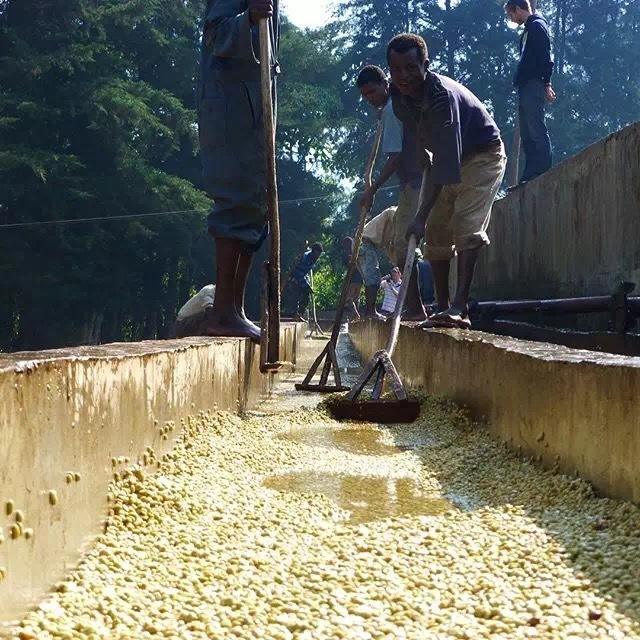
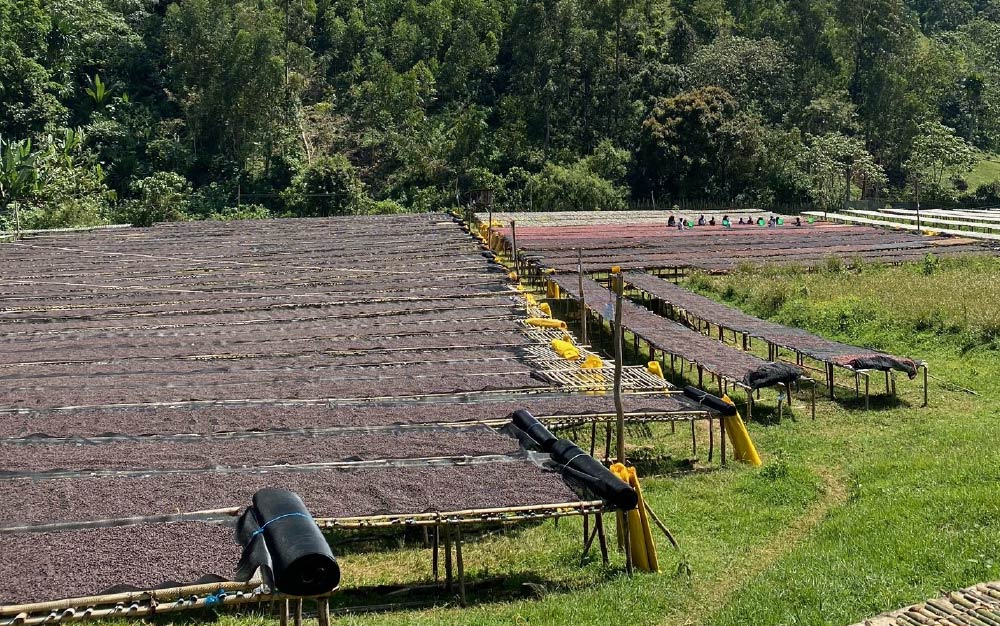
After fermentation, although most of the mucilage has been removed, some residue remains. Therefore, manual or mechanical washing with running water is required for 30 to 60 minutes to ensure the beans are thoroughly cleaned. This stage also uses water flow and specially designed channels to naturally eliminate lighter, lower-quality beans. Finally, the cleaned parchment beans are evenly spread on drying racks or specialized nets until their moisture content drops to the target standard, after which they can proceed to storage and export.
Each step of the washed processing method not only precisely screens out defective beans, significantly reducing the rate of substandard product, but also results in a final coffee with higher stability and consistency in flavor. Since the outer layer of the coffee bean is no longer covered by pulp during drying, the resulting cup offers a cleaner, brighter acidity and better highlights the unique terroir characteristics of a single origin. If you want to deeply understand a region’s “terroir expression,” washed batches are usually the best choice for faithfully reflecting its local characteristics. Take Ethiopian Yirgacheffe as an example—the washed coffee from this region often features fresh jasmine floral notes, citrus and lemony tones, along with a honey-like sweet finish, making it a classic flavor loved by many coffee enthusiasts.
It’s worth mentioning that although Ethiopia is the birthplace of coffee, due to its relatively water-scarce geography, the traditional method has mostly been natural (sun-dried) processing. However, this method is highly susceptible to environmental factors, and beans often absorb earthy flavors or suffer from uneven fermentation, affecting overall quality. To improve this, the Ethiopian government introduced advanced washed processing techniques and equipment from Central and South America in 1972. This technological innovation significantly changed the flavor profile of Yirgacheffe coffee, showcasing a cleaner citrus tone and elegant white floral notes, with an overall brighter and more delicate expression. As a result, Yirgacheffe stood out from the former Sidamo region and became the globally renowned and beloved star origin it is known as today.
If you’re just getting into specialty coffee, washed Yirgacheffe is an excellent choice for beginners. It’s recommended to use a V60 dripper for pour-over, with water temperature controlled at 92–93°C, around 15 grams of coffee, and a coffee-to-water ratio set at 1:15. The grind size can be similar to that of fine sugar, or you can use a #20 sieve to achieve about 78% extraction. During brewing, start with a 30-second bloom using 30 grams of water, then pour approximately 95 grams of water (for a total of around 125 grams) within about 1 minute; when the water level drops to two-thirds of the coffee bed, add the remaining 100 grams of water (for a total of about 225 grams), with the total brew time around 1 minute and 35 seconds. Once dripping is complete, remove the dripper and enjoy a cup of bright, clear Yirgacheffe.
The resulting pour-over cup of washed Yirgacheffe typically presents distinct jasmine floral notes, a refreshing citrus and lemon acidity, followed by a honey-like sweetness on the palate. As the cup cools, berry, cream, and sugarcane notes emerge in the aftertaste. With a clean mouthfeel and well-defined layers, it’s a classic representation of the washed processing method’s charm.
The above content is compiled by CoffeeHunters, a coffee news website.


