







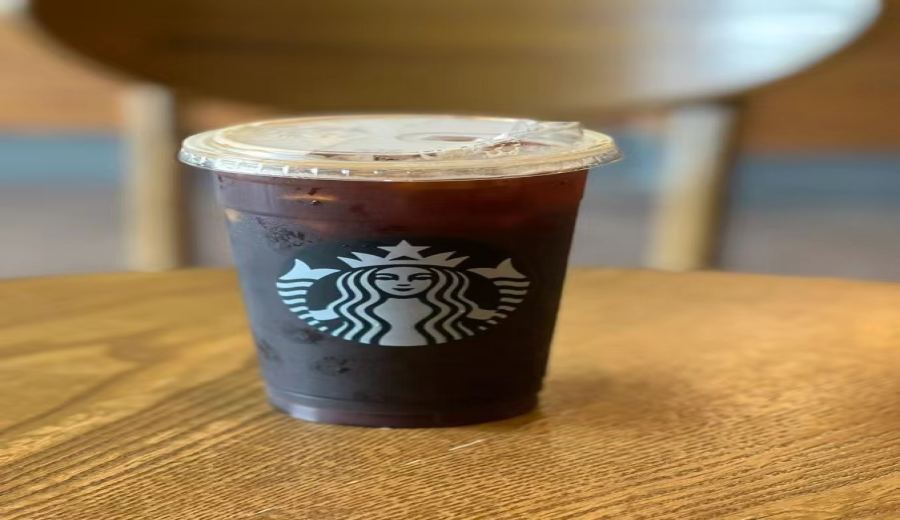
Introduction:Americano is the first step for many people entering the world of freshly ground coffee. What seems like a simple "espresso with water" actually involves the art of extraction ratios, bean variety pairing, and flavor balance. This article delves into the reasons behind the popularity of American black coffee, its historical background, common brewing methods, and provides a detailed breakdown of how different beans express their flavors. It also offers practical bean selection advice and home brewing parameters to help readers find their perfect cup.
American coffee can be considered the starting point for many beginners exploring freshly ground beverages. It’s not only common in chain brands like Starbucks but also widely available on the menus of all types of cafés. Though its basic composition is simply espresso diluted with hot water, it involves numerous details such as bean selection, roast level, extraction method, and flavor blending. Why is Americano so popular? Aside from being easy to make and affordable, its low calorie content and energizing effect are also key factors.
Historically, the birth of Americano is tied to the period when American soldiers were stationed in Italy during World War II. The intense and quickly extracted flavor of Italian espresso was too strong for the American troops, so they began adding hot water to dilute it, creating a more palatable drink. The Italians called this modified coffee “Americano,” meaning “American,” and it eventually spread worldwide, becoming the well-known American black coffee we know today.
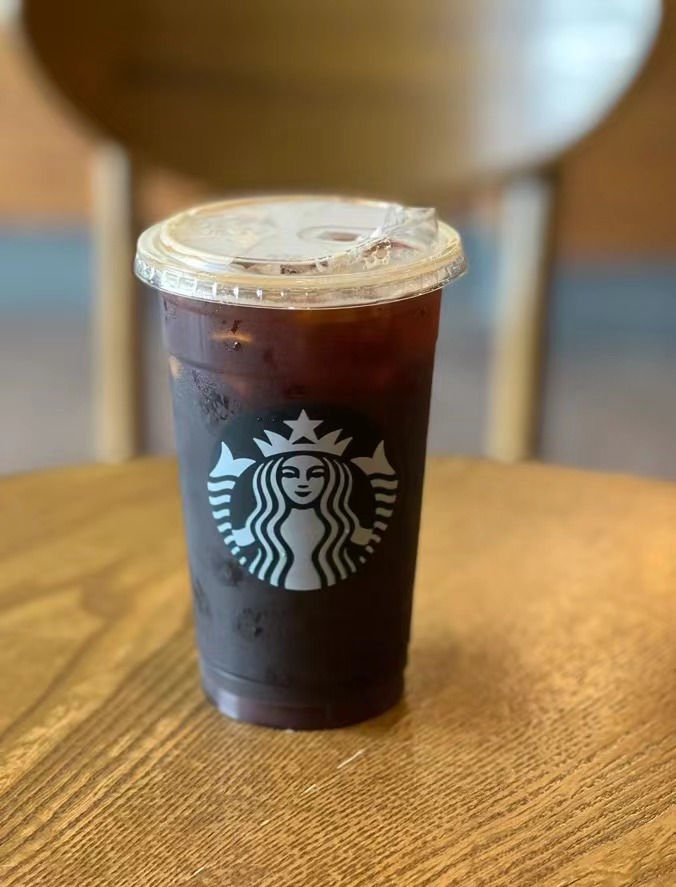
The long-standing popularity of American coffee in the market can be attributed to several key advantages. First, it’s quick to prepare, making it ideal for the busy modern lifestyle—whether you’re on your way to work or taking a lunch break at the office, you can easily get a cup to perk you up. Second, since most shops use medium-to-dark roasted blends, costs remain relatively stable, and blending techniques help achieve balanced flavors and consistent mouthfeel, ensuring a certain level of quality in every cup. Additionally, compared to pour over or cold brew single-origin coffees, Americanos are more affordable, making them an economical choice for daily coffee drinkers.
Moreover, American coffee has extremely low calories—almost negligible—which makes it suitable for those pursuing a healthy diet or controlling calorie intake. The caffeine helps boost alertness and promotes kidney function, offering a mild diuretic effect. For some individuals, it may also aid in reducing swelling and supporting metabolism. However, because caffeine stimulates stomach acid secretion, it’s recommended to consume it in moderation on an empty stomach to avoid discomfort.

When it comes to how Americano is made, it essentially involves diluting one or more shots of espresso with hot water. A common standard ratio is 1 part espresso to 3–5 parts hot water, but this can be flexibly adjusted based on personal taste preferences. Large chain brands like Starbucks typically use finely ground medium-to-dark roasted blends, extracting a strong coffee liquid under high pressure, then adding varying amounts of hot water depending on cup size—for example, 1 shot for a medium cup, 2 for a large, and 3 for an extra-large.
In terms of bean selection, most shops opt for medium-to-dark roasted blends or darker to ensure stable and bold flavors. Blends are usually made by combining beans from different regions in specific proportions to complement each other’s flavor weaknesses, resulting in a rich and layered taste. In contrast, Americanos made with single-origin beans may showcase more pronounced fruit acidity and unique regional characteristics, but the overall mouthfeel might be lighter, and the flavor consistency less reliable than that of blends.
If you want to brew a consistently flavorful and high-quality Americano at home, choosing the right blend for espresso is key. It’s recommended to select a professionally blended, freshly roasted coffee bean mix to ensure optimal flavor expression during extraction. Freshly roasted beans are best used within 5 days of roasting to retain the most flavor details and full oils, which is especially important for espresso extraction.
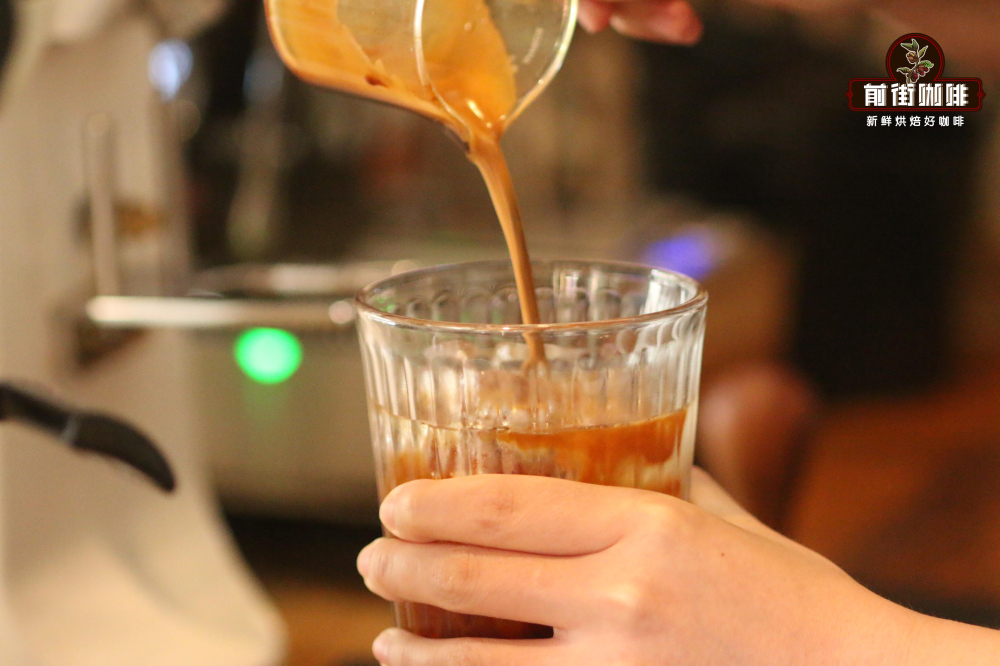
In practice, it’s suggested to use about 20 grams of coffee grounds, extracting with a 1:2 coffee-to-water ratio (yielding 40 grams of espresso) using grind size adjusted to your equipment—typically ranging from medium-fine to very fine. Extraction pressure should be maintained at 9–10 bar, water temperature controlled at 90–96°C, and extraction time around 25–30 seconds. After pulling the shot, adjust the strength to your liking by adding about 180 grams of hot water, or make an iced Americano with 100 grams of ice and 150 grams of room-temperature water for a different flavor experience.
In summary, the charm of American black coffee lies in its simple yet nuanced preparation method. Whether brewed at home or enjoyed at a café, mastering bean selection, extraction ratios, and brewing details will help you find your ideal cup. From its historical roots to modern consumption habits, Americano is not just a daily beverage but also an important bridge connecting coffee cultures.
The above content is compiled by CoffeeHunters, a coffee news website.


