








Introduction:Many coffee beginners often wonder: can you add milk to Americano? And what are the flavor differences between Americano and espresso? This article delves into the origins and preparation methods of Americano, compares the similarities and differences between Americano and espresso in terms of bean selection, brewing techniques, and flavor profiles, and explores the workings and practical parameters of espresso machines—helping readers gain a more comprehensive understanding of the characteristics and pairing possibilities of these two types of coffee.
Can you add milk to Americano? This question may seem simple, but it often leaves novice coffee enthusiasts hesitant. In fact, Americano is essentially made by diluting espresso with water at a certain ratio, and whether or not to add milk largely depends on personal taste preference. Many people worry that adding milk might ruin the original flavor of Americano, but as long as the proportion is right, milk can soften the acidity and bitterness of the coffee, making the overall taste smoother—especially suitable for those who aren’t used to strong coffee flavors.
So, what exactly is the difference between Americano and espresso? Beyond the brewing method, the two also vary significantly in coffee bean selection, flavor profiles, and extraction techniques. Espresso is typically characterized by high concentration and richness, often using blended beans to enhance crema and layered mouthfeel, whereas Americano places more emphasis on overall balance and drinkability, with a relatively simpler brewing method. Understanding these differences can help you more accurately choose the type of coffee and beans that suit your taste.

The history of Americano dates back to World War II. At the time, American soldiers stationed in Italy were unaccustomed to the strong local espresso, so they began adding water to dilute it, aiming to recreate a taste similar to the drip coffee they were familiar with back home. This preparation method wasn’t widely adopted in Europe and was even seen as the “American version” of coffee—hence the name “Americano.” To this day, most coffee shops around the world still prepare Americano by adding water to espresso, with a water-to-coffee ratio typically ranging from 1:4 to 1:8, adjusted according to the shop’s preference and the beans used.
In the era before coffee machines became widespread, traditional drip-style Americano was mainly found in home or office settings. Nowadays, with the prevalence of espresso machines, diluting espresso with water has become the most mainstream method of making Americano. However, whether this approach is good or bad largely depends on the coffee beans used. If the beans have a weak flavor or are roasted too dark, even dilution may not make them palatable—this is one of the reasons early Americano was often criticized as “bad-tasting.”
Compared to Americano, the definition of espresso is much clearer—it generally refers to the highly concentrated coffee liquid extracted by an espresso machine, known for its intense flavor and rich crema. Through high-pressure extraction, espresso fully releases the aroma and flavor compounds in the beans, which is why milk-based coffees like lattes and cappuccinos are all based on espresso. These milk-added beverages are also collectively categorized as extensions of “espresso.”
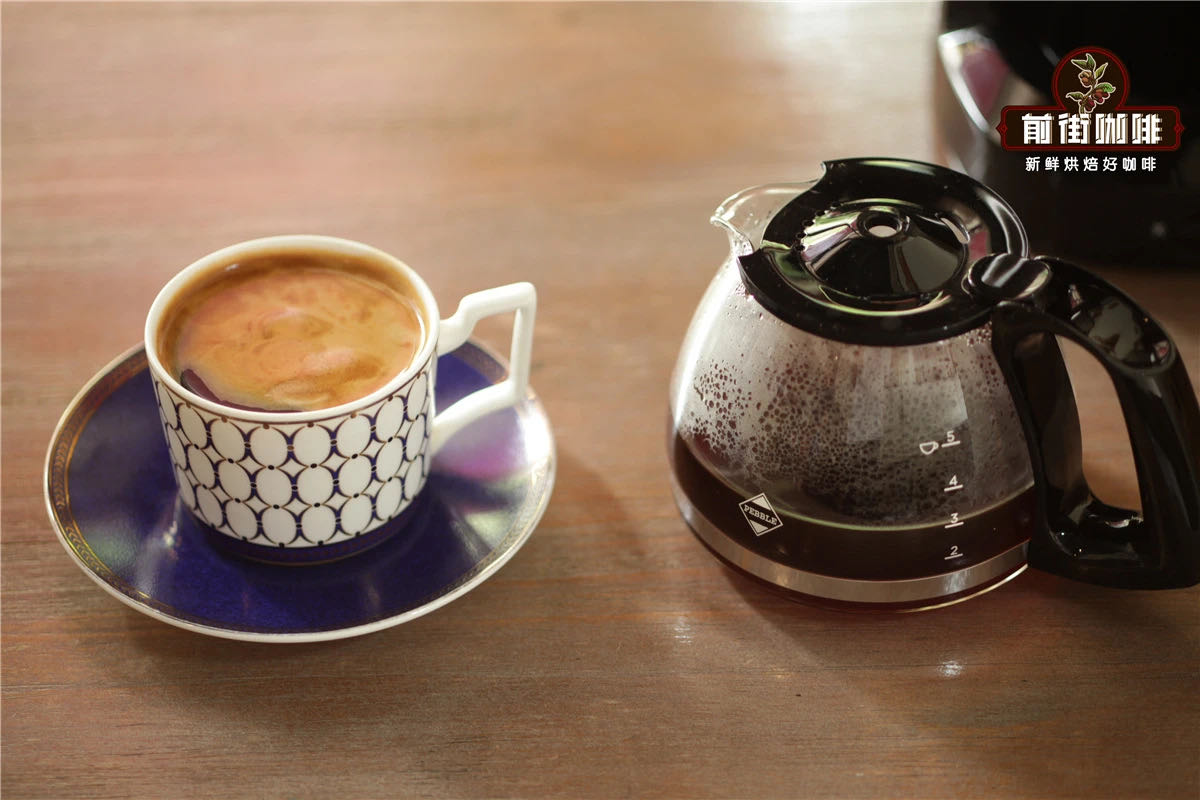
Interestingly, different blending strategies can greatly influence the flavor profile of espresso. For example, some blends include a small amount of Robusta beans to enhance body and crema, but this may also increase bitterness; other blends emphasize layered flavors and sweetness, suitable for drinking straight or with light milk. Some blends used long-term by certain cafes may, due to special processing methods (such as sherry cask fermentation or natural sun-drying), exhibit distinct wine-like or fruity notes—these subtle details are often the key to why customers fall in love with a particular coffee.
Extraction parameters are equally crucial. Take a common espresso shot, for example: it typically uses about 20 grams of coffee grounds to extract around 36 grams of coffee liquid, with an extraction time controlled between 25 to 30 seconds. This ratio achieves a good balance of concentration and flavor. However, in practice, baristas adjust parameters based on bean characteristics, grind size, machine pressure, and other conditions to achieve optimal extraction. This is also why the same beans can produce vastly different flavors across different cafes.
So, how does an espresso machine work? Its core lies in the synergy between the pump, boiler, and group head. Water is first supplied from a reservoir or direct plumbing, then pushed through a pump that generates pressure, forcing the water through a high-temperature compacted coffee puck. Modern machines commonly use either vibratory pumps or rotary pumps—the former creates pressure pulses of about 60 times per second via an electromagnetic piston, while the latter produces stable high pressure through a rotating mechanical disc. These designs all aim to ensure water uniformly penetrates the coffee layer, extracting a rich array of flavor compounds.
The boiler’s role isn’t just heating—it also maintains a stable extraction temperature. Different models feature single-boiler or dual-boiler designs, with the latter allowing separate control of steam and extraction temperatures, which is especially important for cafes that need to froth milk and pull shots simultaneously. Though these mechanical details may seem intricate, they are the key factors influencing the quality of every cup of coffee.

In summary, whether or not you can add milk to Americano doesn’t have an absolute answer—it ultimately depends on personal preference and the beans used. If you prefer a smoother, gentler taste, adding a moderate amount of milk is perfectly fine; if you’re after the original flavor of espresso, it’s recommended to drink it straight without milk. As for espresso, its charm lies in the diversity of extraction variations and blending creativity—from rich commercial blends to nuanced specialty blends, each type of bean has its own unique expression.
No matter which type you choose, understanding the principles of extraction and the characteristics of the beans can give you more direction when enjoying coffee, and help you make more suitable choices based on your taste preferences. After all, the appeal of coffee lies not just in its flavor, but also in the process of exploration and experimentation.
The above content is compiled by CoffeeHunters, a coffee news website.


