







Introduction:Take an in-depth tour of four renowned coffee farms under Panama’s Kotowa family, exploring everything from their historical backgrounds to processing methods to fully understand the unique sources of their flavors. This article focuses on the natural-process Catuaí from Duncan Estate, detailing its planting altitude, processing approach, and flavor profile, and provides a pour over tasting note at a medium-light roast level—guiding you through its floral, fruity, and fermented complexity from dry aroma to the first sip.
The Kotowa family in Panama began their coffee legacy in the late 19th century, and today they own seven coffee farms. Among them, Finca Duncan, Don K Estate, Finca Rio Cristal, Finca Tradicional, and Finca Las Brujas are highly praised by coffee enthusiasts. This article will take you through this century-spanning coffee journey, exploring the stories behind each estate, and taking an in-depth look at the natural Catuaí from Duncan Estate—from its growing environment and processing techniques to its final flavor expression, offering you a comprehensive understanding of this coffee.
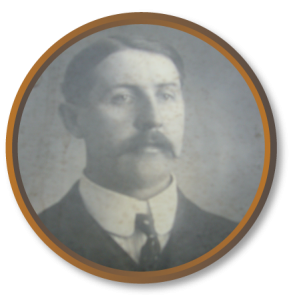
The origin of the Kotowa brand can be traced back to Alexander Duncan MacIntyre, a Canadian born in 1873. In his early years, he and his elder brother Joseph were engaged in fruit trading before entering politics. Alexander even became the youngest mayor of Port Alberni. In 1916, Joseph purchased a farm called Finca Carolin in the Boquete region of Panama. Although they did not reside there for long, Joseph was deeply impressed by the land. Inspired by reports, Alexander moved to Panama in 1925, married a local woman named Angela, and renamed the farm La Carolina, thus planting the first seed of the Kotowa family’s coffee business.
Finca Caturra is located at the foot of Barú Volcano in western Panama. This area not only boasts rich vegetation and a unique microclimate but also offers an exceptionally promising coffee-growing environment thanks to its altitude and volcanic soil. The high-altitude region experiences significant day-night temperature variations, and the moisture from the Atlantic condenses into rainfall on the 2500-meter slopes, allowing coffee trees to grow steadily with ample sunlight and water, laying the foundation for the intense flavor of the coffee cherries.
Today, Finca Caturra has been passed down to the third generation and is managed jointly by Ricardo Koyner and his daughter Victoria. Ricardo is not only one of the founders of the Panama Specialty Coffee Association (SCAP) but also served as its first president, dedicated to enhancing the international competitiveness of Panamanian coffee. He officially named the family farm Cafe Kotowa Farms, preserved the coffee processing facilities left by his grandfather, and introduced roasting equipment and a brand storefront, bringing the "Kotowa" brand to the international market.
The Kotowa brand currently includes seven farms, five of which are well-known: Duncan Estate, Don K Estate, Finca Rio Cristal, Finca Tradicional, and Finca Las Brujas. Two newer farms, Mango and Redondo, have not yet released commercial coffee. The brand name “Kotowa” originates from the Ngäbe language of the indigenous people, meaning “high mountain,” symbolizing its uniquely advantageous growing location. The brand logo is inspired by the Gnobe Bugle (also known as Guaymíes), the main ethnic group involved in coffee harvesting in the area, reflecting respect for local culture.
The names of the estates each carry family memories: Duncan Estate commemorates Alexander himself; Don K Estate pays tribute to his father Richard Koyner, with “Don” being a Spanish honorific; Finca Las Brujas is named after the sound of the stream, which resembles a witch’s whisper; and Finca Rio Cristal was so named because its river surface sparkles like crystal in the sunlight. These names not only carry family sentiment but also give each estate a unique personality.
The featured natural Catuaí from Duncan Estate is planted at altitudes between 1650 and 1750 meters, within a typical high-altitude growing zone. To ensure coffee quality, the estate only harvests coffee cherries that have reached a wine-red stage of ripeness, and processes them promptly to avoid over-fermentation affecting flavor. For processing, the natural (sun-dried) method was chosen. Through prolonged sun exposure, the sugars and flavor compounds in the pulp fully penetrate the seeds, resulting in a coffee with a richer sweetness and more complex layers.
In terms of roasting and flavor profile, a medium-light roast was selected to preserve the coffee’s floral-fruity notes and caramel sweetness. In the dry aroma stage, subtle floral scents can be detected alongside intense dried fruit and red grape notes. Upon tasting, the flavors of ripe Kyoho grapes and plums are clear, accompanied by a sweet aftertaste reminiscent of honey. As the cup cools, hints of hawthorn acidity and the richness of brown sugar gradually emerge. The overall flavor is balanced and dynamic, making it an excellent choice for pour over lovers who enjoy fruity and fermented profiles.
The above content is compiled by CoffeeHunters, a coffee news website.


