







Introduction:Jamaican Blue Mountain coffee has long been hailed as one of the world’s top-tier coffees—not only is it exorbitantly priced, but the market is also rife with counterfeits, making it difficult to obtain the genuine article. This article delves into the unique flavor profile of Blue Mountain coffee, including its pronounced sweetness and exceptional balance, while also providing an in-depth look at key knowledge points such as origin altitude, barrel packaging, grading systems, and pour over parameters. With this comprehensive guide, whether you’re a novice or a coffee enthusiast pursuing precision extraction, you’ll be able to master the correct approach to selecting and brewing Jamaica Blue Mountain No. 1.
When it comes to the most iconic premium coffee in the world, Jamaican Blue Mountain coffee is undoubtedly among the top. This specialty coffee from the Caribbean island nation not only commands consistently high prices, but also remains shrouded in mystery due to its limited production and scarcity of authentic beans. However, with more and more legitimate channels introducing it in recent years—such as the Jamaica Blue Mountain No. 1 coffee beans from the Clifton Estate in the Blue Mountains—coffee lovers can now enjoy this legendary brew through trusted sources.
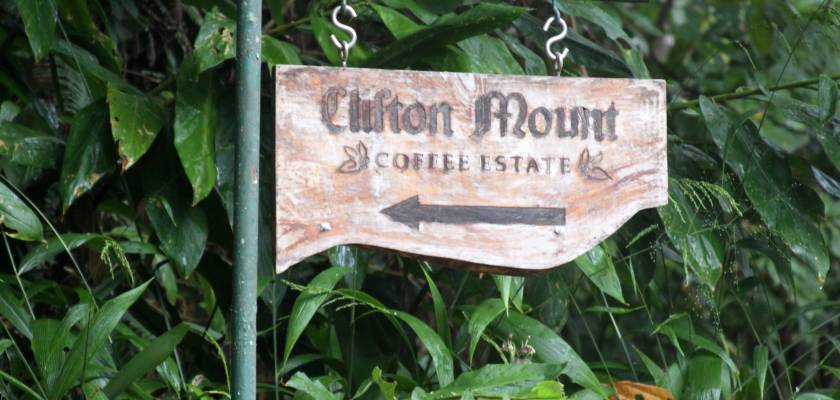
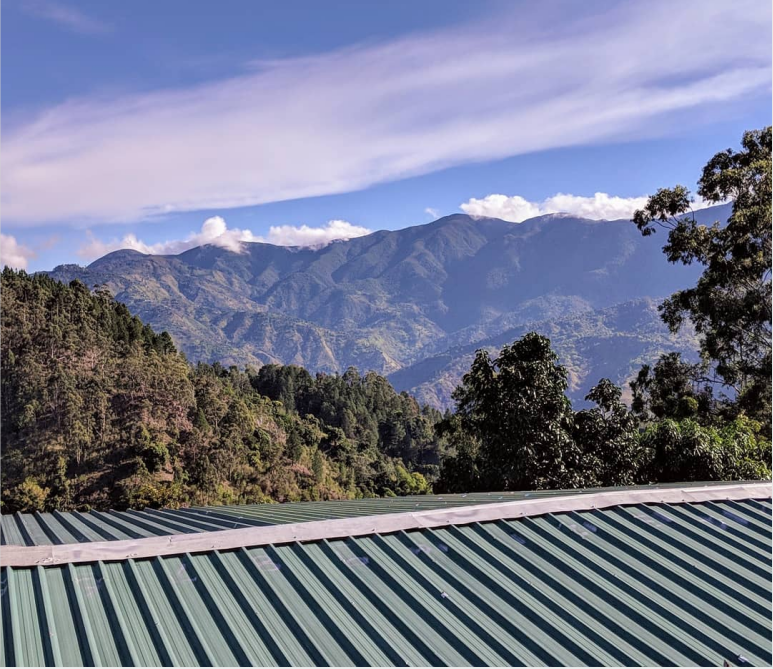
Among them, the Clifton Estate has been cultivating coffee in the Blue Mountains since 1720, making it one of the oldest coffee plantations in the region. With an average altitude of about 1310 meters, it lies within the highest elevation range for coffee cultivation in the Blue Mountains. It’s worth noting that the Jamaican government strictly limits commercial crop cultivation above 1700 meters in order to conserve the natural environment, meaning that Blue Mountain coffee is actually produced within a specific altitude bracket.
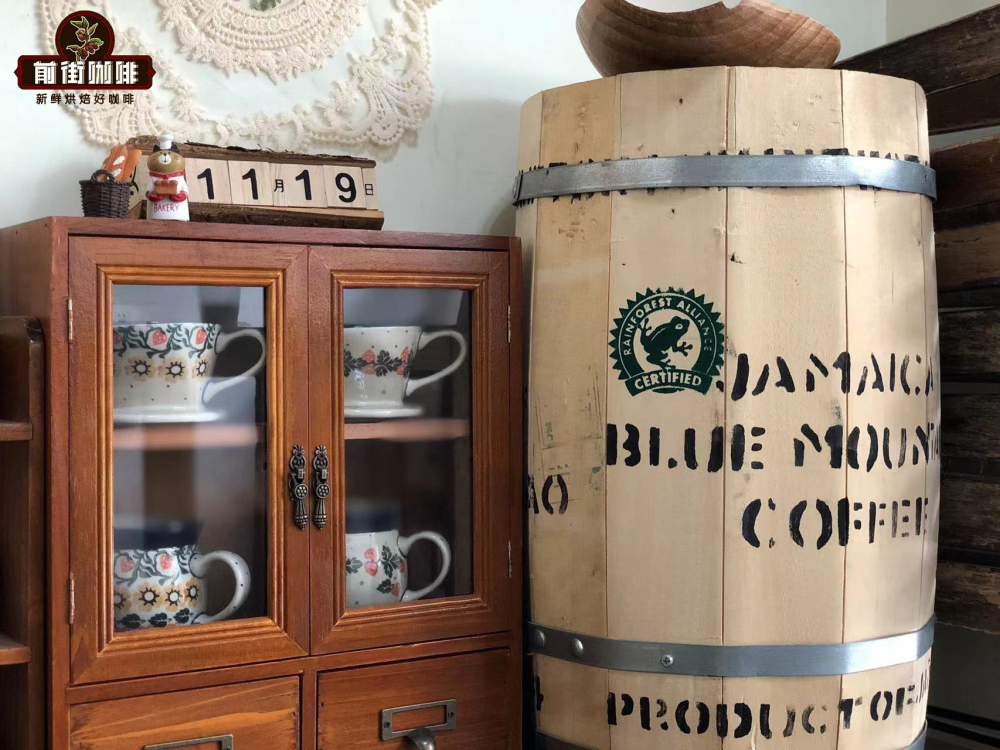
 In addition, the Clifton Estate is the only coffee producer in Jamaica to have received certification from the international Rainforest Alliance. To earn this certification, farms must adhere to rigorous sustainability criteria, including ecological conservation, biodiversity maintenance, reduced pesticide use, and the protection of labor rights. As a result, its Blue Mountain coffee barrels bear the iconic green frog logo—an important identifier of authenticity.
Speaking of packaging, many consumers may not know thatJamaica is the only coffee-producing region in the world that still ships coffee beans in wooden barrels.Compared to the commonly used burlap sacks, wooden barrels not only offer better protection for the beans, but also serve as a key indicator of the authenticity of Blue Mountain coffee. Furthermore, the Jamaica Coffee Industry Board enforces strict export controls, with every batch of compliant Blue Mountain coffee accompanied by official certification documents to ensure its origin and quality. With the backing of these barrels and certificates, consumers can purchase genuine Blue Mountain coffee with greater peace of mind.
According to the official Jamaican classification, only coffee grown between 910 and 1700 meters above sea level qualifies as “Jamaican Blue Mountain coffee.” Coffee grown between 460 and 910 meters is classified as “Jamaican High Mountain coffee,” while anything below 460 meters can only be called “Jamaican Prime coffee.” Blue Mountain coffee itself is further divided into three grades: Blue Mountain No. 1, Blue Mountain No. 2, and Blue Mountain No. 3. Among these, Blue Mountain No. 1 requires 96% of the coffee cherries to be size 17 or larger, with a defect rate of no more than 2%, making it the highest grade and the most commonly imported variety on the market.
The coffee variety grown in the Blue Mountains is Typica, which was introduced from Martinique in the early 18th century. Under the island’s unique volcanic soil and microclimate conditions, it gradually developed stronger adaptability and disease resistance—particularly greater resistance to coffee berry disease compared to standard Typica. Thanks to fertile soil, stable temperatures, ample rainfall, and high-altitude cultivation, Blue Mountain Typica exhibits an exceptionally balanced acidity, sweetness, and bitterness, along with a clean and crisp flavor and a distinctive gentle sweetness—key factors behind its global acclaim.
 To fully showcase the richness and balance of Blue Mountain No. 1, roasting plays a crucial role. Many professional roasters extend the yellowing phase and choose to drop the beans just before the start of the second crack, achieving a medium-dark roast level that retains moderate acidity while highlighting rich sweetness and a full-bodied mouthfeel. This roasting strategy allows Blue Mountain coffee to maintain its unique finesse and layering even at darker roast levels.
As for pour over brewing, it is recommended to usea Kono dripper with shorter ribs.The design feature of this dripper is that its vent slots only extend to one-third of the cup wall. When the filter paper fits tightly, an upper semi-sealed space forms, effectively slowing down the water flow and thus extending the overall extraction time. It is advised to use a medium-coarse grind (measured with a Chinese No. 20 sieve, with approximately 70% passing rate), and to brew withwater at 88–89°C,using a1:15 coffee-to-water ratio,in order to fully highlight the delicate flavors and rich body of Blue Mountain coffee.
During actual pour over, you can adopt the classic three-pour method: start by pouring 30 grams of water at 0:00 for a 30-second bloom; then pour in small circles up to 125 grams, wait for the liquid level to drop by roughly half, and continue pouring in the same manner up to 225 grams, with total brew time landing around 2 minutes and 10 seconds. This process steadily releases the coffee’s aroma and layers, showcasing the signature sweetness and balance of Blue Mountain coffee.
In summary, Jamaican Blue Mountain coffee holds an irreplaceable position in the global specialty coffee market due to its rarity, distinctive flavor, and stringent grading system. From altitude restrictions of the origin, identifying features of wooden barrel packaging, to grade classifications and precise pour over recommendations, understanding these details will help enthusiasts make smarter choices when selecting and brewing Blue Mountain coffee, and truly experience the allure of this legendary brew.
The above content is compiled by CoffeeHunters, a coffee news website.


