







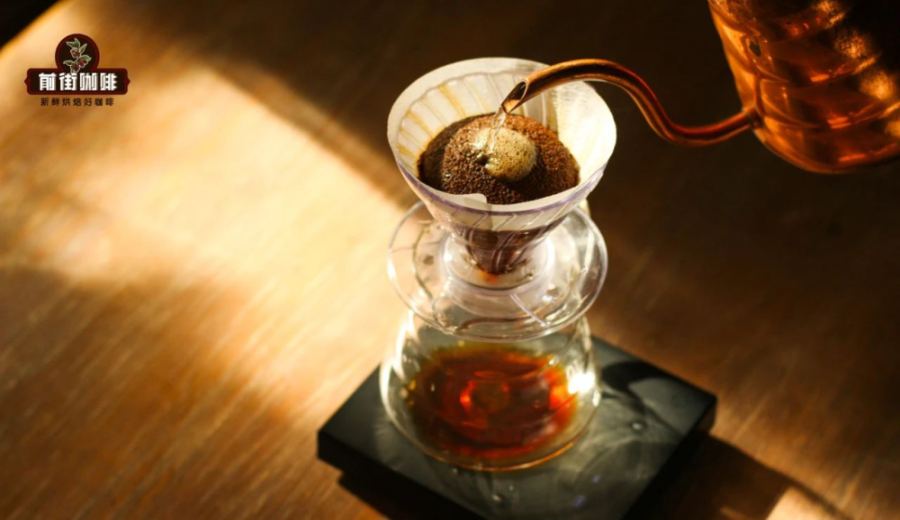
Introduction:Want to brew a pour over coffee with distinct flavor layers and pronounced sweetness? This article delves into the practical techniques of the "high sweet water level," covering everything from principles and suitable conditions to segmented pouring details — helping you master the trick to making your coffee flavors more three-dimensional. It also recommends Arabica coffee bean varieties well-suited for this method, along with complete V60 three-stage pouring parameters and step-by-step instructions, perfect for coffee enthusiasts looking to improve their pour over skills.
In the world of pour over coffee, the "high sweet water level" is a frequently mentioned yet often misunderstood technique. In reality, the concept is not complicated — it mainly involves controlling water level height and pouring methods to make the coffee’s sweetness more prominent and to bring out a richer flavor profile.
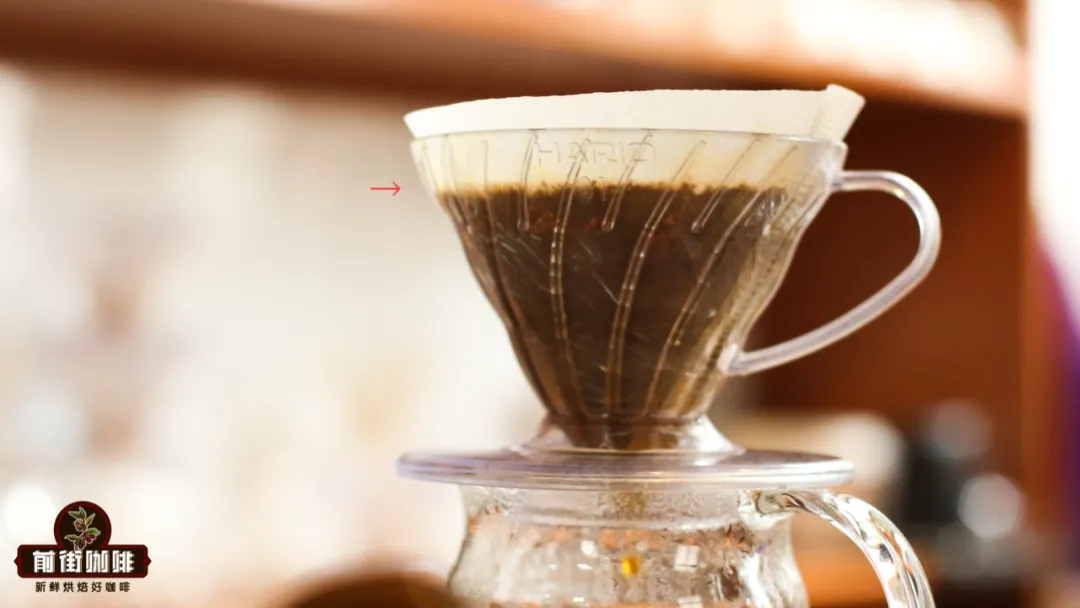
The so-called "high sweet water level" refers to maintaining the water level at about two-thirds of the filter cone’s capacity during the brewing process. This water level helps prolong the contact time between water and coffee grounds while promoting the extraction of more flavor compounds, especially those related to sweetness.
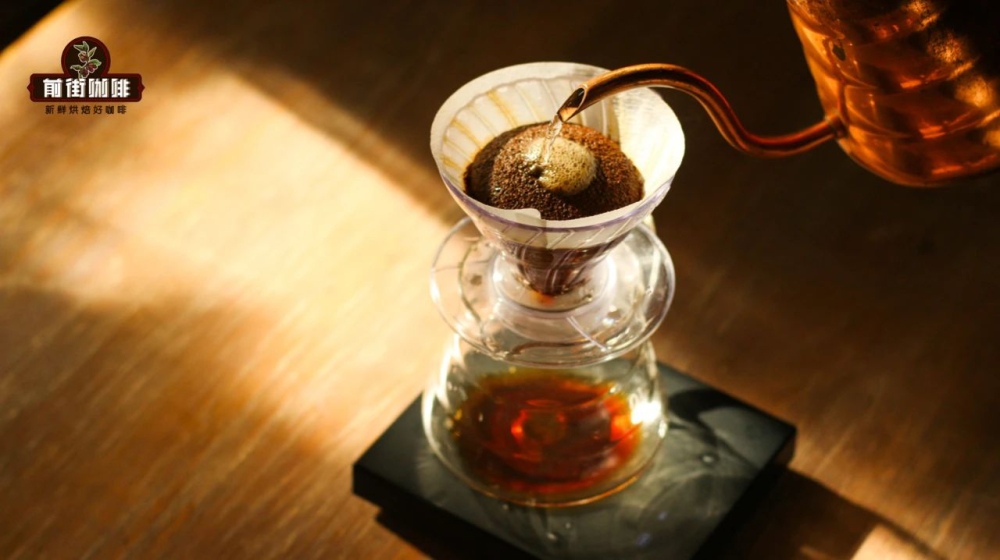
Many coffee lovers often encounter issues such as flat-tasting coffee, lack of highlights, or even an overly flat coffee bed after brewing. In such cases, adjusting the water level might bring unexpected improvements. By controlling the water level, you can change the structure of the coffee bed, thereby affecting the speed of water flow and the efficiency of extraction, ultimately resulting in different textures and flavor expressions.
However, successfully applying the high sweet water level technique is not as simple as just raising the water level. Without appropriate pouring strategies and equipment matching, it could backfire. For instance, if you use a light roast coffee bean with a denser density — where the particles are compact and tightly structured, making them less likely to float as the water level rises — forcibly increasing the water level might cause the hot water to bypass the coffee grounds layer and flow quickly through gaps in the filter cone, leading to under-extraction and compromising the overall flavor.
This kind of uneven extraction caused by bypass water (i.e., water that flows directly into the server without fully contacting the coffee grounds) is a common issue many beginners overlook when trying the high sweet water level. Therefore, observing changes in the coffee bed is crucial. If you notice that the coffee bed doesn’t rise with the water level, you should immediately adjust the pouring speed — it’s recommended to switch to a smaller stream to ensure water uniformly penetrates the entire coffee bed, avoiding over-extraction or under-extraction in certain areas.
To fully leverage the potential of the high sweet water level, besides pouring techniques, choosing the right coffee beans and equipment is equally important. It’s recommended to select single-origin Arabica beans with distinct floral and fruity notes — such as those with flavors of strawberry, peach, lychee, tropical fruits, or fermentation aromas. These types of beans typically have good synergy with the high sweet water level technique, highlighting sweetness and layering.
When it comes to equipment, a conical filter cone is the top choice. Compared to flat-bottom or fan-shaped cones, the conical design allows the same amount of coffee grounds to form a thicker coffee bed, influencing water flow speed and extraction paths, which helps bring out more complex flavor structures. Additionally, filter cones like the V60 with multiple ribs can effectively guide water flow and reduce the occurrence of channeling.
For actual operation, it’s recommended to use a 1:15 coffee-to-water ratio, with water temperature controlled between 90°C and 93°C, and adjust grind size slightly based on the bean’s roast level and flavor characteristics. A medium-fine grind (such as Ek43 grinder setting 10, about 75%–80% passing rate through a #20 sieve) serves as a good baseline for achieving optimal extraction balance.
Below is a set of practical three-stage pouring parameters and steps, suitable for using a V60 filter cone and the aforementioned recommended coffee beans:
Coffee Beans: Ethiopia Huila Flower Queen (or other high-aroma single-origin Arabica beans)
Coffee Dose: 15 grams
Grind Size: 75%–80% passing rate through a #20 sieve, Ek43 setting 10 (medium-fine)
Coffee-to-Water Ratio: 1:15
Water Temperature: 92°C
Step 1: Bloom
Pour 30 ml of hot water, bloom for 30 seconds, to help release CO₂ from the coffee grounds and lay a good foundation for subsequent extraction.
Step 2: First Pour
After blooming, pour 120 ml of hot water at a speed of about 6 ml/sec in a wide circular motion, aiming to finish within 20 seconds. This stage allows the coffee grounds to fully expand and form a bowl-shaped coffee bed.
Step 3: Second Pour
Once the water level drops, focus the pour on the center of the coffee bed and continue adding about 75 ml of hot water. At this point, reduce the water flow speed to about 4 ml/sec and extend the pouring time to ensure even extraction, keeping the total brew time around 2 minutes and 15 seconds.
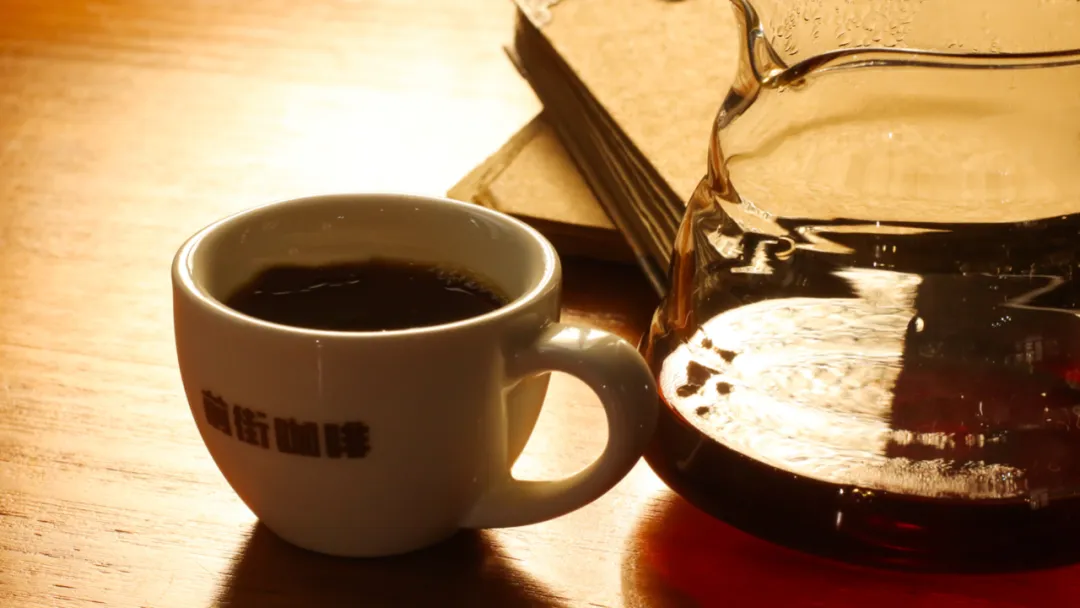
Once done, remove the filter cone and enjoy a pour over coffee with pronounced sweetness and rich layers. Common flavor notes include orange blossom, strawberry, citrus, cream, honey, with an aftertaste of oolong tea and lasting berry notes. The mouthfeel is smooth with a long-lasting finish.
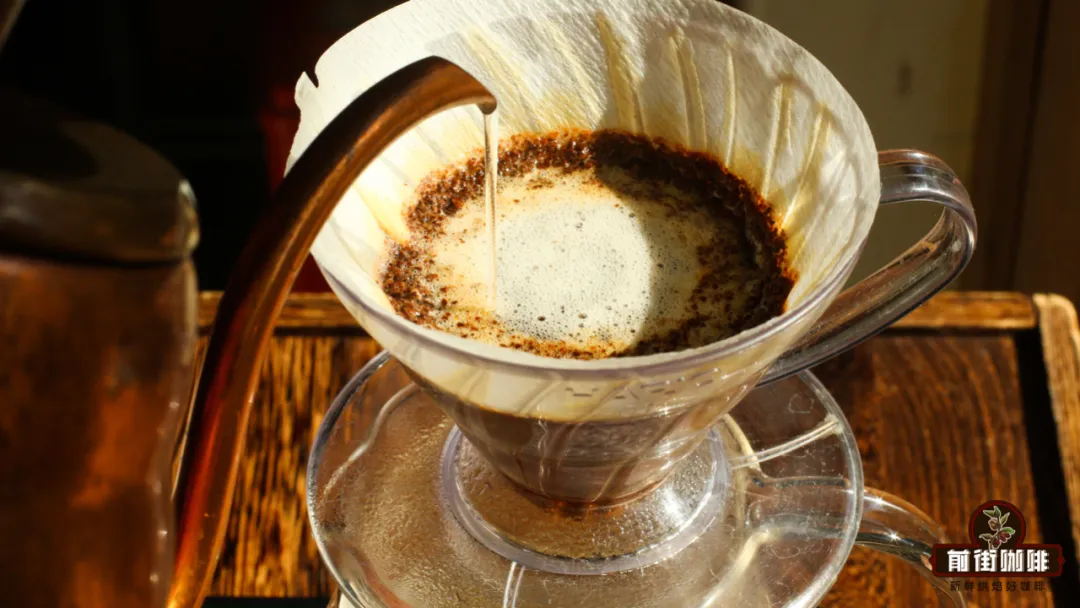
Although this approach may seem similar to standard pour over procedures, precise control over water level and pouring rhythm allows for a noticeably enhanced flavor layering and a stronger sense of sweetness. Whether you're a beginner or a seasoned enthusiast seeking refinement, you can find inspiration here to elevate your brewing quality.
The above content is compiled by CoffeeHunters, a coffee news website.


