








Introduction:Want to make a latte with a beautiful latte art pattern, but always get stuck at the first step? Though latte art may seem difficult, mastering just a few key techniques is all it takes—even beginners can gradually create clear and pretty heart shapes. This article will break down each detail step by step, from developing espresso crema, steaming fresh milk to the right texture, blending methods, and the process of pouring a heart shape. It will help you build a solid foundation from scratch, while also analyzing how coffee bean selection and resting time affect latte art outcomes—so you can grasp all the essential beginner points in one go.
Have you ever watched a barista effortlessly wiggle the pitcher in a café, creating exquisite patterns in the cup, and silently admired them? But when you try it yourself, you can’t even produce the most basic white dot. In reality, latte art isn’t only about talent—if you master a few core steps, anyone can gradually create stunning patterns. This article will introduce in detail the practical techniques from espresso crema, steamed fresh milk, to blending and pouring patterns, helping you make steady progress from the basics.
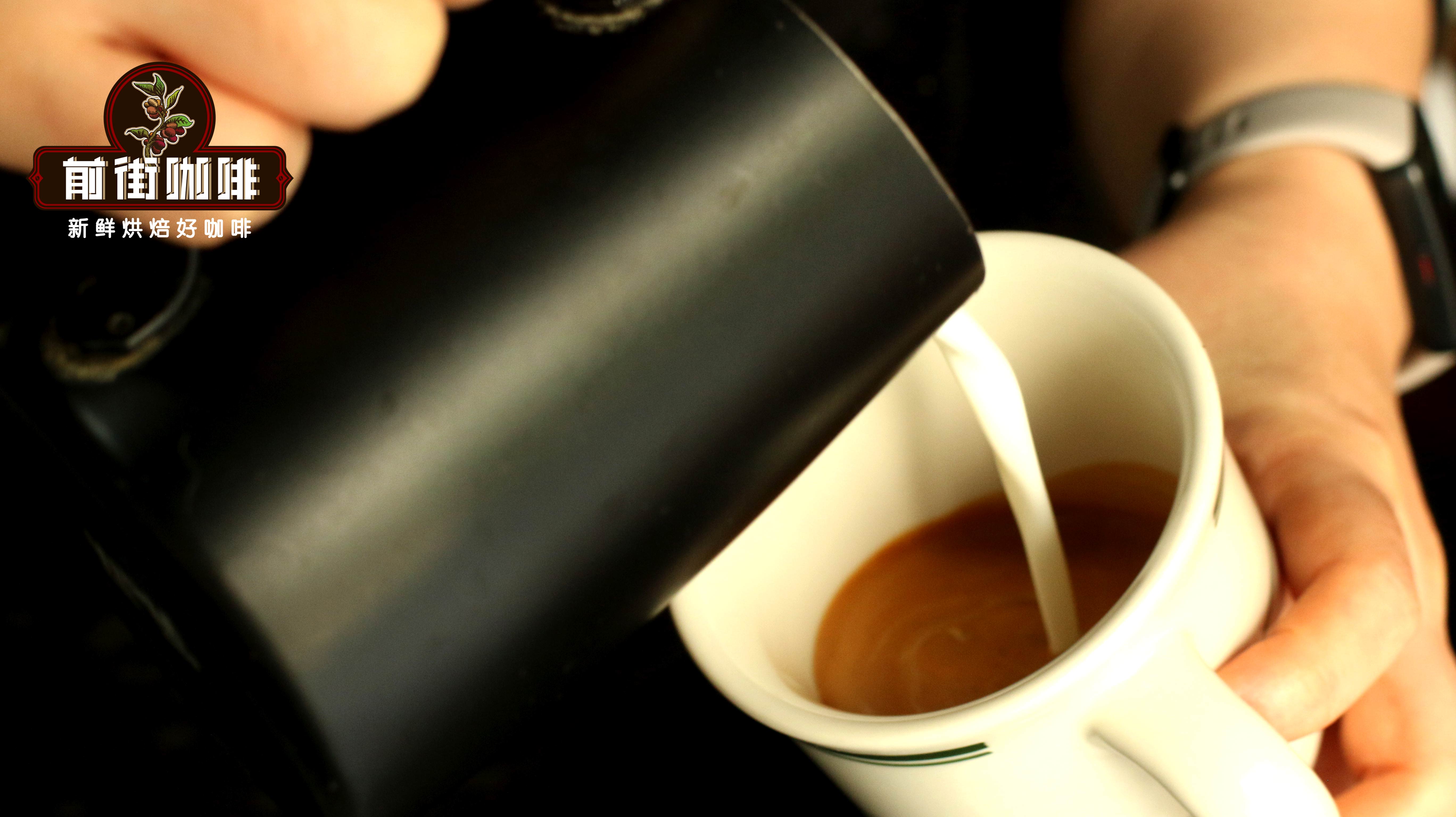
Watching professional baristas pour latte art is always breathtaking: they steadily hold the cup while maneuvering the pitcher, using rhythmic wrist movements to make the design gradually emerge on the coffee surface. However, when it’s your turn, you often can’t even produce the simplest white dot. This doesn’t necessarily mean you lack talent—it may just be that you’ve overlooked a few key elements.
A latte art latte that combines beauty and taste relies on four fundamentals: First is the crema layer from the espresso, which not only affects visual appeal but also determines whether the milk foam can integrate stably; second is the fine, stable foam created from fresh whole milk; third is the technique of evenly blending coffee and milk; and lastly, the most crucial factor, is the technique and steadiness when pouring the pattern. Additionally, maintaining a calm mindset, without rushing or frustration, is also an important element for success.
Crema: The Key Role of Espresso
The crema on the surface of espresso is not only a visual highlight but also directly impacts latte art performance. A rich, fine, and golden crema usually indicates that the coffee beans are fresh and properly roasted. To achieve high-quality crema, it’s recommended to choose medium-dark roasted espresso blends—for example, those combining the creamy and nutty notes of Brazilian beans, the spicy aroma of Mandheling, and some recipes may even include a small amount of Robusta to enhance body and crema volume.
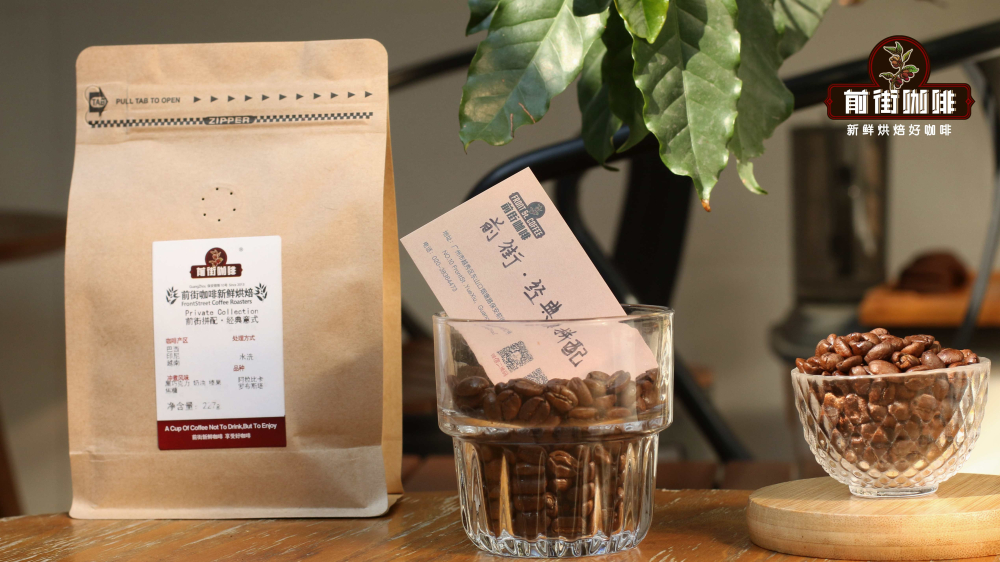
After roasting, coffee beans continue to release carbon dioxide, which affects crema formation. Although freshly roasted beans are rich in CO₂, if not properly rested, this may lead to overly thick and coarse crema, which in turn hinders milk foam flow and integration. Generally, it’s advised to rest espresso beans 7 to 10 days(stored in packaging with a one-way valve), allowing CO₂ to release steadily. At this point, the extracted espresso typically achieves optimal crema condition and fluidity. Additionally, extraction parameters such as grind size and water temperature may need fine-tuning based on the actual state of the beans.
Milk Foam: The Key to Stability and Fineness
To create milk foam suitable for latte art, using fresh whole milk is essential. The proteins in fresh milk (especially whey and casein) and milk fat are key to forming stable foam. When steaming, use the steam wand to aerate and heat the milk. It’s recommended to control aeration time within 2 to 3 seconds, inserting the steam wand about 1 cm below the milk surface. Once you hear a distinct “hissing” sound, submerge the wand deeper, to about 2 to 3 cm, and adjust the angle to form a whirlpool. This stage is for heating and refining the foam. The final foam thickness should reach about 1 cm, with a fine texture and good fluidity.
Blending: The Perfect Union of Coffee and Milk
Before pouring latte art, blending coffee and milk is crucial. Blending not only affects pattern presentation but also directly determines the taste and flavor of the drink. First, evenly swirl the milk foam and milk in the pitcher to avoid separation. Then, hold the pitcher about 5 to 8 cmabove the cup rim, tilt the coffee cup at a 45-degree angle, and steadily pour the milk foam into the coffee while gently rotating the cup to guide surface movement and prevent foam from concentrating in one spot. During blending, maintain a steady flow rate and avoid hitting the cup walls, ensuring the overall liquid surface has a uniform color with no obvious white foam residue.
Heart Shape Latte Art: Start Practicing from Basics
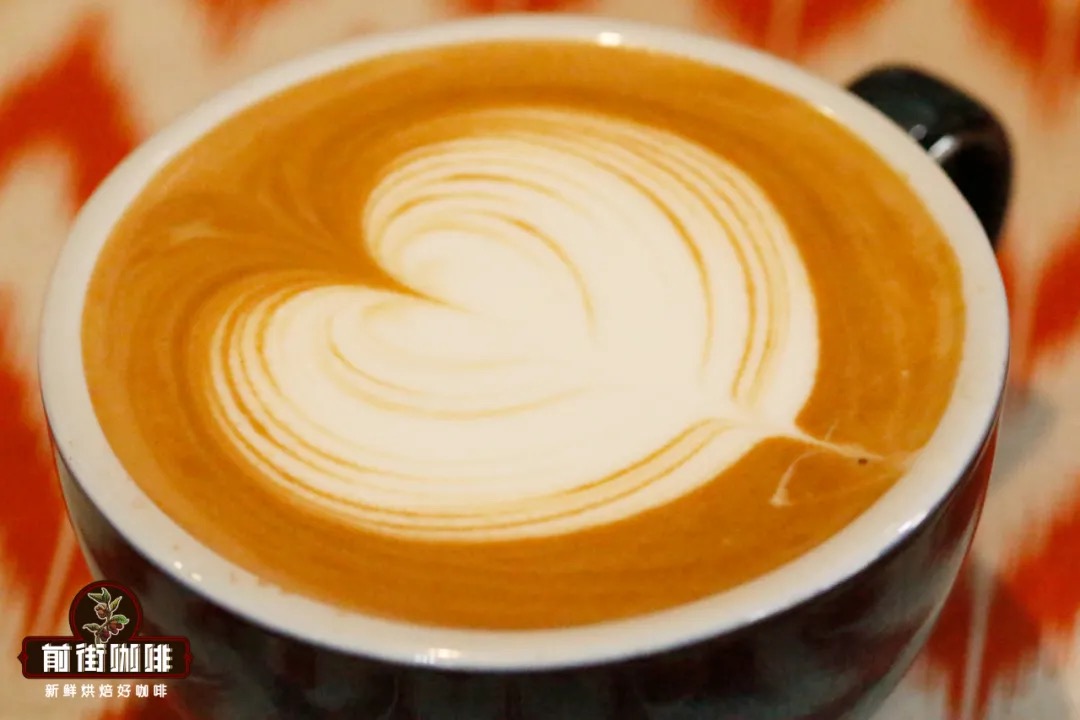
When the coffee is about seven-tenths full after blending, you can start creating the heart shape. First, bring the pitcher close to the cup rim, pour milk foam from the center of the surface, and slowly tilt the cup upright. Keep the flow rate stable during pouring, and gently swing the pitcher side to side (not shaking) to create an expanding circle on the liquid surface. As the cup nears horizontal, use the downward force of the stream to press down the center, forming the heart’s dip, and let the milk foam on both sides naturally come together.
When the pattern is roughly formed and the cup is nearly full, gently lift the pitcher, narrow the stream, and sweep it forward across the entire design, then quickly cut off the stream to complete a clear heart-shaped latte art. Remember to stop pouring immediately after sweeping to avoid altering the pattern shape due to excess foam.

Stay Patient, Improve Steadily
Latte art is a craft that requires time and patience—don’t rush it. From extraction, foaming, to blending and pouring, every step affects the final result. When feeling frustrated or facing repeated failures, it’s okay to pause, adjust your mindset, and start again. Stable technique and consistent practice are the only ways to truly improve your latte art skills.
The above content is compiled by CoffeeHunters, a coffee news website.


