








Introduction:Among the many coffee varieties, Arabica, Robusta, and heirloom beans each have their own unique characteristics. Not only do they differ greatly in flavor and appearance, but they also vary in suitable brewing methods and growing regions. This article starts from a botanical perspective, deeply comparing the growth environments, physical differences, chemical compositions, and typical flavors of the three mainstream coffee varieties. It also provides practical pour over parameters paired with famous regional examples to guide you from basic understanding to real-world application — helping you choose the right beans and brew great coffee.
Walking into a café, you often see the label "100% Arabica," but is Arabica really superior to other varieties in every way? In fact, the world’s major commercial coffee varieties can be divided into three main categories: Arabica, Robusta, and a small number of heirloom or wild varieties. These varieties all belong to the Rubiaceae family in botanical classification, but in reality, only a few are commonly consumed, with Arabica and Robusta being the most widespread.
This article will explore these two major varieties, delving into their differences in appearance, flavor, chemical composition, and adaptability to environments. It will also supplement the information with practical advice such as pour over recommendations and regional characteristics, giving you more direction when selecting or tasting coffee. At the same time, it retains actual examples from the original text — such as Costa Rica’s blueberry-flavored beans and Guatemala’s Fleur de Sel beans — as references for understanding the flavors of different regions.
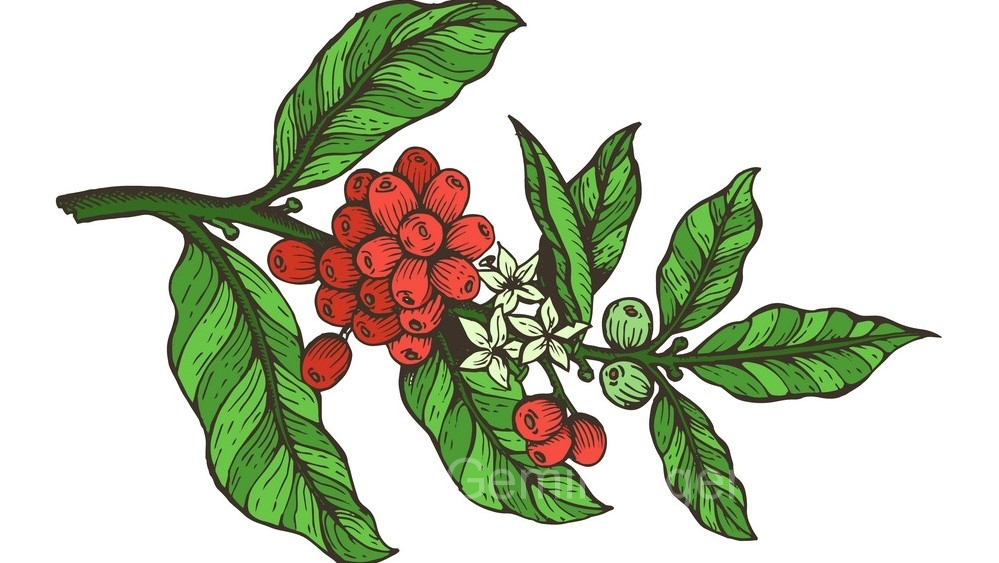
First, from a botanical standpoint, coffee belongs to the Rubiaceae family, which includes over 500 genera and approximately 6,000 plant species. Among them, the genus Coffea is widely cultivated and consumed. In the commercial market, Arabica (Coffea arabica) and Robusta (Coffea canephora) are the two dominant varieties. Although both belong to the Coffea genus, they differ greatly in cultivation conditions, physical appearance, internal composition, and final flavor.
Many coffee shops emphasize using "100% Arabica," leading consumers to believe that this is the only high-quality option. But in reality, Arabica and Robusta each have their strengths and suitable scenarios. Understanding their differences allows you to make the most appropriate choice based on your needs. Next, we will conduct an in-depth comparison of these two major varieties from multiple dimensions.
Greatly Different Growing Environments: Altitude and Climate Affect Variety Suitability
Robusta is naturally adaptable and can grow at low altitudes between 200 to 800 meters, with relatively loose environmental requirements. In contrast, Arabica is much more “delicate,” thriving best at temperatures of 18–21°C and with a maximum average annual temperature of around 24°C. Therefore, it is primarily planted in mid-to-high altitude regions between the Tropic of Cancer and the Tropic of Capricorn, usually performing best at elevations above 1,000 meters. Additionally, Arabica has a lower yield per unit area than Robusta, resulting in naturally higher planting and management costs.
Physical Differences: Varieties Can Be Preliminarily Identified by Green Beans
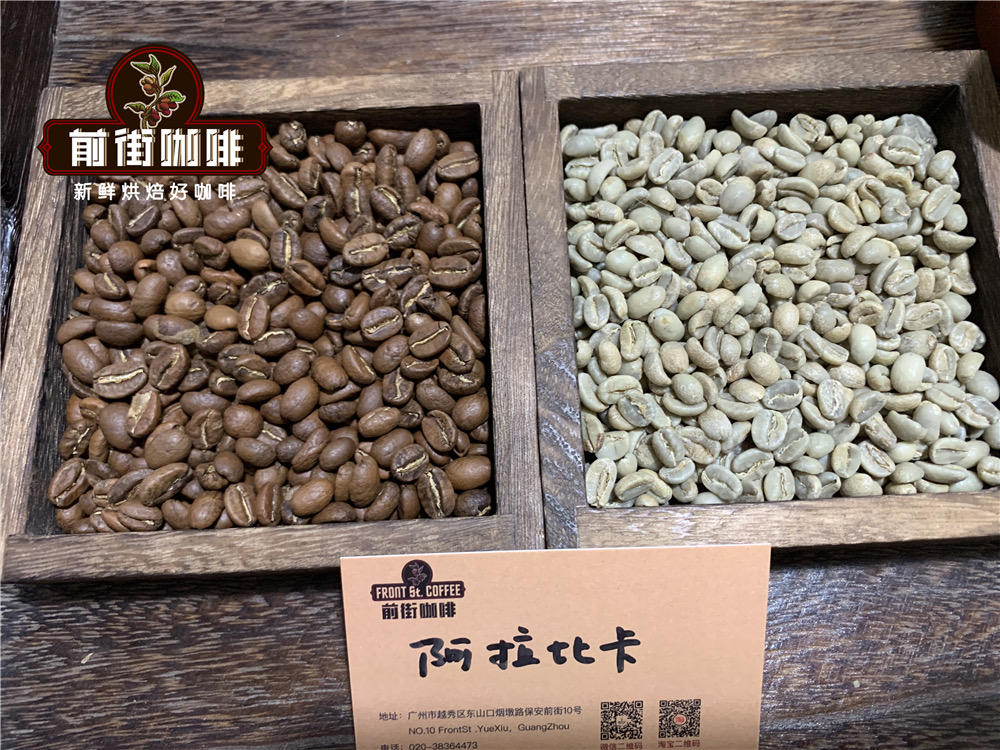
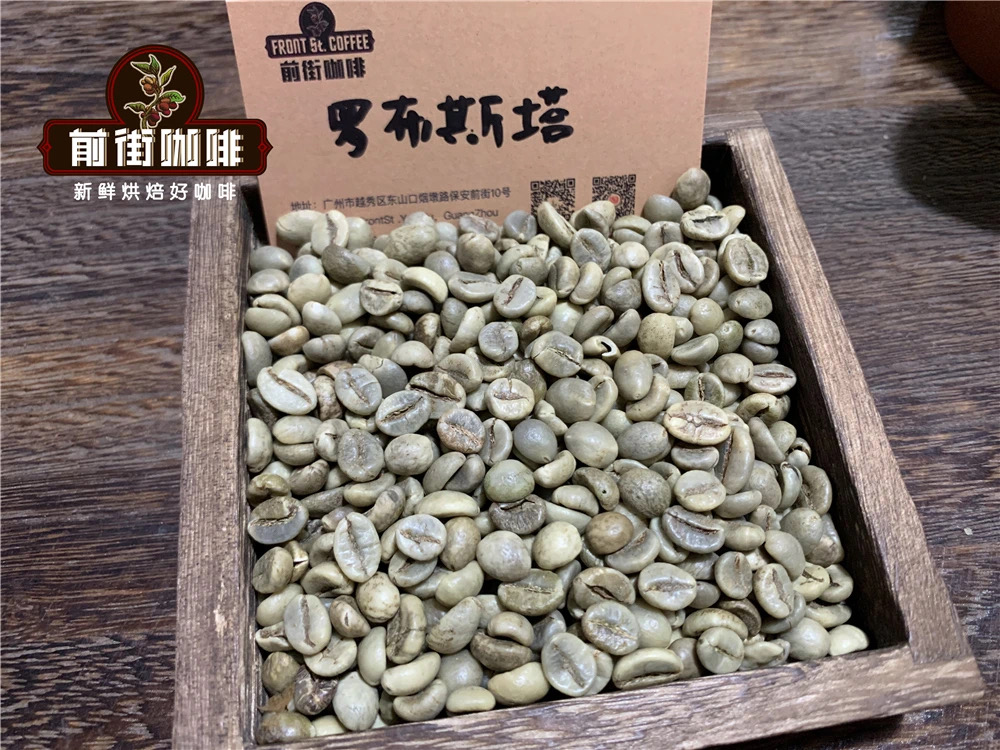
Observing the appearance of green beans is a common method for preliminary variety identification. Arabica beans are generally smaller, elliptical in shape, with a pronounced S-curve on the center cut, making them appear slender and somewhat flat. Robusta beans are rounder, with a center cut that is closer to a straight line, resembling a C shape, and their green bean color tends to be yellowish-brown. However, it’s important to note that once roasted, the beans expand and deform, and the center cut is no longer prominent — thus reducing the accuracy of visual identification.
Caffeine and Chlorogenic Acid: Key Components for Flavor and Resistance
Caffeine and chlorogenic acid (CGA) are natural defense mechanisms of the plant, effectively resisting pests and animal grazing. Robusta contains about twice the caffeine and chlorogenic acid levels of Arabica, which is one reason it can survive in harsher environments. However, these components also result in stronger, sometimes earthy or nutty flavors, which are often considered less refined than those of Arabica. As a result, Robusta is commonly used in instant coffee or certain espresso blends to enhance body and crema.
Lipids and Sugars: Sources of Flavor Delicacy
Arabica has nearly 60% higher lipid content and almost double the sugar concentration compared to Robusta. These sugars transform into various aromatic compounds during roasting, serving as key sources of fruity, floral, and sweet notes. At the same time, the high sugar and lipid content also make Arabica more beneficial to human health, which is one reason it is generally regarded as a "premium variety."
Pollination Method and Disease Resistance: Important Factors Affecting Stability
Arabica is a self-pollinating plant, resulting in a relatively low chance of genetic variation and more stable variety characteristics. In contrast, Robusta grows in low-altitude, high-temperature environments, coupled with caffeine content as high as 2.7% to 4% — double that of Arabica — giving it stronger natural resistance to insects. Additionally, Robusta has better tolerance to extreme weather than Arabica, so it often performs more resiliently in the face of pests, diseases, and climate change.
Flavor Differences: From Fruity to Bold, a Spectrum of Profiles
Flavor is the most directly perceptible difference for consumers. Robusta is often described as having earthy, rubbery, or nutty notes. While it can sometimes be considered bold and full-bodied, its overall flavor profile is relatively one-dimensional. In contrast, Arabica offers a wide spectrum of flavors, ranging from citrus, berries, and flowers to caramel and chocolate, varying greatly depending on the region and processing method.
For example, Costa Rica’s blueberry beans, processed via anaerobic honey, exhibit a prominent rose aroma in the dry scent. Upon brewing, the blueberry flavor stands out with strong fermentation notes, and the finish carries a refreshing coolness reminiscent of mint — making it ideal for summer drinking. Recommended using a V60 dripper, with water temperature controlled at 90–92°C, 15 grams of coffee, a 1:15 coffee-to-water ratio, medium-fine grind (approximately 80% passing through a 20-mesh sieve by Chinese standards), extracted via pulse pouring, with a total brew time of about 2 minutes.
Another example, Guatemala’s Fleur de Sel beans, showcase a completely different flavor profile — bright citrus and berry notes upfront, transitioning into smoky and subtle chocolate undertones, offering a rich and playful complexity.
Of course, many factors influence coffee flavor, including variety, processing method, roast level, and brewing technique. But overall, regional climate and soil conditions are the primary shapers of a coffee’s flavor profile. For instance, Ethiopian coffees often feature bright notes of citrus, flowers, and candied fruit; Kenyan coffees are known for complex berry acidity and unique sweetness; Brazilian coffees are low in acidity, rich and sweet, often with chocolate and nut flavors; and Colombian coffees, due to diverse regions, range from deep chocolate to sweet preserve-like notes, exhibiting vast variety.
Whether you’re a beginner coffee enthusiast or an experienced home brewer, understanding the basic characteristics of these three major varieties can help you more accurately select and savor the cup of coffee that’s right for you.
The above content is compiled by CoffeeHunters, a coffee news website.


