







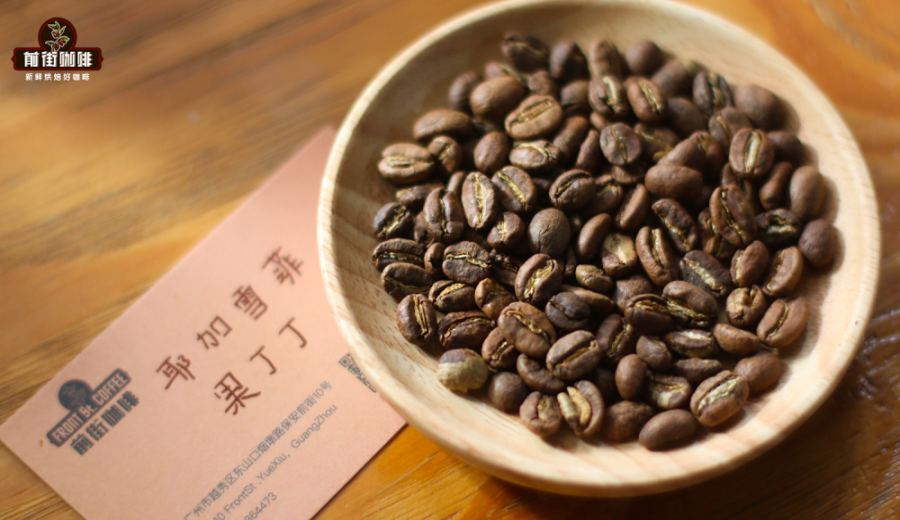
Introduction:Yirgacheffe is an iconic specialty coffee region in Ethiopia, with both washed and natural processed beans offering distinct characteristics. This article delves into the optimal brewing parameters—such as grind size, water temperature, brew ratio, and filter choice—for these two bean types when brewed via pour over or cold brew. It also provides professional recommendations tailored to the flavor profiles of different processing methods. Whether you prefer bright acidity or rich sweetness, you’ll find a brewing method that suits your taste.
Located in the Gedeo Zone of southern Ethiopia, Yirgacheffe is globally recognized by specialty coffee enthusiasts as a flavor sanctuary. The washed and natural processed beans produced here are widely praised for their vibrant fruit acidity, delicate floral notes, and layered complexity. This article thoroughly explores the key brewing parameters for these two types of Yirgacheffe coffee when used in pour over and cold brew, and offers operation suggestions suited to different taste preferences based on actual flavor performance.
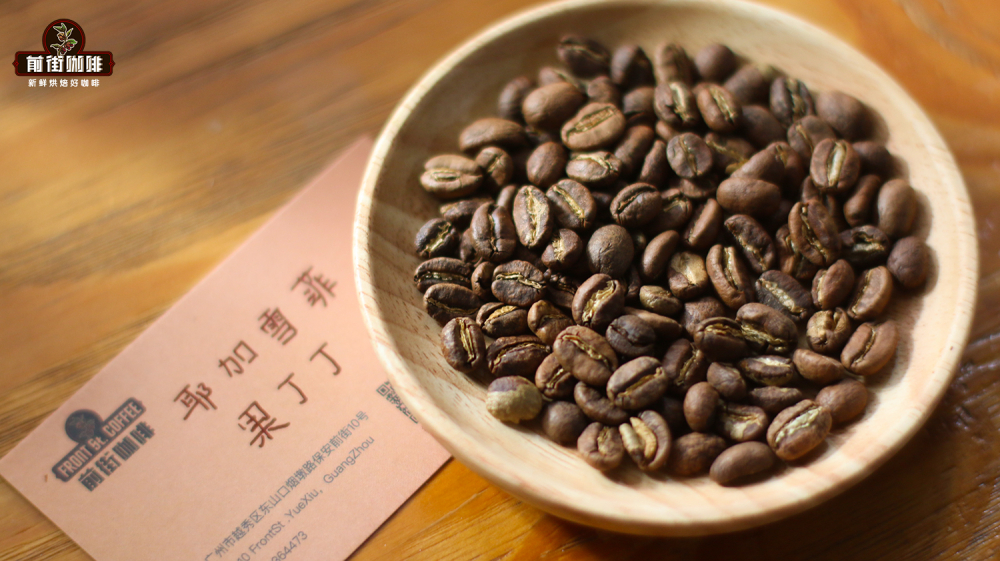
First introduced is a washed processed coffee bean from the Gedeo Zone of Yirgacheffe, sourced from the Guji Dingding Cooperative. This batch is made from local landrace varieties, grown at altitudes between 1900 and 2300 meters, classified as G1 grade, and processed using traditional washed methods. This coffee exhibits exceptional clarity in cupping, with high-temperature notes of distinct berries, citrus, honey, and creamy tones, along with clean and lively acidity. As the temperature drops, the acidity becomes softer, with a lingering finish of delicate tea-like notes and fruity aftertaste.
In terms of dry aroma, this washed bean carries a fresh citrus scent paired with elegant white floral notes, immediately conveying its outstanding regional characteristics. For grind size, a medium-fine grind is recommended—approximately 78% extraction through a Chinese standard 20-mesh sieve. This grind size helps extract its delicate fruit acids and floral notes while balancing flow rate and extraction efficiency. If ground too coarse, it may lead to under-extraction and thin flavors; if too fine, over-extraction at high temperatures might bring out bitter and astringent off-flavors.
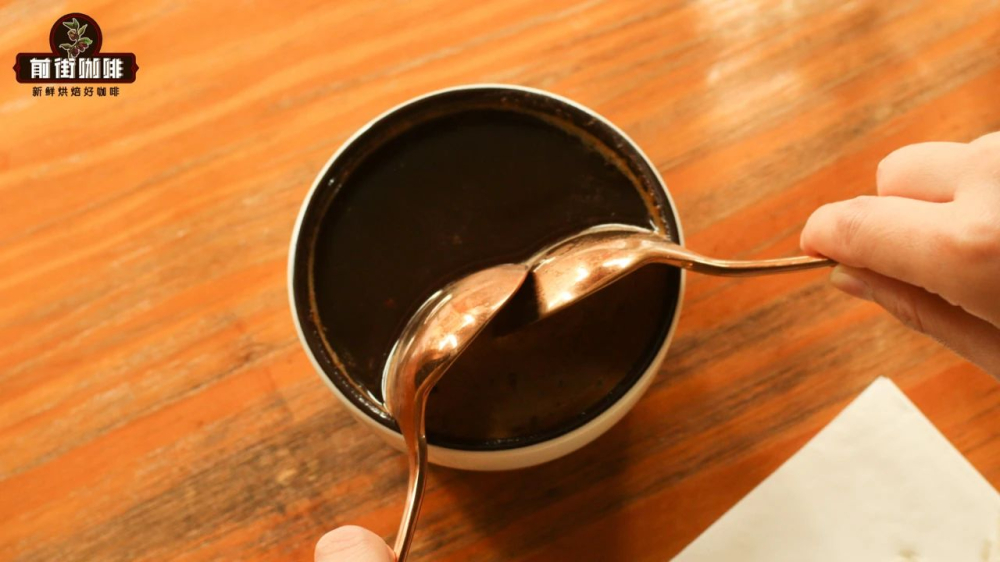
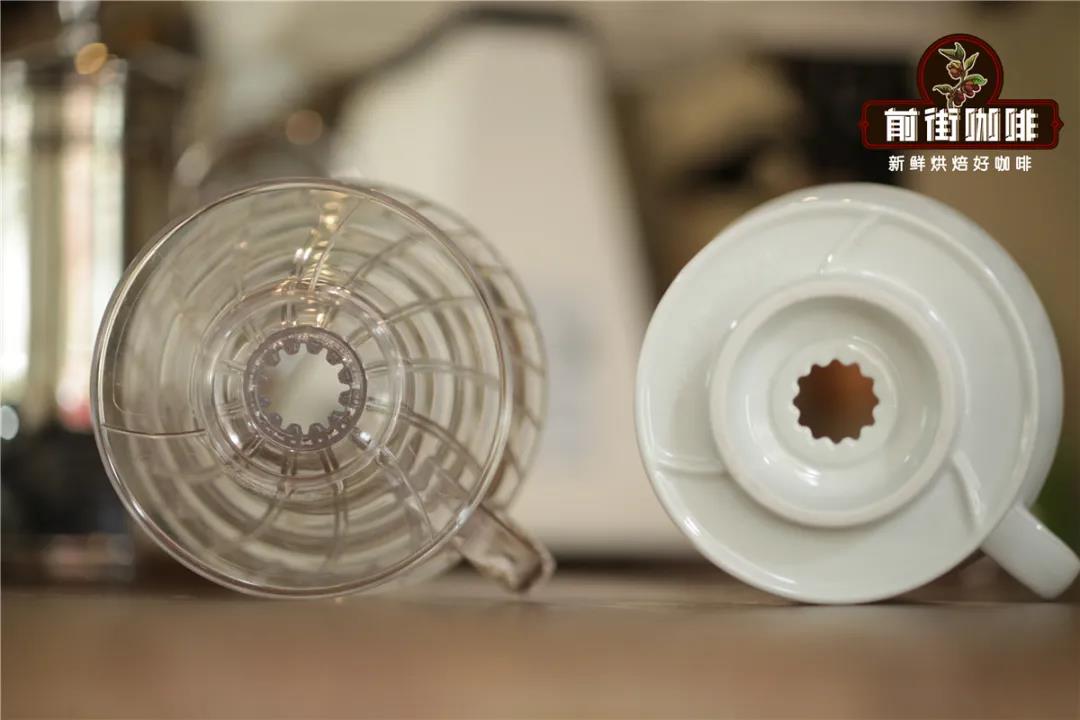
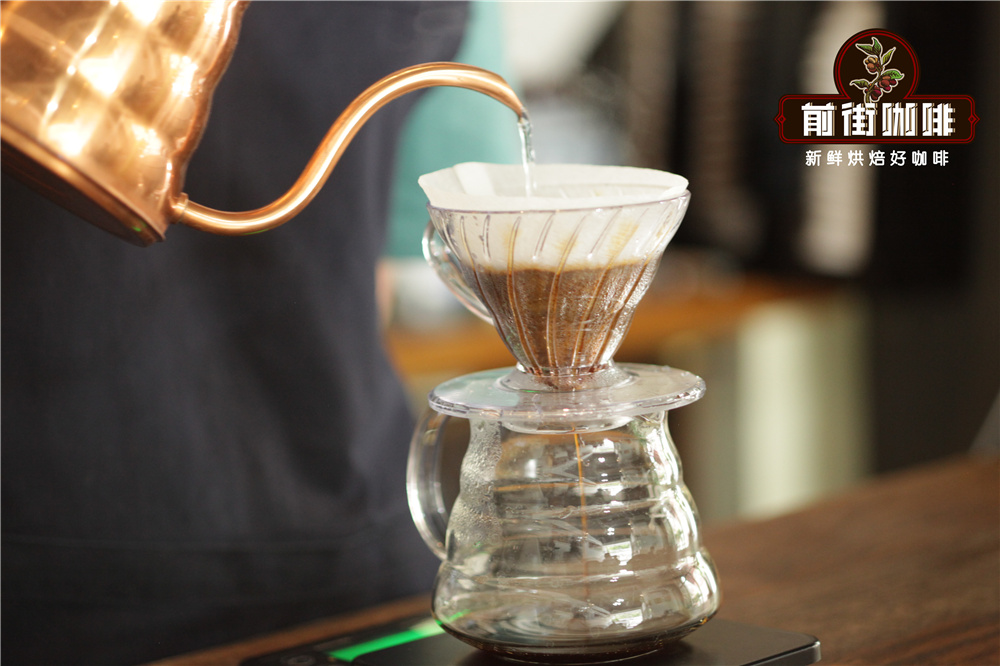
For filter choice, the V60 is recommended. Its unique spiral ridges help release gases trapped in the coffee grounds, making acidic and aromatic compounds easier to release, thereby enhancing the overall flavor complexity and vibrancy. In terms of brewing technique, a three-pour method is advised, helping to gradually release flavor compounds across different temperature stages. For water temperature, aiming for bright and elevated acidity with a crisp tea-like feel, choose 90°C to 91°C; if you prefer a fuller acidity and enhanced body, increase to 92°C to 93°C. For brew ratio, to balance its fresh-style flavors, 1:16 is suggested, which allows floral notes and honey sweetness to present more gently without the acidity overpowering.
Next is a naturally processed bean from Yirgacheffe—the Red Cherry batch from the Arerti Cooperative. Also graded G1 and grown at 2300 meters altitude, this coffee uses local landrace varieties and is processed via the natural method, imparting intense fruitiness and rich sweetness. Its dry aroma features rich berry acidity and sweet fermentation notes, and once brewed, it shows clear notes of berries, citrus, and sweet orange. It has high sweetness and a smooth mouthfeel, with a finish accompanied by caramel and creamy warmth, plus subtle black tea aromas.
For grind and filter selection, a medium-fine grind (approximately 80% through a 20-mesh sieve) paired with the V60 filter is also recommended. The V60’s 60-degree angle design extends the contact time between water and coffee, helping to fully extract acidic, sweet, and fruity compounds. Unlike the washed version, the natural bean has a richer and fuller flavor profile, so a center-pour brewing method is advised to stabilize the coffee bed and evenly release flavors. The brew ratio can be adjusted to 1:15 to make the sweetness and juice-like sensation more concentrated. Water temperature is recommended at 91°C to 92°C to enhance overall body and sweetness expression.
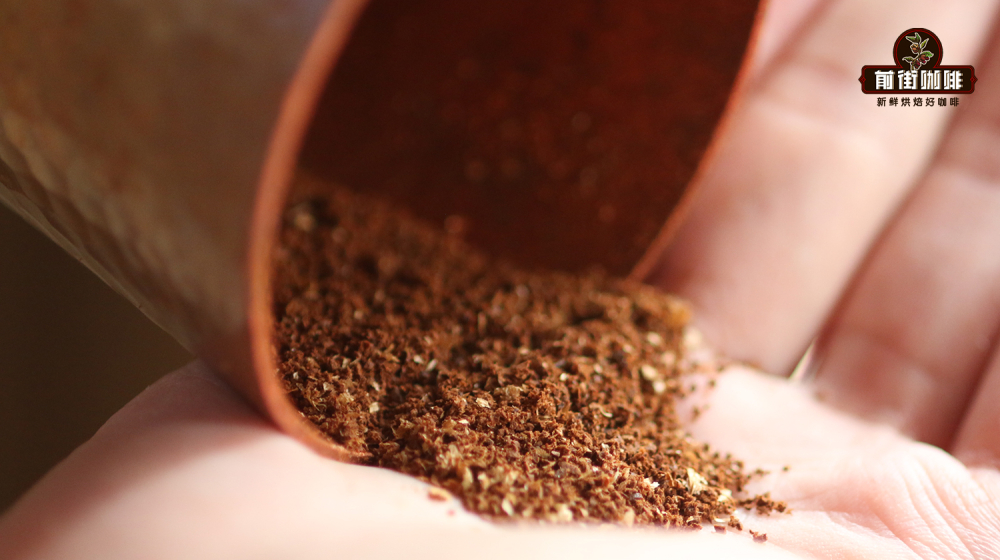

Beyond hot brewing, Yirgacheffe is also excellent for making cold brew. Here’s a simple and practical home cold brew method: First, select 30 grams of freshly roasted Yirgacheffe beans (ideally roasted within the last two months to ensure aromatic freshness), and grind them to about 80% through a Chinese 20-mesh sieve—similar in coarseness to fine sugar. Note that bean freshness greatly affects cold brew flavor, so it’s recommended to use freshly roasted beans for the best results.
Prepare a sealable container with a capacity over 300 milliliters. Pour the ground coffee into it, then add 300 milliliters of room-temperature water at a 1:10 brew ratio, stir gently to mix evenly, seal the container, and place it in the refrigerator for at least 12 to 24 hours. Once the time is up, remove the container, filter out the coffee grounds using paper or cloth, and enjoy a refreshing cup of Yirgacheffe cold brew.
The finished Yirgacheffe cold brew has a bright citrus acidity complemented by light oolong tea notes and nectarine-like fruitiness, along with subtle nutty undertones. The overall profile is extremely refreshing, making it an excellent choice for summer or everyday drinking. Whether brewed via pour over or cold brew, mastering the right parameters and techniques will fully showcase the unique charm of Yirgacheffe coffee beans.
The above content is compiled by CoffeeHunters, a coffee news website.


