








Introduction:Cold brew coffee has surged in popularity in the summer market in recent years, winning over consumers with its cool, smooth taste and mild flavor profile. But how exactly did cold brew emerge? What are the fundamental differences between it and regular iced coffee? And why is its production cost relatively higher? This article delves into the origins of Cold Brew and its global rise in popularity, compares the key principles behind different brewing methods, and provides a practical 450 ml home-brewing recipe — including coffee-to-water ratio, grind size recommendations, and refrigeration time — helping you easily master the art of brewing this black coffee.
In recent years, cold brew coffee has become the beverage of choice for many during the hot summer months. Compared to traditional hot-brewed coffee, it uses a method of steeping in cold water over an extended period, resulting in a smoother and more layered flavor profile. Not only is the taste refreshing, but its unique brewing process has also attracted many coffee enthusiasts. This article will take you from the basic definition, exploring the history, core techniques of Cold Brew, and how you can easily recreate this highly praised iced coffee at home.
Cold Brew Coffee, translated into Chinese as 冷萃咖啡, first gained traction in the U.S. market and quickly became a hit in Japan and Europe through social media platforms such as Instagram. After Starbucks included it in its official menu, it further fueled a global cold brew craze. This type of coffee, which involves steeping in cold water for a long period (usually over 12 hours), presents a stark contrast to the quick extraction of regular hot coffee. It is not only relatively simple to make but also highlights the delicate and balanced flavor characteristics of the coffee beans themselves.
When it comes to the difference between cold brew coffee and regular iced coffee, the key lies in the brewing method. Common iced coffee on the market is usually made by quickly extracting a strong-flavored hot coffee with high temperature, then rapidly cooling it down by adding ice cubes or cold water. While this process is convenient, it tends to release more tannins and caffeine due to the high temperature, resulting in a more acidic or noticeably astringent taste. In contrast, cold brew coffee uses low-temperature water for extraction throughout the entire process, effectively suppressing the release of tannins and high concentrations of caffeine, thus making the final product taste sweeter and smoother, with significantly reduced acidity and astringency — especially suitable for those who are not accustomed to strong coffee stimulation.
The brewing principle of cold brew coffee is actually quite simple: just master the correct coffee-to-water ratio and appropriate grind coarseness, and after a long period of refrigerated steeping, it’s done. Many busy office workers choose to refrigerate their brewed cold brew coffee the night before, so they can enjoy a cool and smooth black coffee the next morning without waiting. Additionally, because the low-temperature environment effectively inhibits microbial activity, cold brew coffee can often maintain a longer shelf life under proper storage conditions, with a significantly slower rate of flavor degradation — another reason for its popularity.
If you’d like to make cold brew coffee at home, here is a practical 450 ml recipe reference. This recipe uses about 40 grams of coffee beans and 500 ml of cold water, with a coffee-to-water ratio designed at 1:12.5, suitable for most people’s tastes. If you prefer a stronger flavor, you can adjust the amount of coffee beans accordingly; if you plan to add a lot of ice cubes, you can also maintain the original ratio to ensure the concentration after brewing.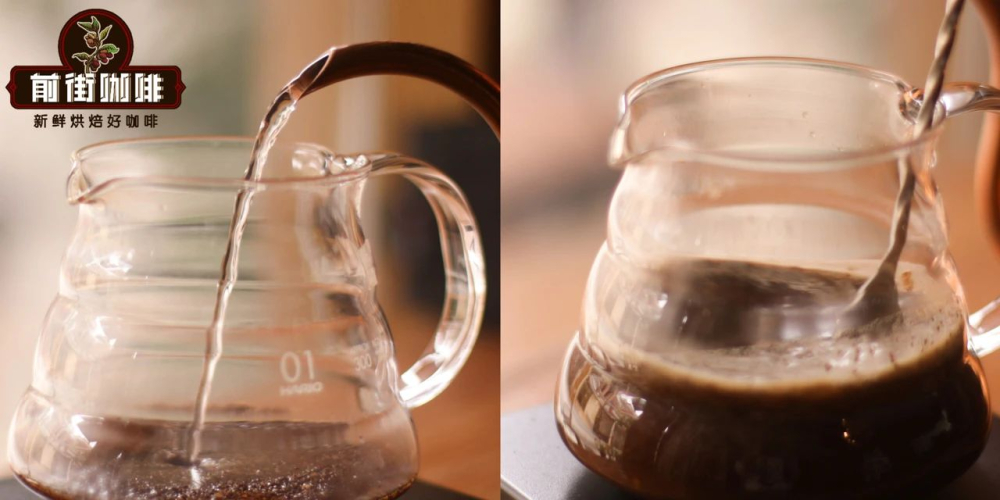
When it comes to grind size, it is recommended to use a medium-coarse grind, similar to that of a French press, which helps extend the extraction time and avoid the bitterness caused by over-extraction. After weighing and grinding the coffee beans, place them in a tea filter that has been folded with filter paper, then slowly pour in the cold water, ensuring all coffee grounds are evenly saturated. If you don’t have specialized equipment at home, you can also use a French press directly — just press the filter gently at the end to complete the filtration. The process is simple and flexible.
After brewing, place the entire pot of coffee in the refrigerator for at least 12 hours to allow the cold water to fully extract the flavor compounds from the coffee. During this period, it’s recommended to avoid moving or frequently opening the fridge door to maintain a stable low-temperature environment. Once extraction is complete, you can remove it, filter it, and pour it into a cup to enjoy. Adding ice cubes at this point not only enhances the cool sensation but also allows you to adjust the overall strength to your liking. Additionally, you can try topping your cold brew coffee with milk foam or other creative ingredients to create your own signature iced coffee.
In summary, cold brew coffee, with its unique low-temperature brewing technique, offers a flavor experience distinctly different from traditional iced coffee. With its mild, sweet taste and low acidity, along with its simple brewing process and good preservation qualities, it has become a staple drink for many coffee lovers at home. As long as you master key factors such as the correct coffee-to-water ratio, grind coarseness, and refrigeration time, you too can easily recreate this highly praised cold-brewed coffee at home and enjoy a cool coffee moment in the summer.
The above content is compiled by CoffeeHunters, a coffee news website.


