







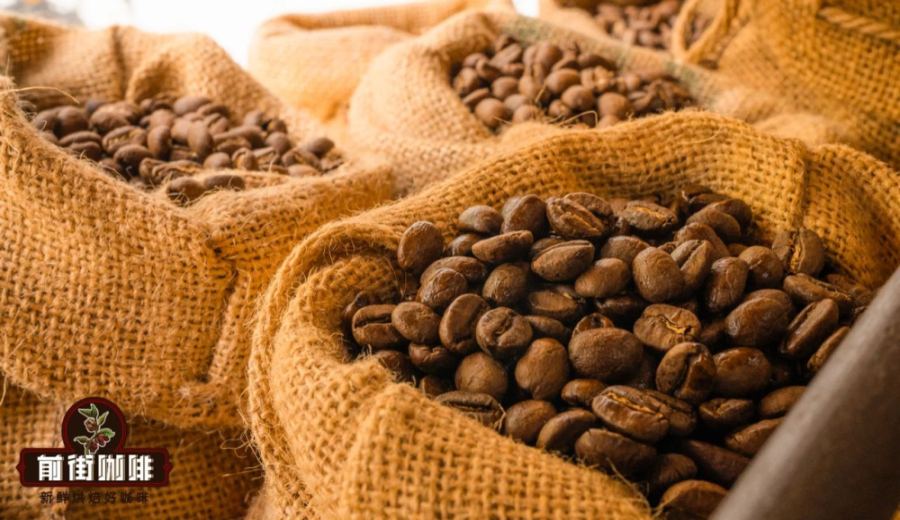
Introduction:Want to step into the world of espresso but don’t know how to choose your first bag of beans? This article delves into the roasting characteristics of specialty espresso blends, highlights key selection tips for beginners, explains the differences in flavor between light and medium-dark roasts, and introduces the crucial waiting period before extraction—helping you master essential knowledge about blends in one go and craft rich, well-balanced coffee.
Coffee enthusiasts new to espresso often hear a practical tip: start with a specialty blend. These beans not only offer good value but also deliver consistent flavor and crema performance, making them ideal for practicing latte art—truly the perfect choice for beginners. However, with so many blend options on the market, how do you pick the right one? Why aren’t light-roast beans suitable for espresso? And how long should roasted beans rest before extraction? Below, we’ll explore the roasting traits of blends, guide you on how to choose, and showcase the flavor profiles of two classic blends to help you find your ideal everyday or practice partner.
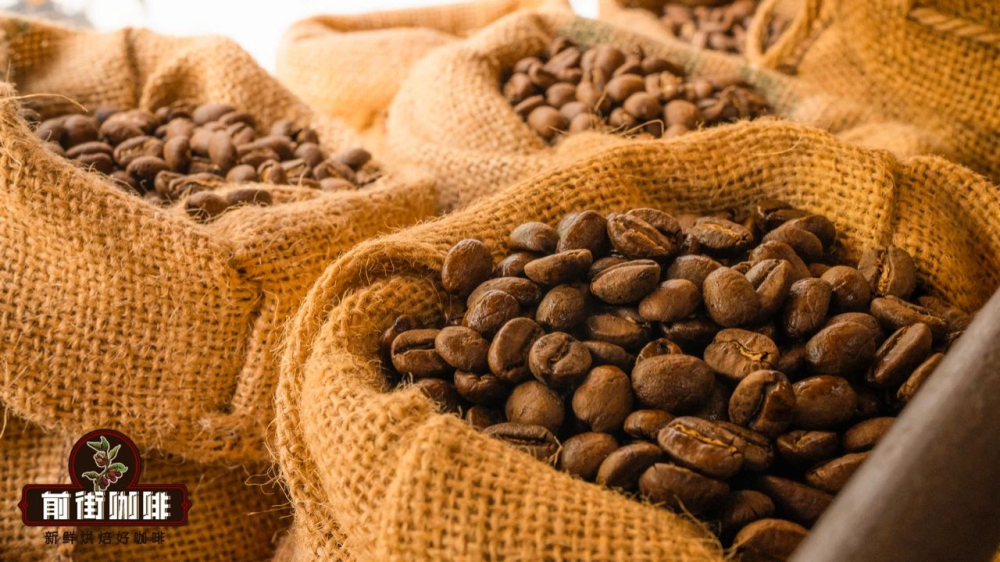
For those just starting to explore espresso, specialty blends are often the most beginner-friendly option. These beans can produce a rich, full-bodied cup under stable extraction conditions, with a crema layer that’s relatively easy to control—greatly benefiting latte art practice. Additionally, blend recipes typically combine beans from different regions, excelling in flavor balance and extraction consistency to ensure each brew maintains a similar quality.
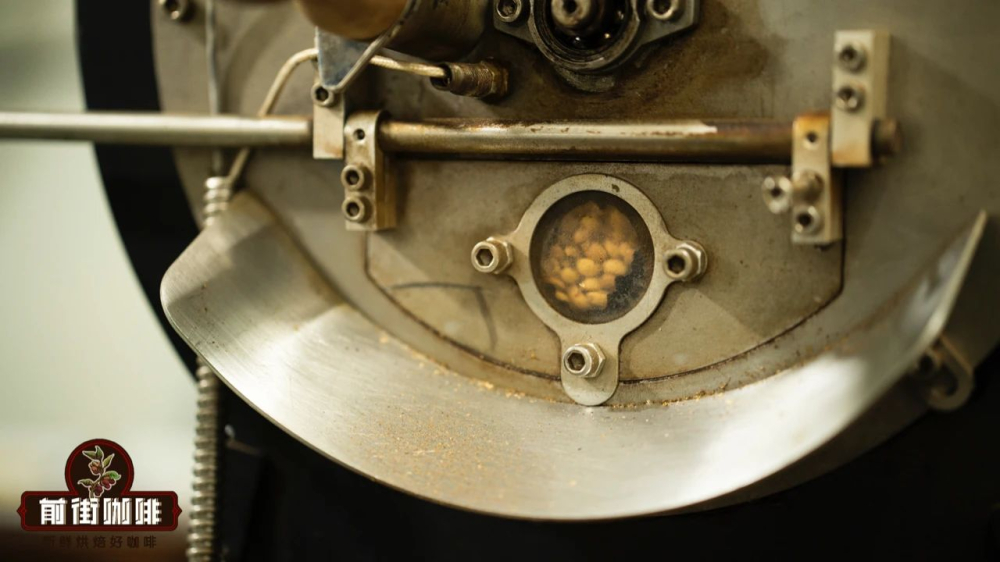
The roast level of an espresso blend is one of the key factors influencing its final flavor. To achieve a thick, bold espresso texture, most espresso beans are medium-dark roasted. As roasting time increases, the carbon dioxide trapped inside the beans also rises. While a moderate amount of CO₂ helps preserve freshness in the short term, excessive gas can disrupt extraction stability. Therefore, it’s recommended to keep newly roasted espresso blends in their original packaging, allowing the beans to release CO₂ through the one-way valve. Let them rest for about five to six days—starting from the fifth or sixth day after roasting—for optimal extraction results.
On the other hand, many pour-over enthusiasts may prefer light-roast beans, as the low-pressure filtration method highlights bright floral and fruity acidity along with rich complexity. However, these delightful acidic and sweet notes, which shine under low pressure, can become overly sharp or even unpleasant under the high pressure and concentration of espresso extraction. Moreover, due to shorter roasting times, light roasts undergo insufficient caramelization, resulting in less flavor complexity and body—often leading to thin, unsatisfying espresso lacking depth.
When selecting a specialty espresso blend, it’s advisable to prioritize roasters with a strong reputation. Consistent, freshly roasted quality is the foundation for ensuring uniformity in every cup. For example, some locally renowned roasters not only have long-standing recipe expertise but also rigorously manage post-roast freshness and offer fast shipping—helping consumers enjoy beans at their peak flavor.
One classic espresso blend is based on medium-dark roasting, combining the characteristics of beans from two primary origins to create a rich yet balanced profile. This blend often uses beans with nutty and caramel aromas as a base, with carefully selected varieties added to enhance crema and intensity. When brewed as espresso, it delivers notes of dark chocolate and roasted nuts, while in a hot latte, it reveals a delicate creamy texture and smooth mouthfeel. It’s an excellent choice for beginners and a daily favorite among many home users.
If you prioritize value and practicality for everyday use, another blend—known for its stable flavor and balanced acidity-bitterness—is also worth trying. This blend typically uses beans from regions like Yunnan and Brazil, with a medium-dark roast that preserves moderate fruit acidity while highlighting rich caramel and nut aromas during extraction. As an Americano, it offers a refreshing yet layered taste; in a latte, it complements the natural sweetness of milk. With its consistent performance and reasonable price, this blend has become a staple for many home and professional users.
The above content is compiled by CoffeeHunters, a coffee news website.


