







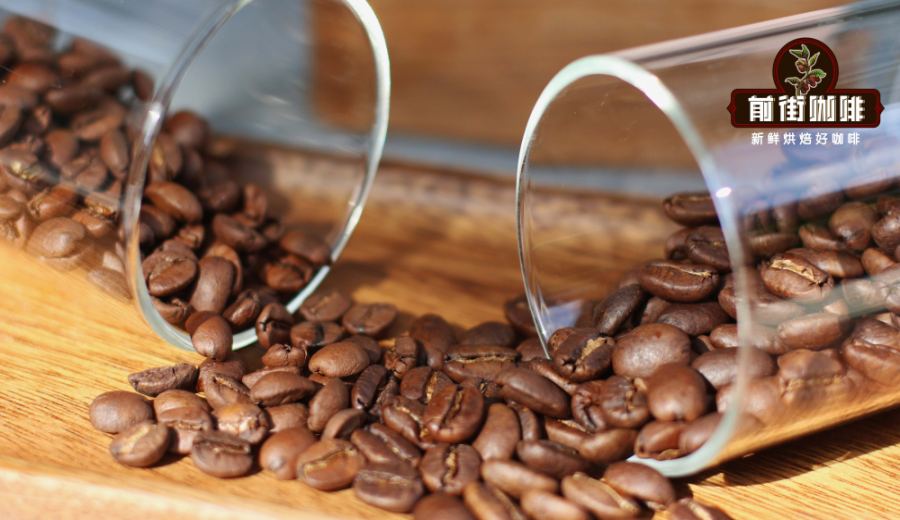
Introduction:The Mamba blend is a classic espresso combination, crafted from Indonesian Mandheling and Brazilian Arabica beans, offering a rich and bold flavor while maintaining balance. This article delves into the formulation logic behind Mamba, explores the characteristics of the two bean types, and guides you on how to use a moka pot to precisely control water temperature, grind size, and heat, thereby reproducing an authentic Mamba flavor—even beginners can easily master it at home.
When it comes to Mamba coffee, many coffee enthusiasts are familiar with the name, but not necessarily its actual recipe or historical background. The so-called "Mamba" is actually a classic blend composed of Mandheling coffee beans from Sumatra, Indonesia, paired with Arabica beans from Brazil. These two bean varieties have vastly different flavor profiles, yet they complement each other perfectly: Mandheling is intense and full-bodied, with spicy and woody undertones, while Brazilian beans offer a softer mouthfeel, exuding nutty and caramel aromas. Together, they deliver both depth and layered complexity, once a popular choice in early Taiwanese cafés.
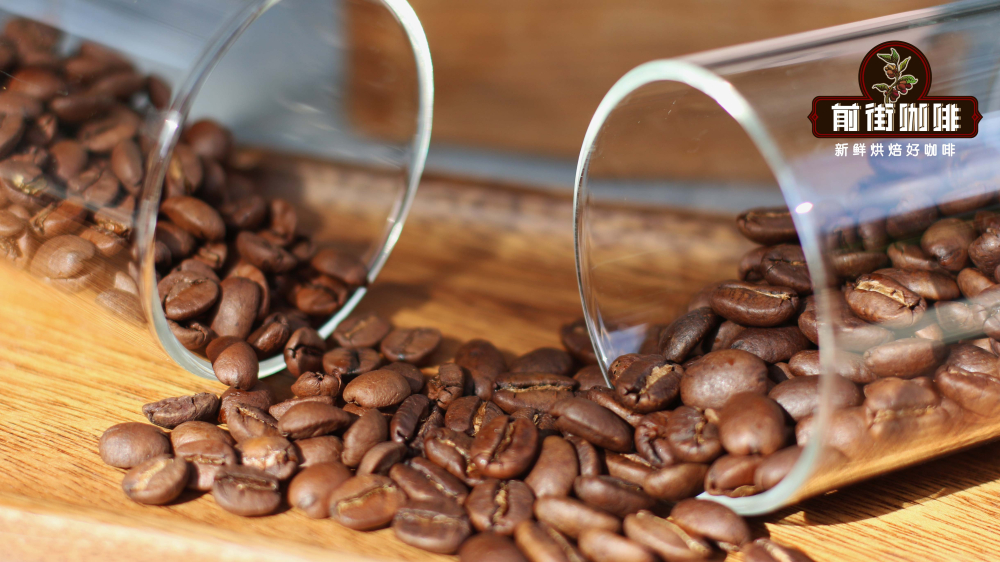
To better understand the characteristics of Mandheling, consider trying a single-origin bean—such as those from Sumatra’s production regions. This bean, processed via the wet-hulled method, emits a complex aroma of sticky rice, malt, spices, and woodiness during the dry stage. After pouring water, the wet aroma shifts to intense caramel with subtle pine notes. On the palate, acidity is extremely low, dominated by bold clove and woody tones, with a finish that lingers with spice and herbal notes, along with a pronounced and long-lasting aftertaste—a perfect choice to experience the charm of Mandheling.
However, within the Mamba blend, Mandheling typically serves as the "base," providing a solid mouthfeel and rich aromatics. After medium-to-dark roasting, its body becomes even more pronounced, with caramel, spice, herbal, and pine notes becoming more prominent. As such, it requires a milder-flavored bean to balance the overall profile.
This is where Brazilian beans play a key role. As the world’s largest coffee-producing country, Brazil’s Arabica beans are widely loved for their balanced taste and affordable price, often featuring nutty, caramel, and gentle fruity acidity—making them ideal for blending with beans from other regions. Their presence prevents the overall blend from becoming overly heavy while adding a touch of smooth sweetness.
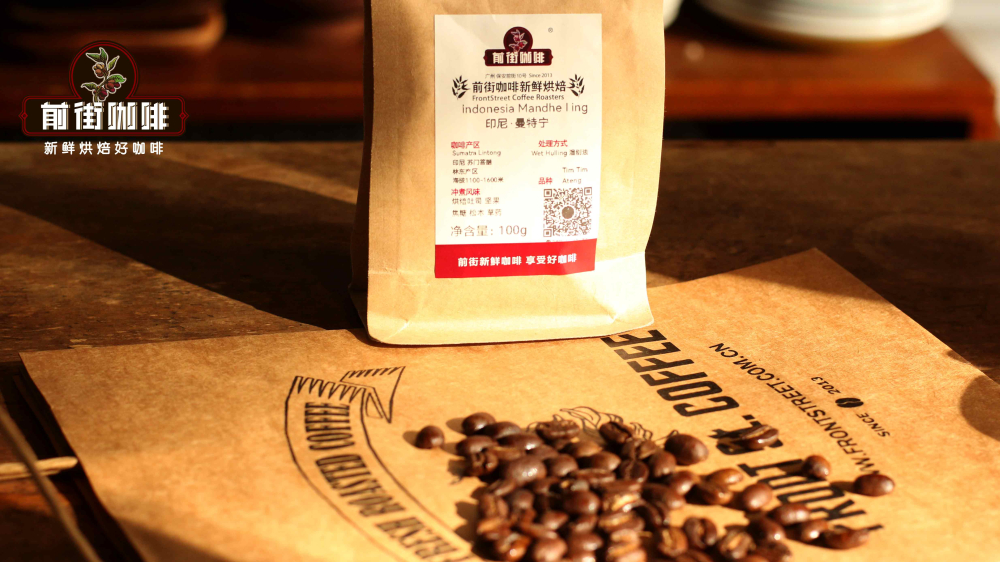
To experience authentic Mamba flavor, opt for a classic blend of Sumatran Mandheling and Brazilian Arabica. Such blends usually employ wet-hulled Mandheling and semi-washed Brazilian beans, roasted to medium-to-dark levels. This process not only preserves the unique characteristics of each origin but also enhances richer caramel, spice, and herbal aromas through roasting. Some blends even incorporate a small amount of Robusta beans to boost crema thickness and oiliness, delivering classic Mamba flavor whether brewed as espresso or with a moka pot.
It’s worth noting that volatile aromatic compounds in coffee gradually dissipate over time. Even under optimal storage conditions, flavors will slowly diminish. Therefore, choosing freshly roasted beans is crucial. We recommend selecting products roasted within five days and delivered promptly, ensuring you can fully appreciate their peak flavor during brewing.
Next, using the classic Mamba blend as an example, we’ll demonstrate how to use a moka pot to step-by-step extract a rich and bold Mamba-flavored coffee.
First, prepare your tools: freshly roasted Mamba blend coffee beans, a grinder, a moka pot, and a gas stove (or induction cooker). Use a professional grinder to adjust the grind size—aim for something finer than pour over, but avoid excessive fine particles that may cause channeling. In practice, set the grind close to espresso fineness, such as 0.5 on the EK-43s grinder.
Add an appropriate amount of warm water to the bottom chamber of the moka pot. The water level should be kept below the pressure relief valve to prevent abnormal pressure or even hazards caused by overly high water levels under heat and pressure. Generally, inject about 130 ml of water, which ensures sufficient extraction yield while shortening heating time and reducing over-extraction risks.
After grinding the coffee, fill the middle basket of the moka pot to about nine-tenths full, thendo not press down firmly. Over-compacting will obstruct water flow, leading to uneven extraction or excessive bitterness. After filling, tightly assemble the upper and lower chambers, then place the moka pot on the heat source.
When starting to heat, if using an open flame, ensure the flame does not extend beyond the bottom of the moka pot—use a low to medium flame. As the temperature rises, when you hear a hissing sound, it indicates that coffee liquid is about to begin extracting. At this point, reduce the flame to stabilize the extraction. Observe the top chamber: once about half the coffee has flowed out, turn off the heat and let residual heat complete the final extraction.
Pour the extracted coffee into a cup and enjoy. Authentic Mamba flavor typically boasts intense dark chocolate, caramel sweetness, and toasted nut aromas. For a smoother taste, add a small amount of hot water to adjust concentration, bringing out a hazelnut note. Paired with milk, it showcases a sweet milk-chocolate-like profile, making it perfect for lattes or cappuccinos.
The above content is compiled by CoffeeHunters, a coffee news website.


