







Introduction:Jamaican Blue Mountain coffee has long been hailed as one of the world’s top specialty coffees, with its unique flavor profile and prestigious status always drawing attention. This article will delve into the growing environment, grading system, evolution of processing techniques, and offer expert pour-over brewing recommendations along with flavor characteristic descriptions to help you fully appreciate the allure of this legendary coffee.
Blue Mountain coffee consistently ranks among the world’s most renowned specialty coffees. Some praise its rich, balanced taste and long-lasting aftertaste, while others find it underwhelming. In reality, taste preferences vary from person to person, but the reason Blue Mountain coffee has gained worldwide fame lies in the unique volcanic soil of Jamaica’s Blue Mountains, the year-round foggy and rainy climate, and the inherently mild and elegant flavor traits of the Typica variety.
So, is this widely acclaimed Blue Mountain coffee really that expensive? In the past, due to its limited availability and high prices in the Chinese market, many merchants passed off “Blue Mountain-flavored” coffee as the genuine product, causing consumers to pay a premium without necessarily getting the real thing. Today, with a more mature market and increasing legitimate import channels, as long as consumers have basic discernment skills, obtaining the authentic product is no longer difficult.
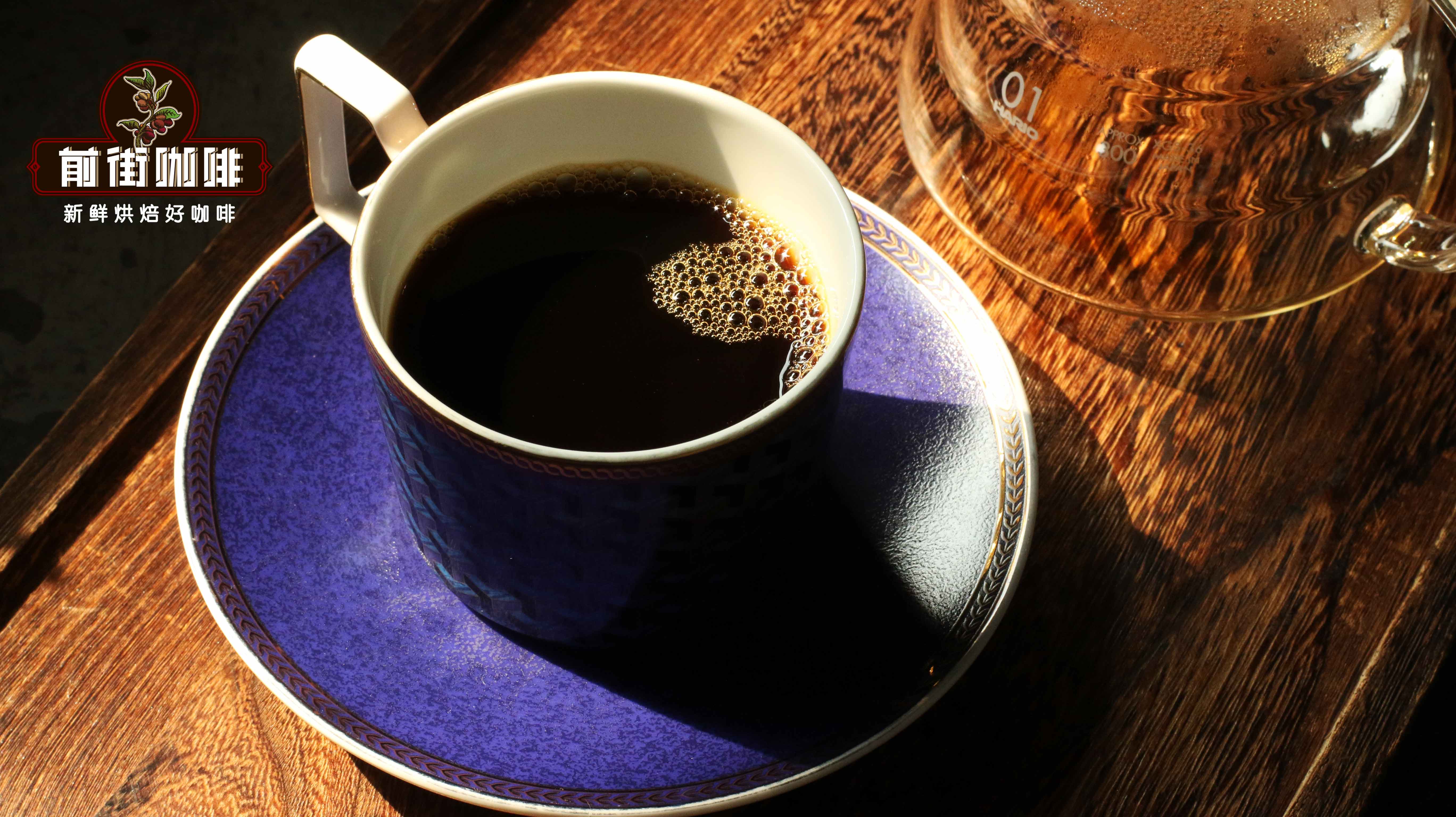
Authentic Blue Mountain coffee is grown exclusively in areas of the Jamaican Blue Mountains above 800 meters in elevation, with some beans from the famous Clifton Estate even cultivated at altitudes as high as 1310 meters. The Blue Mountains are located in eastern Jamaica and are named for the way their peaks reflect the blue hues of the surrounding sea under sunlight. The region enjoys a humid climate, with an average annual rainfall of 1980 millimeters and an average temperature of about 27°C. Coupled with fertile volcanic soil and clean, unpolluted air, these conditions create the distinctive flavor profile of Blue Mountain coffee.
Blue Mountain coffee contains only about half the caffeine of other coffee varieties, aligning more closely with the trend toward healthy beverages. It’s worth noting that even if the same coffee variety is transplanted to climates similar to Jamaica’s in places like Hawaii, Kenya, or Papua New Guinea, the same Blue Mountain flavor cannot be replicated—this is precisely what makes it so precious.
Regarding the price of Blue Mountain coffee, purely imported roasted beans cost approximately 1200 RMB per pound (about 450 grams). With around 7 grams of coffee needed per cup, one pound can yield roughly 50 to 60 cups. If considering only the raw material cost, each cup amounts to about 20–24 RMB, and with shop operating expenses added, a retail price of around 50 RMB is reasonable. A well-known coffee brand offers authentic Blue Mountain coffee at just 60 RMB per cup, allowing you to enjoy its fragrant, sweet profile with low bitterness, complemented by fruity and cocoa-nutty aftertastes.
The market is flooded with “Blue Mountain coffee,” but not all products labeled as such are genuine. In fact, authentic Jamaican Blue Mountain coffee has limited production, and in earlier years, up to 85% of its quota was monopolized by the Japanese market. According to 2013 export statistics from the Jamaica Coffee Industry Board, Blue Mountain coffee was primarily shipped to Japan (85%), the United States (5%), Europe (5%), and other regions (5%). Notably, China accounts for 15% of global consumption of authentic Blue Mountain coffee, with some quotas from Japan, Australia, and Europe entering Taiwan through direct channels.
Jamaican Blue Mountain coffee is categorized into three main grades: Blue Mountain, High Mountain, and Jamaica Coffee. Within Blue Mountain and High Mountain, there are two further subgrades, ranked from highest to lowest quality as follows: Blue Mountain No.1, Blue Mountain No.2, High Mountain No.1, High Mountain No.2, and Jamaica Coffee. According to CIB standards, the highest-grade Blue Mountain No.1 green beans must have a screen size of 17 or above, a defect rate below 3%, and a moisture content of about 13%. Among them, the most precious are the Blue Mountain No.1 Peaberry (PB), typically grown at altitudes around 2100 meters. Not only are they plump in shape, but they also boast intense fruity notes, considered the crème de la crème of specialty coffees.
Jamaican Blue Mountain coffee is grown from the traditional Typica variety, one of the oldest Arabica sub-species. Its leaves have a bronze-colored tip, and the beans are oval or slightly pointed in shape. The trees are tall with branches sloping at approximately 50–70 degrees, earning them the nickname “red-topped coffee.” Typica offers an elegant flavor but has low yields and weak disease resistance, with each tree producing a limited amount of fruit. Mature coffee cherries are bright red.
< In terms of processing techniques, early Blue Mountain coffee solely used the washed method, where the fruit skin, pulp, and mucilage are removed through washing and fermentation. This process requires a continuous flow of fresh water, with fermentation time strictly controlled to around 12–18 hours. Afterward, the beans are rinsed with water and friction until the surface is smooth, then dried for a long period to reduce moisture content to 12–14%. Today, in addition to the traditional washed method, some Blue Mountain coffee is also sun-dried. These products are also strictly certified by the Jamaica Coffee Industry Board, offering more flavor options to the market.
For pour-over brewing recommendations, you can use a Kono filter. Set the water temperature to 88°C, use 15 grams of coffee, with a brew ratio of 1:15, and grind to a medium fineness (about 75% passing through a 20-mesh sieve according to Chinese standards). Specifically, you can perform a three-stage extraction: start with a 30-second bloom using 30 grams of water, then pour in a small circular motion until reaching 125 grams for the first pour. When the water level drops close to exposing the coffee bed, continue pouring to 225 grams and stop. Allow the coffee to fully drip through before removing the filter. The total brew time is about 2 minutes. Under these parameters, washed Blue Mountain coffee typically exhibits bold flavors of dark chocolate and nuts, with a creamy mouthfeel and a well-balanced acidity, sweetness, and bitterness.
It’s important to note that to fully experience the rich flavors of the coffee, it’s recommended to use freshly roasted beans. Generally, coffee beans are at their peak flavor within 5 days post-roast, and require a 4–7 day resting period to reach optimal performance. By mastering the correct knowledge of origin, grade identification, processing methods, and pour-over parameters, you’ll be able to more deeply appreciate the unique charm of this world-class coffee.
The above content is compiled by CoffeeHunters, a coffee news website.


