







Introduction:Many coffee enthusiasts often mention "aftertaste" and "sweetness" when tasting, but these two are actually quite different. This article delves into the formation principles of aftertaste, its differences from sweetness, and explores the key factors that influence the lingering duration of the finish. Additionally, for readers who prefer high sweetness, low acidity, and low bitterness flavors, we have carefully selected several recommended coffee beans, including Brazil’s Queen Estate, PWN Golden Mandheling, and Boquete Geisha, to help you better understand the layers and finish of coffee and enhance your daily brewing experience.
In the world of coffee tasting, "aftertaste" is a term frequently mentioned, usually used to describe the pleasant lingering finish a cup of coffee leaves for the drinker. However, many people tend to confuse "aftertaste" with "sweetness." In fact, although both are related to "sweet," they differ significantly in sensation and formation mechanism. This article will start with the basic concept of finish, thoroughly analyze how aftertaste is produced, how it differs from sweetness, and further explore which factors affect the quality and duration of the finish. Moreover, for coffee lovers who prefer high sweetness, low acidity, and low bitterness, we have also compiled a list of recommended coffee beans worth trying, including the classic Brazil Queen Estate, Indonesia’s PWN Golden Mandheling, Panama’s Boquete Geisha, as well as popular blends, helping you find the option that best suits your taste.
The commonly heard phrase "aftertaste brings saliva, bitterness turns to sweetness" was originally used to describe the finish of good tea, but in the coffee realm, "aftertaste" is similarly an ideal sensation for many drinkers. So, what exactly is the experience of coffee aftertaste? How is it different from the sweetness we often talk about? Simply put, aftertaste refers to a sweet lingering sensation that remains in the mouth after swallowing the coffee. This feeling often gradually emerges after the bitterness or astringency fades, giving a sense of "bitter before sweet" layering. Sweetness, on the other hand, is the immediate taste of sweetness you perceive when drinking coffee, usually derived from the coffee’s natural sugars or caramelization reactions, representing a more direct and instant taste experience.
To further understand aftertaste, we first need to grasp the concept of "finish." Finish refers to the aroma, taste, and texture that remain in the mouth after swallowing the coffee. In contrast, the flavors we perceive before swallowing—such as fruitiness, floral notes, or sour-sweet sensations—fall under the category of flavor and mouthfeel. This is essentially a matter of temporal sequence. Understanding this timing helps us distinguish, during coffee tasting, which aspects are immediate flavors and which emerge as finish after swallowing.
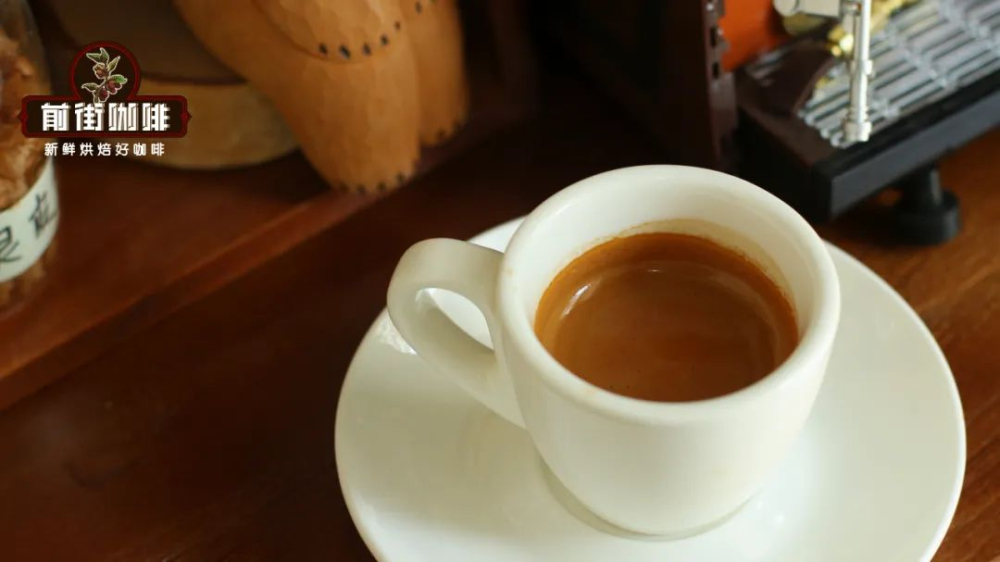
The manifestation of finish can also be either positive or negative. High-quality coffee typically delivers a pleasant positive finish, such as floral notes, fruit sweetness, honey-like sensations, or even tea-like nuances, and "aftertaste" is one typical example of a positive finish. Conversely, negative finish may present as woody, cardboard-like, plastic-like sensations, or as dryness, roughness, and throat discomfort. When evaluating a coffee’s finish, in addition to the quality of texture, the duration is also a key metric. Premium coffee can deliver a finish that lingers for several minutes—for instance, a high-quality espresso may still emit chocolate and cocoa aromas for about ten minutes after drinking. A coffee with a short finish, even without obvious unpleasant tastes, may see its aromas vanish within mere seconds. If you’re brewing espresso at home, consider classic blends, commercial blends, specialty blends, or dark cocoa blends, all of which have a strong reputation for both finish and flavor performance.
So, how does aftertaste specifically manifest? Typically, when you take a sip of coffee, you may initially perceive mild bitterness or sour astringency. As time passes, sweetness gradually emerges and eventually dominates the overall finish—this is the so-called experience of aftertaste. It can also be understood as a "bitter before sweet" taste process: as the bitterness in the mouth gradually fades, a fresh sweetness resurfaces and persists for a while. For example, similar to the unique youdan fruit from Chaoshan, which initially bites tart and stimulating, but then brings a lasting sensation of saliva and sweetness, this shift from stimulation to aftertaste shares similarities with certain coffee varieties.
From this, it’s evident that the emergence of aftertaste generally requires a certain level of bitterness or astringency as a foundation. This differs from the direct sweetness felt when simply eating sugar, because the "sweetness" of aftertaste is highlighted only through contrast and layered buildup. However, it’s important to note that there is no absolute correlation between the intensity of bitterness and the quality of aftertaste. A coffee that is overly bitter and astringent due to over-extraction may still exhibit no aftertaste whatsoever, despite its pronounced bitterness.
When evaluating dark roasted coffee, aftertaste is often a key indicator. For instance, Brazil Queen Estate coffee presents flavors that begin with stir-fried peanut and dark chocolate aromas accompanied by a hint of bitterness, which gradually fades to reveal a distinct and enduring sweetness. This transition and continuity is a prime example of excellent aftertaste performance. Similarly, PWN Golden Mandheling uses medium-dark roasting, with flavors featuring rich caramel notes. Upon tasting, one can perceive complex layers of herbs, spices, and sandalwood, and the mouth retains a thick, sweet finish for a long time afterward, making it another representative of aftertaste-style coffee.
In contrast, many coffees brewed using light roasting methods, while highlighting floral and rich fruity acidity, often lack the deep, robust bitterness base characteristic of dark roasts. Light roast coffee contains more small-molecule compounds, which are highly hydrophilic and volatile. Coupled with high concentrations of organic acids, they stimulate saliva production, further accelerating flavor dissipation. As a result, the finish of light roast coffee is usually less noticeable and less enduring. This is why baristas describing such fruit- and flower-forward coffees tend to use terms like "lingering aroma" or "acidic-sweet aftertaste" rather than directly referring to them as "aftertaste."
If you particularly enjoy high-sweetness coffee with aftertaste characteristics, you might want to try Boquete Geisha. The finish of this coffee is often described as elegant, reminiscent of Tieguanyin tea notes, accompanied by the fresh fruity acidity of tangerine and the honey-like dense sweetness, all contributing to a richly layered and long-lasting finish. Additionally, sometimes drinkers mistakenly interpret the sweetness felt after drinking coffee and then having water as aftertaste. But in reality, this is a sensory contrast effect caused by the prior bitterness stimulation. After tasting bitter coffee, plain water may be perceived as sweet—a phenomenon similar to how water tastes sweeter after eating a lemon. Therefore, to some extent, aftertaste can also be seen as an illusory sweet feedback response triggered by the mouth’s reaction to bitterness stimulation.
The above content is compiled by CoffeeHunters, a coffee news website.


