







Introduction:When selecting espresso beans, a common dilemma is: should you choose a medium-dark roasted Mandheling or a medium-light roasted Yirgacheffe? These two classic origin beans represent the richness of dark roasts and the brightness of light roasts, respectively. This article delves into the production characteristics, processing methods, roast levels, and flavor profiles of Indonesia’s Golden Mandheling and Ethiopia’s Yirgacheffe, helping you understand how different roast styles influence the performance of an espresso or latte, and assisting you in making a more precise choice based on your taste preferences.
When choosing espresso beans, roast level is often the key factor that determines the direction of the flavor. Medium-dark and medium-light roasts not only affect the color and aroma of the coffee but also directly influence the balance of acidity, sweetness, and bitterness, as well as the overall mouthfeel. Using Indonesia’s Golden Mandheling and Ethiopia’s Yirgacheffe as examples, this article provides an in-depth analysis of the differences between the two roast depths—from origin background, processing methods, roast profiles, to actual flavor characteristics—so you can better understand which type aligns with your taste buds.
Indonesia · Golden Mandheling: The Spice and Caramel Charm of Medium-Dark Roast
The Golden Mandheling from Sumatra’s Lintong region in Indonesia is a premium-grade Mandheling sourced and carefully selected by the renowned local Pwani Coffee Company. This bean, known by the name “PWN,” is a registered trademark of the company—only Mandheling produced locally by this company can be authentically called “Golden Mandheling.” In terms of origin, the Lintong region is famed for its high altitude and fertile volcanic soil, making it a key source of fine Mandheling in Indonesia.
This coffee is meticulously handpicked during harvest, selecting only ripe red cherries to ensure consistent bean quality. The processing method employs semi-washed (honey) technique: first removing the mucilage, then naturally sun-drying, followed by hulling and secondary refining, as well as undergoing two rounds of green bean cleaning and four rounds of manual screening—an exceptionally refined processing procedure.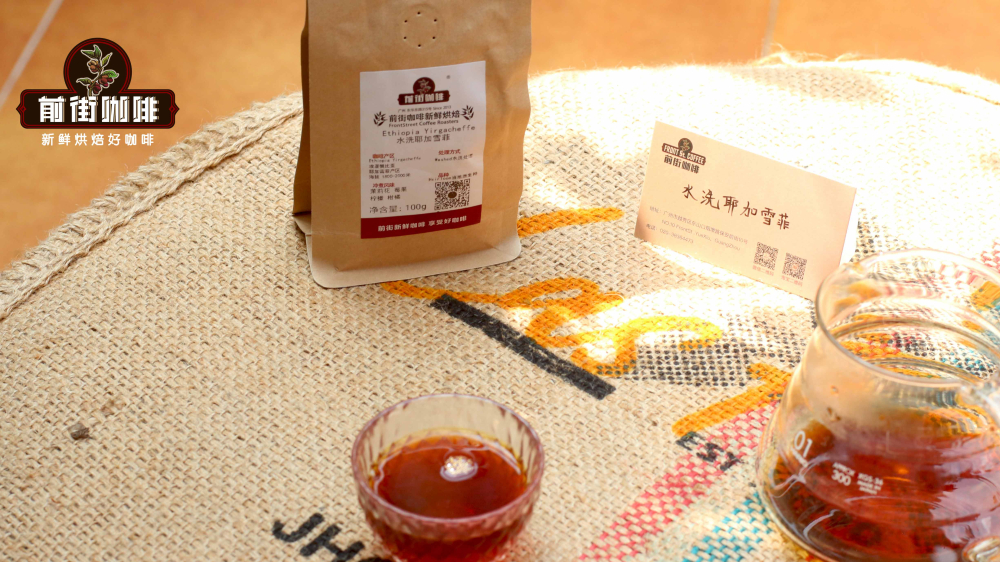
In terms of roasting, Golden Mandheling is generally recommended to be roasted to a medium-dark level, even approaching the start of the second crack or the dense phase of the second crack. This roast level fully brings out its herbal, spicy, and caramel layers. The acidity is deep and steady, the sweetness is pronounced and full-bodied, and the aftertaste carries a mellow spiciness along with a rich woody character. It’s worth mentioning that even when dropped just before the second crack, it still delivers excellent sweetness and clarity, showcasing the bean’s high adaptability and expressive potential in roasting.
Ethiopia · Yirgacheffe Guddina: The Floral and Fruity Freshness of Medium-Light Roast
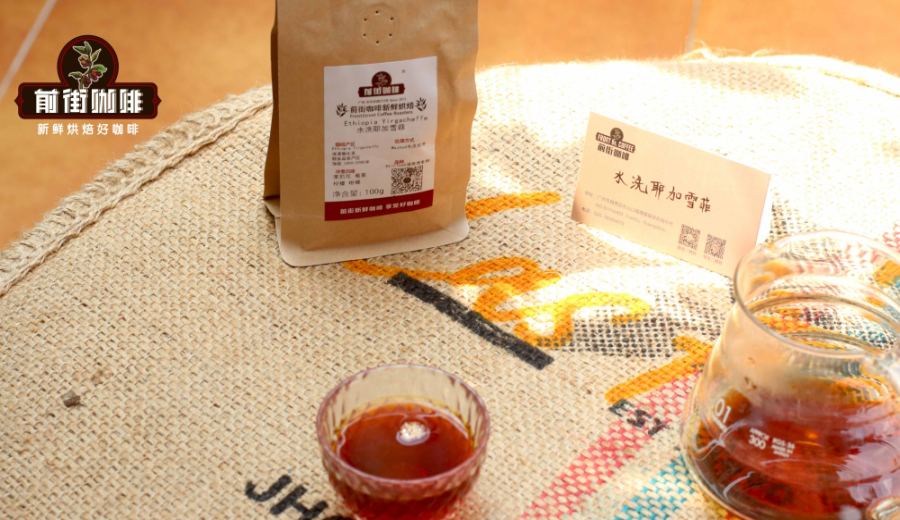
Turning to the highlands of Africa—Ethiopia—we arrive at the Guddina region, situated at an altitude of 1650 to 1800 meters. This area is a micro-region within Yirgacheffe, where the harvest season typically runs from November to December. Most coffee farms here maintain traditional agricultural practices, with hand-tended coffee trees and no chemical inputs, so even without organic certification, it is generally considered close to organic cultivation.
This washed Yirgacheffe from Guddina uses the washed processing method, which, compared to the natural/dry method, requires more water—but also allows for more efficient removal of pulp and impurities, preserving more of the bean’s intrinsic essence. The washing process involves multiple rinses and fermentations, with beans regularly turned on the drying beds to ensure even ventilation and prevent over-fermentation, resulting in a clean and bright foundational flavor.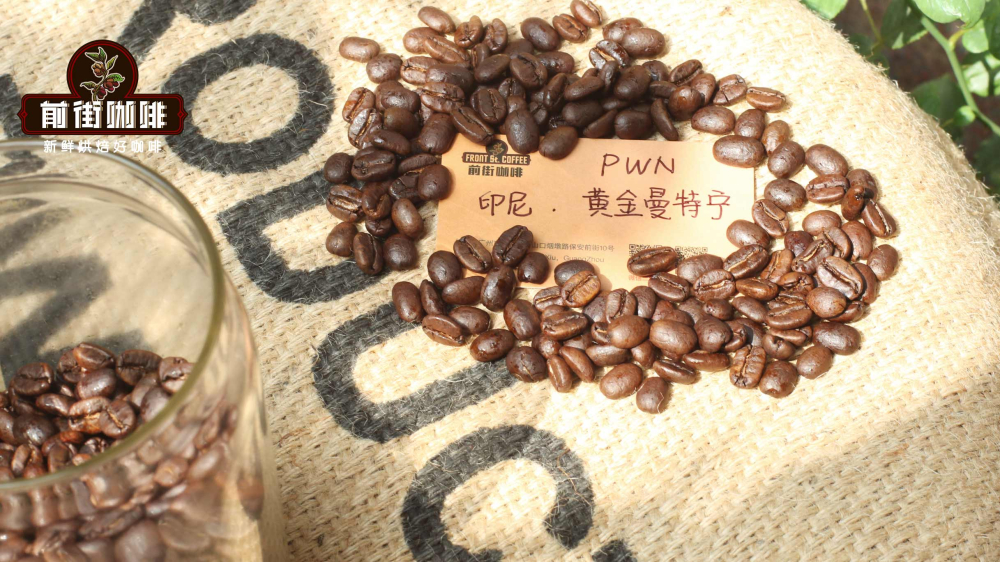
In terms of flavor profile, this Yirgacheffe is dominated by floral and fruity notes, often exhibiting distinct jasmine, lemon, berry, and tropical fruit tones such as pineapple and apple. The acidity is clean and bright, the mouthfeel is smooth, and the aftertaste is long-lasting—making it ideal for those who prefer bright, refreshing coffees. For roasting, a medium-light roast can best highlight its native floral and fruity characteristics. If roasted further to medium-dark, it will gradually shift toward nutty and caramel aromas, but may mask its delicate floral layers.
Medium-Dark vs Medium-Light: How to Choose the Roast Style That Suits You?
Overall, Indonesia’s medium-dark roasted Mandheling, with its rich spice base and prominent caramel sweetness, is highly suitable for espresso-based drinks, bringing a full-bodied mouthfeel and stable aftertaste to lattes or cappuccinos. On the other hand, Ethiopia’s medium-light roasted Yirgacheffe excels at showcasing bright floral and fruity notes, catering to those who enjoy vibrant flavors and lively acidity. It also serves as an excellent choice for single-origin pour over or lightly roasted espresso.
No matter which style you prefer, understanding the characteristics of different origins and roast levels can help guide your coffee bean selection and enable you to brew the cup that best suits your taste.
The above content is compiled by CoffeeHunters, a coffee news website.


