







Introduction:Sumatran coffee is renowned for its bold and rich characteristics, but the differences between the “Two Lakes and Two Mandheling” often cause confusion. This article delves into the Mandheling from the Lake Tawar region in Aceh, exploring its cultivation background, wet-hulling processing method, and the actual performance of a well-known brand’s G1 and PWN Golden Mandheling. It helps coffee enthusiasts understand the regional traits, processing techniques, and brewing recommendations to more accurately appreciate the unique charm of this classic Southeast Asian bean.
When it comes to Sumatran Mandheling, many coffee lovers immediately think of a bold, full-bodied flavor with distinctive herbal and spicy notes. However, Sumatra can actually be divided into two major well-known regions—Lake Toba and Lake Tawar. Though both are in Sumatra, their differing geographical locations, ethnic cultivation practices, and processing methods give rise to Mandhelings with distinctly different flavor profiles. This article will focus on the Lake Tawar region in Aceh Province, analyzing its historical background, unique wet-hulling process, as well as the grade characteristics and actual brewing performance of a certain brand’s Mandheling G1 and PWN Golden Mandheling.
The popularity of Sumatran Mandheling stems not only from its intense mouthfeel and unique regional aromas but also from its suitability for various brewing methods. Whether it’s pour over, French press, siphon, or espresso machines, it can showcase its rich layers. However, to truly appreciate its essence, one must first understand its regional differences. Generally, Sumatran Mandheling can be divided into two main lines: one represented by Lake Toba in North Sumatra, such as Lintong Mandheling and PWN Golden Mandheling; and the other being the Aceh Lake Tawar region, which has gained attention more recently, mainly including Gayo Mandheling and Takengon Mandheling.
The term “Two Lakes and Two Mandhelings” is familiar but also easy to confuse. In fact, Lake Toba is located in North Sumatra Province (latitude 2.5°N), while Lake Tawar is in Aceh Province (latitude 4.5°N). The two are over 300 kilometers apart, and their coffee cultivation histories differ by at least 36 years. Mandheling from the Lake Toba region usually has deep, muted aromas, with notes of grass jelly and even earthiness, whereas Mandheling from Lake Tawar, influenced by altitude and microclimate, often displays brighter fruit acidity, woody aromas, and even hints of cedar.
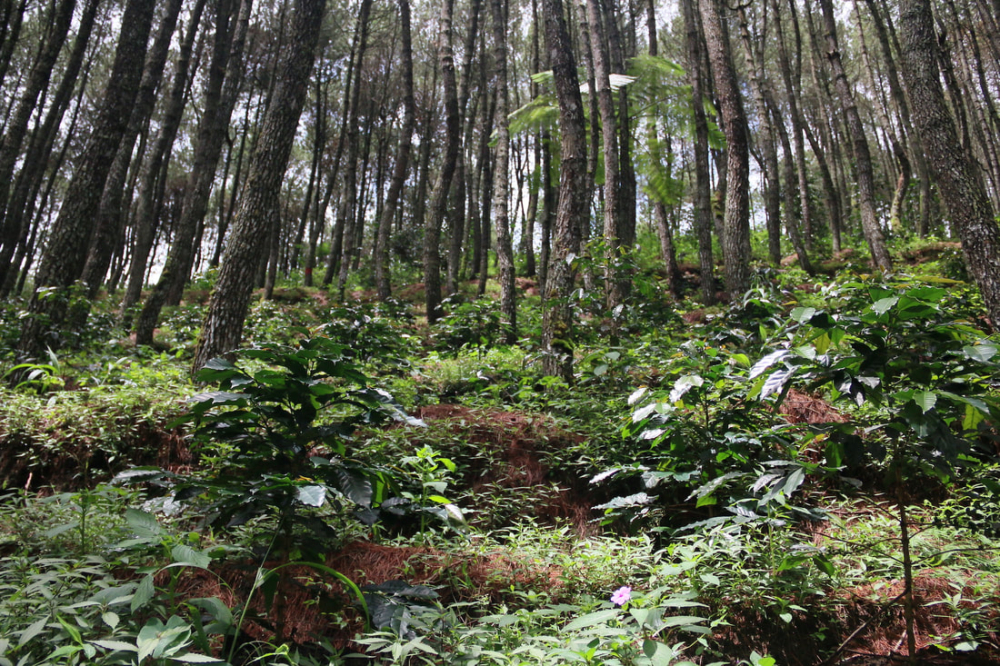
Lake Tawar is located in the Gayo Highlands of northern Aceh Province. This area features an equatorial tropical rainforest climate, with high temperatures and humidity year-round, plus fertile volcanic soil, providing ideal conditions for coffee growth. However, due to historically poor transportation, coffee cultivation in the region started relatively late, around 1924, and is mostly grown under shade without the use of pesticides, following organic practices. The humid environment poses a challenge for coffee processing, so Indonesia developed the unique “wet-hulling method” (Giling Basah, or Wet-Hulled). This method involves initially washing and fermenting the parchment coffee, then drying it for just one to two days with moisture content still as high as 30% to 50% before hulling the beans and continuing the drying process, eventually reducing the green bean moisture content to 12% to 13%. This method significantly shortens the drying time but also gives the coffee a thicker, deeper, and uniquely textured profile.
The name “Mandheling” itself has an interesting backstory rooted in a misunderstanding. Legend has it that during the Japanese occupation in the 1940s, a Japanese soldier was amazed by the local coffee and asked what kind it was. Due to the language barrier, the locals misunderstood him as asking about their ethnicity, and replied that they were “Mandailing people.” Later, the name was phonetically transcribed as “Mandheling,” unexpectedly becoming the synonym for Sumatran coffee.
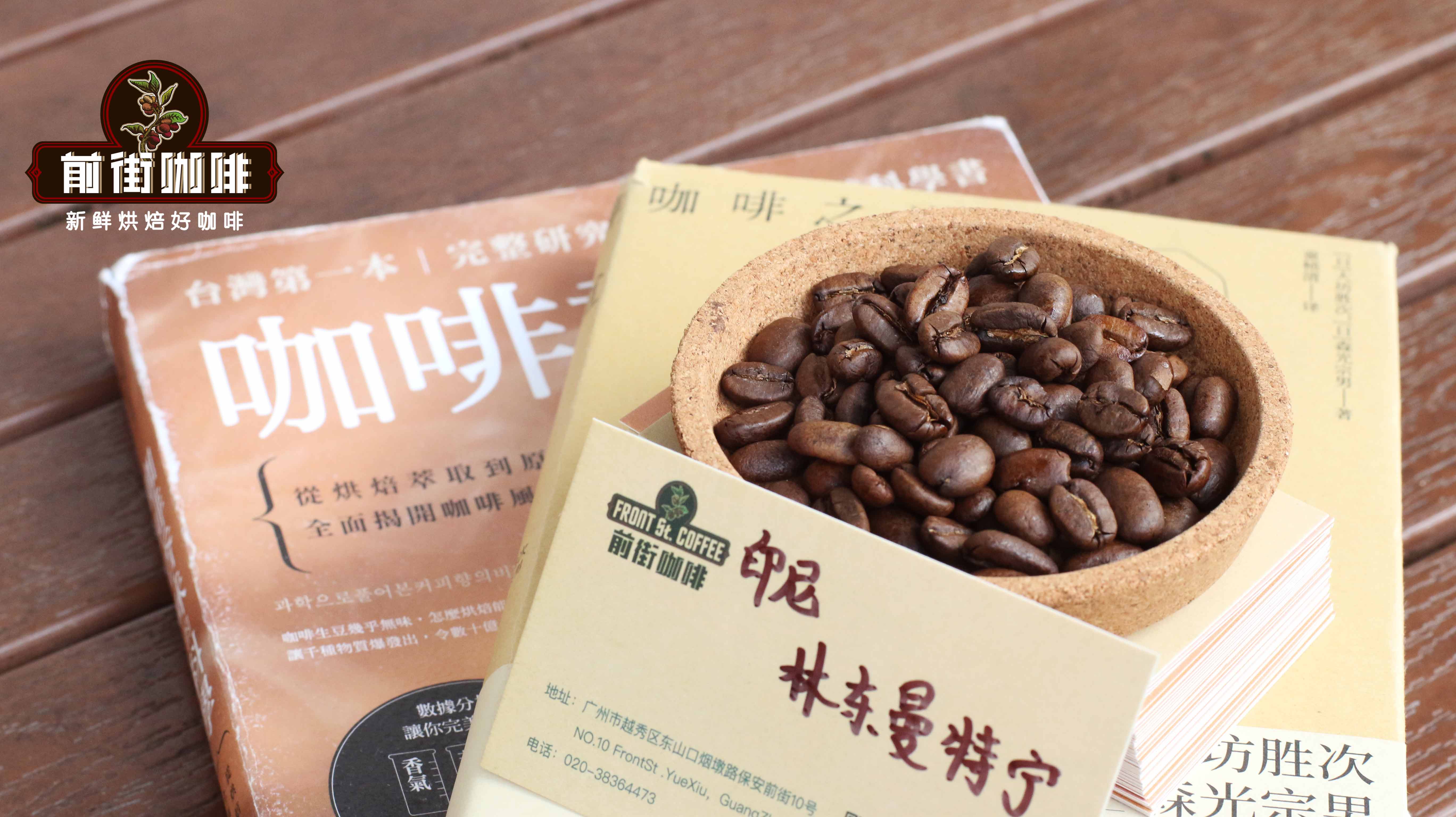
Mandheling green beans produced in Lake Tawar typically exhibit a vibrant green color, with intact bean shapes and careful selection. A certain brand’s Mandheling G1 is the highest officially recognized grade in Indonesia, representing beans that have been handpicked and individually selected, retaining only the highest-quality coffee beans. This G1-grade Mandheling boasts distinct notes of caramel, spices, pine, herbs, and dark chocolate. It suits various extraction methods—whether using a pour over with a medium-fine grind (like the size of fine sugar) and water temperature controlled between 90–93°C, or espresso, it showcases its rich and bold character.
For those seeking an even more premium-grade Mandheling, consider a certain brand’s PWN Golden Mandheling. These beans undergo three rounds of manual hand selection plus one mechanical screening, resulting in large and uniform beans. After medium-dark roasting, they emit intense notes of spices, cedar, and dark chocolate. Brewing is recommended using a medium-dark roast setting; when brewed with a moka pot, it not only delivers a rich mouthfeel but also shows excellent crema performance. Its flavor is refined yet carries a steady, full-bodied richness, with a long and layered aftertaste, fully showcasing the captivating complexity of Mandheling. It is considered a classic gem among many coffee aficionados.
The above content is compiled by CoffeeHunters, a coffee news website.


