







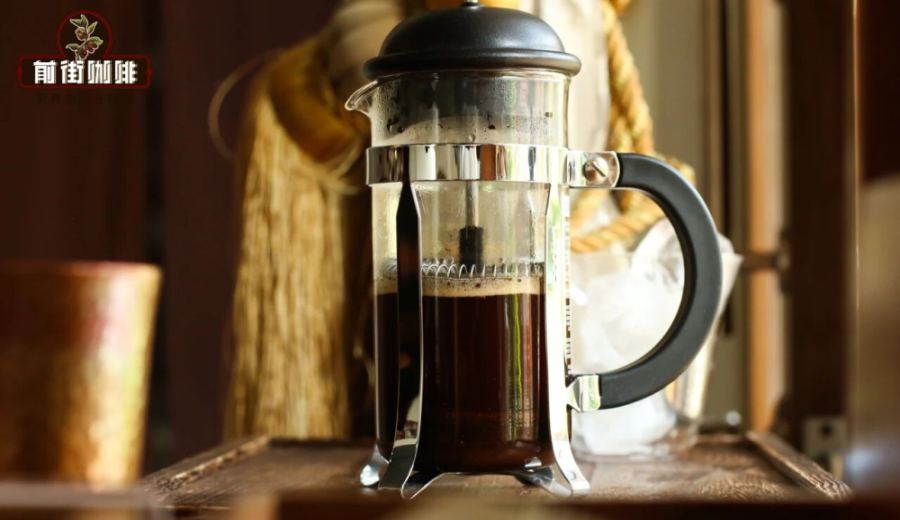
Introduction:The French press is the go-to brewing device for many coffee beginners due to its simplicity and ability to consistently extract the full flavor profile of coffee. This article will delve into how to brew a low-acid, rich French press coffee by selecting medium-to-dark roasted beans, mastering the golden 1:15 coffee-to-water ratio, and controlling a water temperature of 93°C and a 4-minute steeping time. We’ll also share the flavor profiles of actual bean varieties to help you find your ideal brewing method.
Thanks to its intuitive operation and lack of complicated techniques, the French press has become the preferred tool for many home coffee enthusiasts. It doesn’t require purchasing expensive equipment or worrying about having perfect technique—just master a few key elements, and you can easily brew a cup of balanced-flavor coffee. Compared to paper-filtered devices, the metal filter of the French press is coarser but retains more coffee oils and delicate flavors, presenting a layered taste that’s closer to the essence of the beans.
To brew great coffee with a French press, bean selection is the first step. It’s recommended to prioritize fresh, high-quality coffee beans—products from reputable roasters often offer better quality control and a wider variety of options. Especially for beginners, choosing medium-to-dark roasted beans makes it easier to manage. These beans, due to their darker roast level, release richer oils, helping to deliver a bold yet low-acid taste, while also reducing the risk of sharp acidity caused by brewing mistakes.
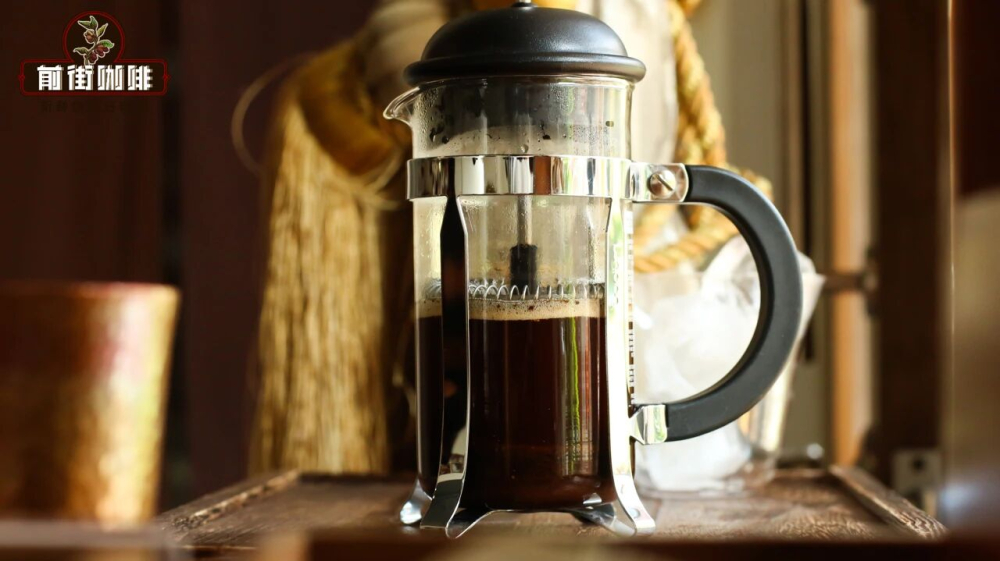
Among the many medium-to-dark roasted beans, some are particularly well-suited to the French press brewing style. For example, one variety with aromas of creamy peanut, roasted nuts, and chocolate offers a rich, full-bodied mouthfeel, and its toast-like aroma is a classic expression of the French press. Another combines notes of rose, grape, dried fruit, and blueberry. Though its flavor skews toward fruity and floral, brewing it in a French press can still yield a surprisingly smooth, juice-like experience. These differences can help you discover your favorite coffee experience based on personal preference.
Regarding the coffee-to-water ratio setting,1:15 the most commonly recommended golden ratio is 1:15—that is, 1 gram of coffee grounds to 15 milliliters of water. This ratio is not only easy for beginners to handle but also maintains a balance between flavor and strength. For a single cup of about 200 ml of coffee, using around 15 grams of coffee grounds is appropriate. It’s also recommended to grind the beans to a coarseness similar to coarse sugar, as too fine a grind may lead to over-extraction, while too coarse may result in under-extraction.
During actual brewing, start by grinding the beans and pouring them into the French press. Don’t worry too much about the exact fineness of the grind—keeping it in the medium to slightly coarse range is fine, such as the coarse sugar grain texture shown in the picture.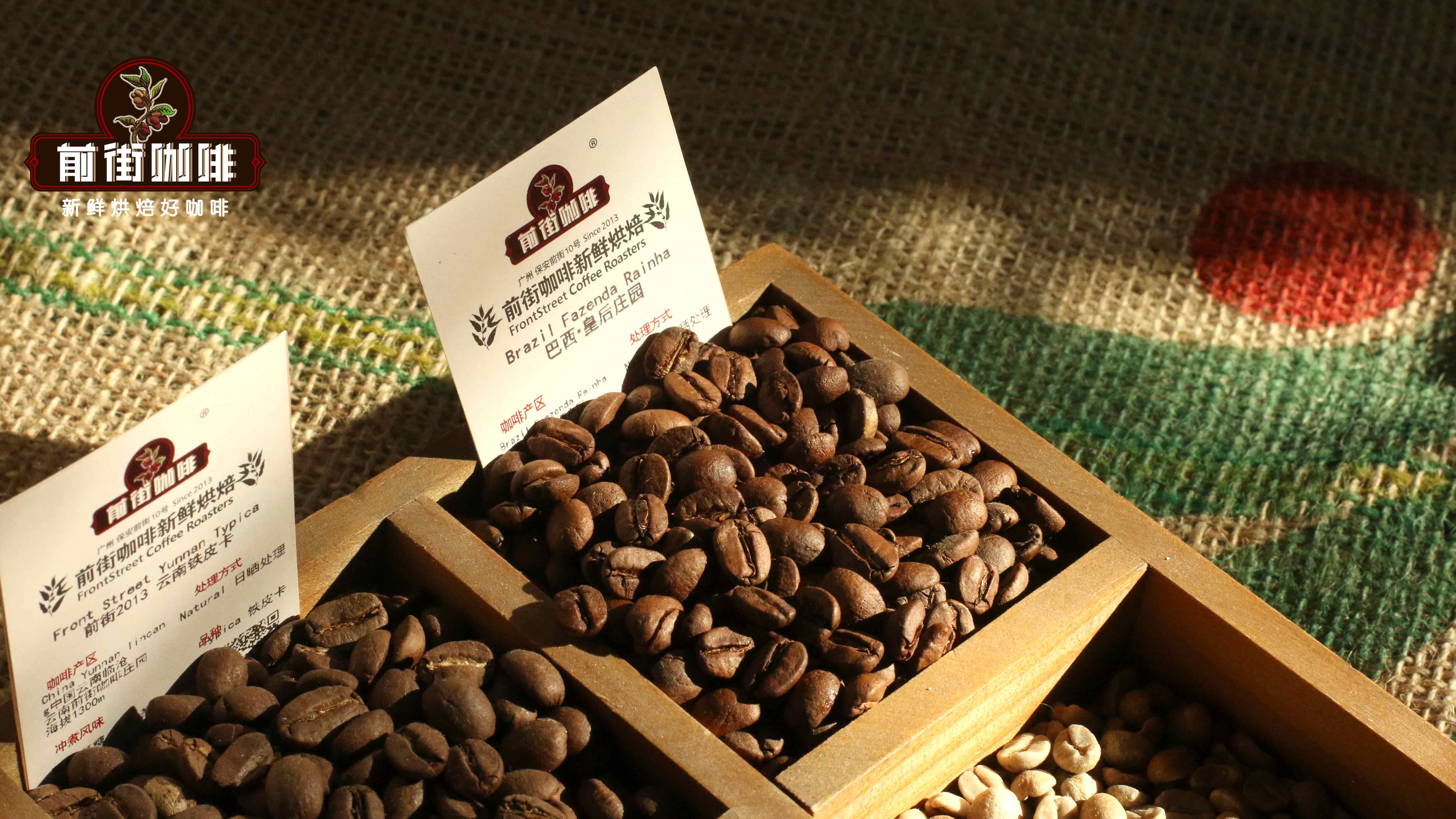
Next, heat the water to about 93℃93°C. This temperature effectively brings out the aroma and flavors of the coffee without being so high as to cause over-extraction or bitterness. When pouring hot water, calculate the required amount based on the coffee-to-water ratio—for example, use 200 ml of hot water if you’re using 20 grams of coffee grounds—and immediately stir gently with a spoon to ensure the coffee grounds are evenly wetted, which helps achieve consistent extraction.
After completing the water pouring and stirring, gently place the lid on the French press but keep the plunger at the top. Let the coffee grounds steep for 4 minutes to allow the flavors to fully develop. This period is crucial for flavor release, and it’s recommended not to shorten or extend it too much to avoid affecting the final taste.
Before pressing down the plunger, you can open the lid and remove any floating coffee foam and fine residue with a spoon. This can make the final coffee taste smoother. Then steadily press the plunger down to the bottom, maintaining even pressure throughout to avoid applying too much force, which could lead to uneven extraction.
The final key step is: after brewing is complete, immediately pour out the coffee to prevent the coffee grounds from continuing to steep in the pot, which could lead to over-extraction and affect the flavor. It’s recommended to pour the coffee into a thermos or other container so you can enjoy a rich, low-acid French press coffee anytime.
The above content is compiled by CoffeeHunters, a coffee news website.


