







Introduction:The captivating allure of coffee often begins with its very first whiff. But do you know what components make up coffee’s aroma? What chemical reactions take place during the roasting process? This article delves into over 1,200 volatile compounds, guiding you through the four major aroma categories—enzymatic, caramel, dry distillation, and defect—as it breaks down the differences between dry and wet aromas, and unveils why coffee often smells better than it tastes.
What often moves people most about coffee is not the first sip, but that intense dry aroma released the moment the beans are ground. Even those who don’t drink coffee often may pause at the fragrance released during grinding. In some cafés, it’s common to see first-time single-origin coffee drinkers more intrigued by the dry aroma of coffee grounds or the wet aroma after brewing, rather than the actual taste in the cup.
The public’s impression of coffee flavor often remains stuck in the dark roast era—intense aromas woven from spices, nuts, caramel, and woody notes, paired with pronounced bitterness, leaving the impression that “coffee smells great but tastes bitter.” However, with the rise of the light roast trend, the world of coffee is no longer defined solely by astringency and bitterness. Layers of acidity and sweetness have gradually emerged, and aromas have become more diverse—from floral and citrus to tropical fruits and sugary notes, offering an endless array of scents.
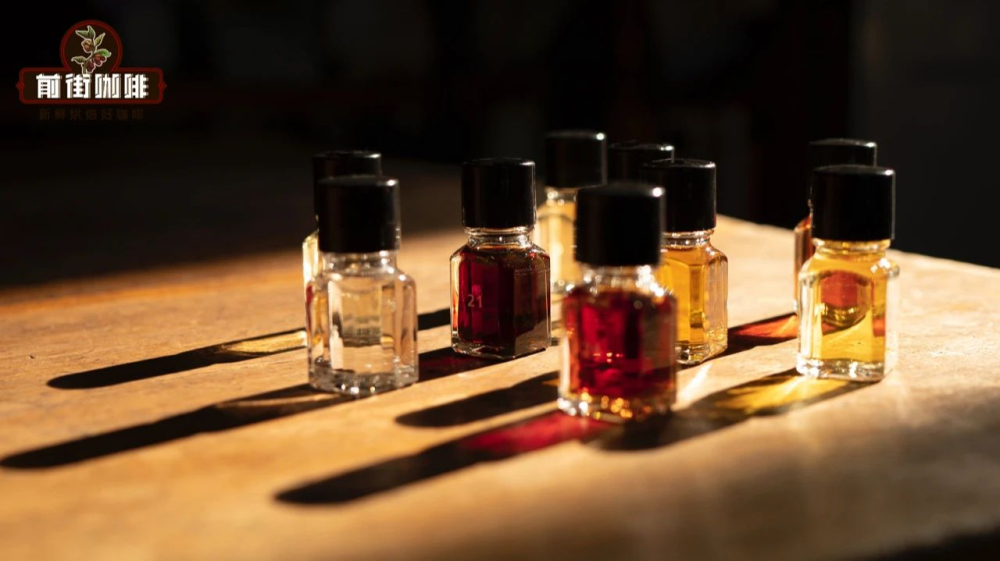
The richness of coffee aroma stems from the more than 1,200 volatile and semi-volatile compounds contained in green beans, which together form the complex aromatic profile of coffee. For ease of understanding, the industry generally categorizes these aromas into four types: enzymatic, caramel, dry distillation, and defect.
Enzymatic aromas come from enzyme-catalyzed reactions during the coffee plant’s growth and processing, leaning toward fresh, acidic, and sweet flavors. Common descriptors include floral, lemon, peach, honey, and even a greenish note reminiscent of cucumber. These aromas are typically more pronounced in light to medium roasts and are one of the elements that leave a deep impression on many when they first try specialty coffee.
Caramel aromas are the products of Maillard reactions and caramelization during roasting, yielding rich, sweet notes such as caramel, maple syrup, dark chocolate, and roasted nuts. These aromas are commonly found in medium to medium-dark roasts and serve as essential flavor pillars in many classic pour over recipes.
 Dry distillation aromas arise from the high-temperature charring of fibrous materials during roasting, producing deep, resonant notes like spices, woody tones, and smokiness. These aromas are particularly prominent under high-temperature, long-duration roasting and can add layers of complexity to coffee when used appropriately, but excessive presence can easily mask other delicate flavors.
Defect aromas usually stem from quality flaws in the beans or mistakes in roasting, such as rubbery, leathery, earthy, or rotten fruit notes. These aromas can significantly impact the overall drinking experience and are red flags to watch for when evaluating coffee quality.
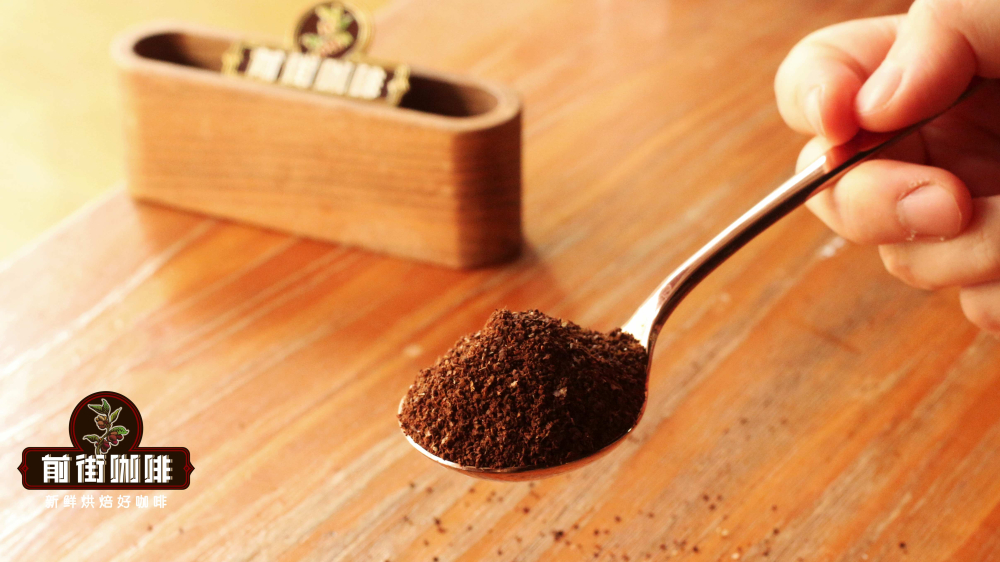
So why does coffee often smell better than it tastes? The key lies in the dry aroma released after grinding. When coffee beans are ground into powder, their surface area increases dramatically, causing volatile aromatic compounds to be rapidly released—even without bringing your nose close, the rich scent is palpable. This part of the aroma includes not only the fresh and sweet notes of the enzymatic and caramel groups, but also captures the deeper tones of the dry distillation group, marking the most significant difference between dry and wet aromas.
Wet aroma refers to the scent released after the coffee liquid has been brewed. Because the liquid state limits the volatility of the aroma, it often requires bringing your nose close to the rim of the cup to fully perceive it. Different brewing methods and parameters can influence how wet aroma presents itself—for example, fine grinding and high water temperature tend to highlight acidity and fruity-floral notes, while coarse grinding and lower temperatures may emphasize sweetness and nutty tones more clearly.
A common phenomenon is that many people are drawn to try coffee because of its aroma, but feel let down upon tasting—the aroma has raised their expectations, yet the actual flavor may not align with the memory or association. For instance, noticing strong honey or roasted sweet potato aromas might lead one to anticipate an overly sweet cup, but in reality, especially for those new to coffee, acidity or bitterness may stand out more prominently.
In addition, while drinking, we can also perceive aromas through "retronasal olfaction"—when coffee liquid is aerosolized in the mouth, aromatic compounds travel back up the vapor to the nasal cavity, creating another layer of flavor experience. However, compared to directly smelling the coffee, this olfactory perception is usually less pronounced and can easily be overlooked.
The above content is compiled by CoffeeHunters, a coffee news website.


