







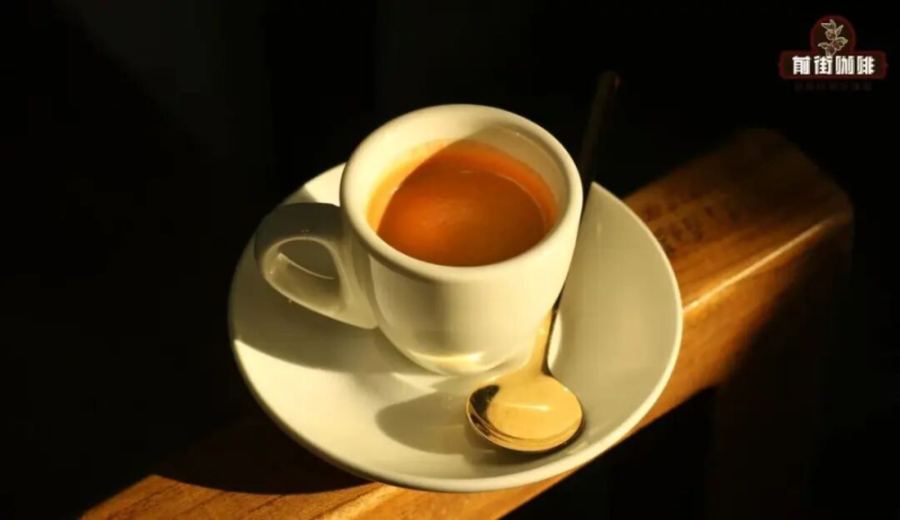
Introduction:The variety of coffee beans on the market can be overwhelming for beginners, who often struggle to understand the differences between pour over, single-origin, and blended beans—or how to choose the right home brewing beans. This article starts with the basics, analyzing the characteristics of these three types of coffee beans, their suitable brewing methods, factors influencing flavor, and providing practical advice on purchasing and storage, so you can easily find your perfect cup.
When walking into a café or specialty coffee bean shop, terms like “pour over beans,” “single-origin beans,” and “blended beans” often leave many novice coffee enthusiasts puzzled. What do they mean exactly? And how do you choose the right coffee beans based on your preferences and brewing method? This article will break down these three categories in detail, guiding you from concept to practical application and mastering the key tips for selecting home coffee beans.
Blended Coffee Beans: Balancing Flavor and Brewing Needs
Blended beans are made by combining two or more types of coffee beans in specific proportions, usually aiming to achieve a consistent and rich flavor profile. Common blends combine beans from different regions, varieties, or roast levels to complement each other’s strengths and weaknesses. For example, to give espresso more layers and crema, blended beans are often medium to dark roasted, emphasizing a bold and full-bodied taste.
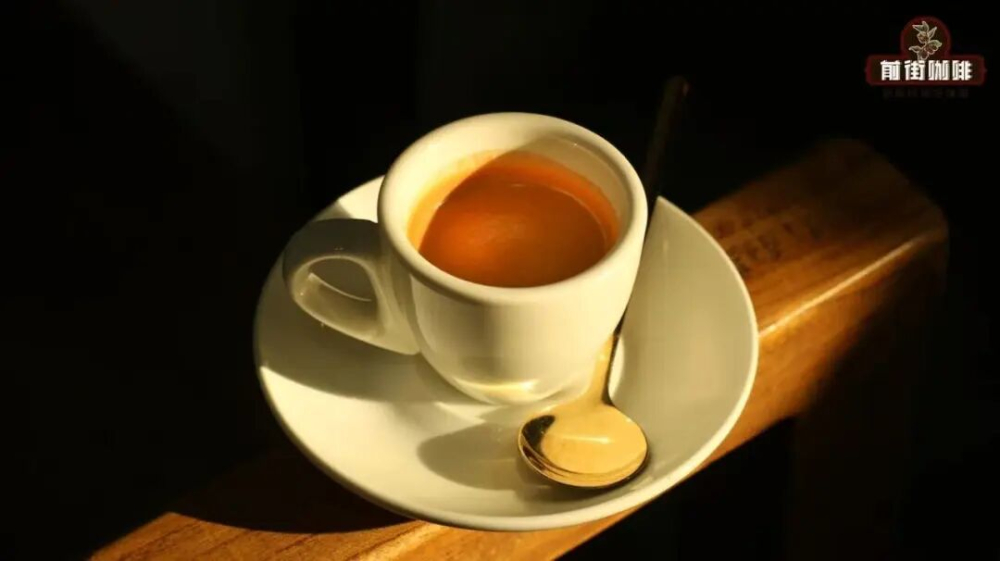
Blend designs are generally not arbitrary but are the result of repeated testing and adjustments, allowing different beans to enhance each other’s flavors—for instance, using nutty notes as a base, then adding caramel or dark chocolate tones to create a smoother overall mouthfeel. Common blend combinations might include Indonesian Mandheling, Brazilian semi-washed beans, and Vietnamese washed beans, which together can produce multi-layered flavors like nuts, dark chocolate, and caramel.
Single-Origin Coffee Beans: Showcasing the Essence of Regional Unique Flavors
Single-origin coffee beans refer to beans sourced from a single origin, growing environment, and processing method, highlighting the unique terroir influences on the coffee’s flavor. Single-origin beans are best suited for drip or immersion brewing methods such as pour over, drip bags, French press, moka pot, or siphon, which can more fully present their delicate flavor characteristics.
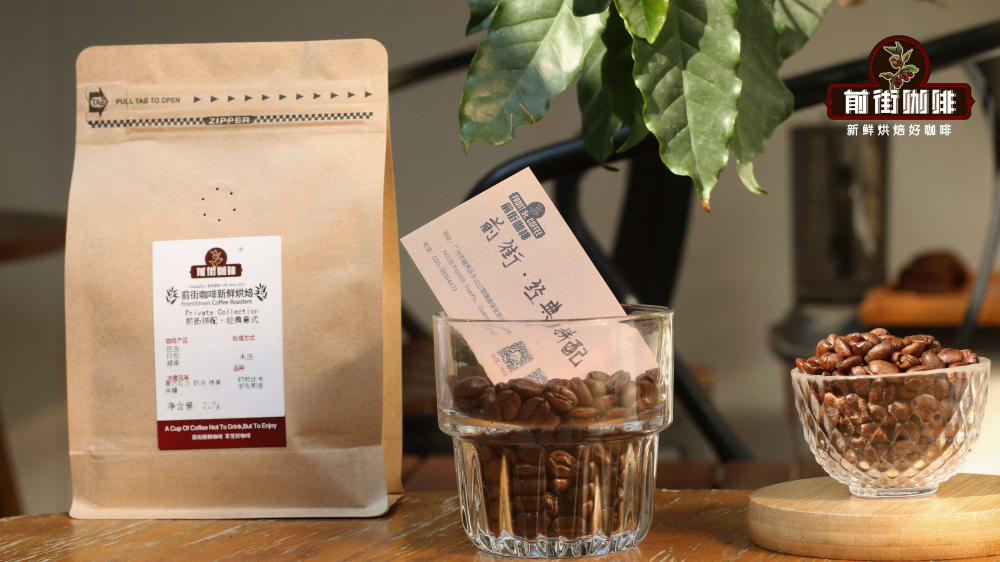
The flavor of single-origin beans is primarily determined by three factors: region, variety, and processing method. Regions can generally be divided into Asia, Africa, and Latin America, each imparting distinct characteristics to the beans due to differences in climate, soil, and altitude. For example, African beans often feature bright acidity and floral notes, while Latin American beans tend toward nutty, chocolatey, and caramel tones. Arabica is the most popular variety, and processing methods include washed, natural, and honey, all of which directly affect the final coffee profile.
In addition, when single-origin beans are used to make espresso, they are referred to as SOE (Single Origin Espresso), usually roasted medium to dark or darker to highlight their unique aroma and complexity, becoming a creative canvas for many baristas.
Pour Over Coffee Beans: Drip-Filtered Flavor Suited for High-Quality Single-Origin Beans
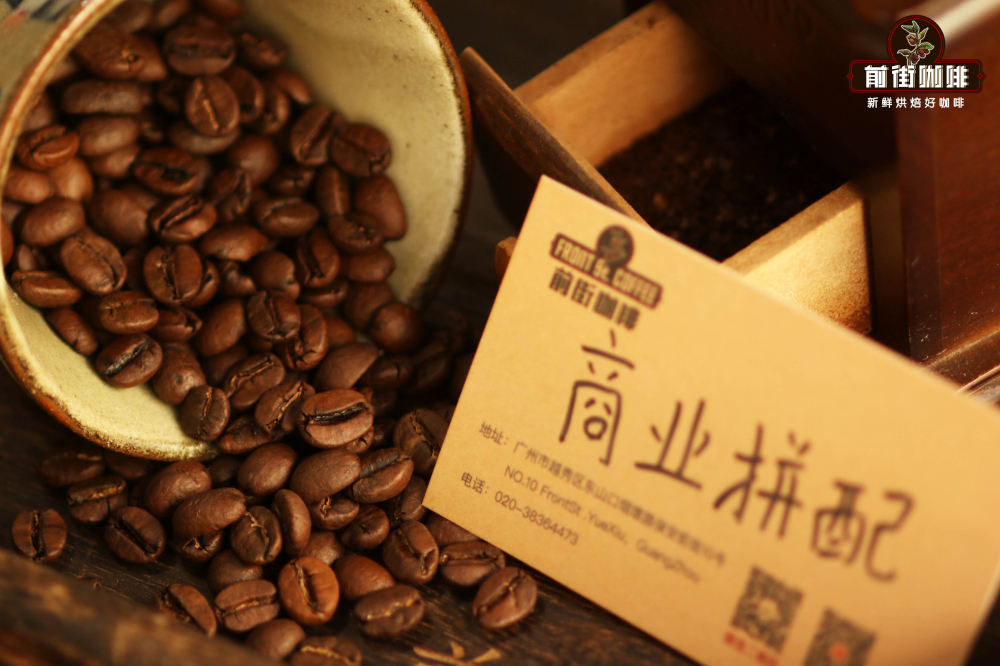
Although “pour over coffee beans” may sound like a standalone category, it simply refers to coffee beans brewed via the pour over method—not a specific bean type. Pour over is a form of drip filtration that allows for precise control over water temperature, flow rate, and brewing time, making it ideal for showcasing the delicate qualities of single-origin beans. If you want to fully experience the original flavors and layers of coffee, it’s recommended to choose high-quality single-origin beans and slowly extract their essence through the pour over method.
The key to pour over lies in stable water temperature (generally recommended at 90–94°C) and even pouring technique, making it suitable for coffee lovers who enjoy being hands-on in the brewing process and who seek detailed flavor experiences. No matter which beans you choose, with the right brewing techniques, you can enjoy a remarkable cup of pour over coffee.
Freshness is Key: When Is the Best Time to Drink After Roasting?
No matter which type of coffee beans you choose, “freshness” is the decisive factor affecting flavor. Generally speaking, the first two weeks after roasting are the optimal drinking window, but if stored for more than two months, aroma and flavor will noticeably decline. Therefore, it’s recommended to choose beans with aroasting date within10 days to ensure the most vibrant flavor expression. At the same time, proper storage is essential—avoid exposure to sunlight, moisture, and air, and it’s recommended to use sealed jars or professional coffee storage containers.
Practical Bean Selection Guide: From Bright to Bold, There's Something for Everyone
To help readers choose more intuitively, the following lists several common and representative coffee beans, sorted from bright to bold, and from acidic to bitter flavors, making it easy for you to quickly find your preferred option based on taste preference:
1. Ethiopia Yirgacheffe Gedeb Cooperative: Washed process, with flavor notes of white flowers, lemon, honey, berries, and green tea.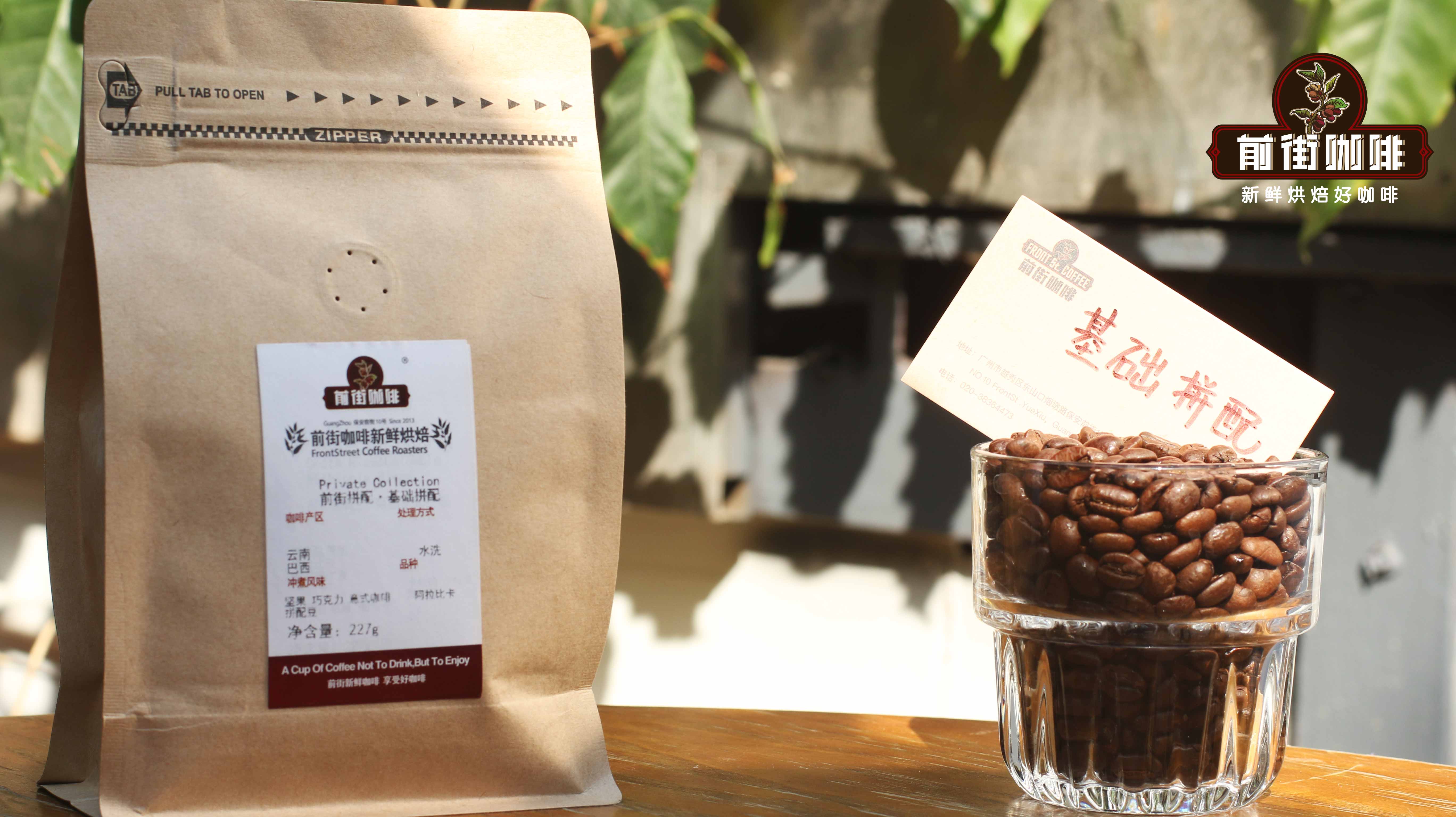
2. Indonesia Sumatra PWN Golden Mandheling: Wet-hulled process, featuring flavors of toasted bread, nuts, caramel, pine, and herbs.
3. Brazil Queen Estate: Semi-washed or natural process, offering sweet profiles of nuts, cream, peanuts, fermented fruit, and cane sugar.
4. Costa Rica Mozart: Anaerobic honey process, presenting flavors of raisin acidity, berries, flowers, and fermented wine notes.
5. Kenya Little Tomato: 72-hour washed process, with flavors including pear, dark plum, brown sugar, cherry tomatoes, and plums.
6. Colombia Gesha: Double anaerobic natural process, delivering juicy notes of passionfruit, grape, honey, and apricot.
7. Ethiopia Yirgacheffe Red Cherry Konga Cooperative: Natural process, with flavors of tropical fruit, cream, honey, berries, and citrus.
8. Panama Boquete Geisha: Washed process, showcasing delicate aromas of jasmine, cantaloupe, citrus, honey, and Tieguanyin tea.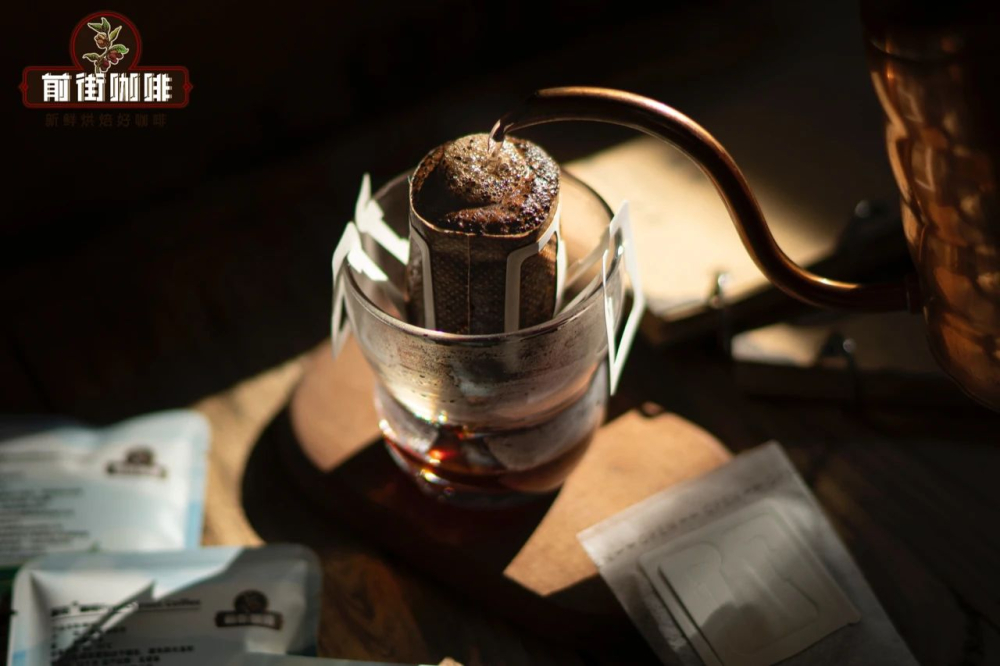
Whether you’re a beginner just starting with pour over or an enthusiast looking to explore single-origin and blended flavors, understanding these basic classifications and selection tips will give you more direction when buying coffee beans and help you brew a cup that truly suits your taste.
The above content is compiled by CoffeeHunters, a coffee news website.


