







Introduction:Costa Rica is renowned for its coffee with distinctly sweet flavor profiles, and its honey processing technique is a global benchmark. This article delves into the country’s eight major coffee-growing regions, primary varieties, and unique processing methods—highlighting popular pour over beans such as the Mirosu Estate Natural Geisha and the Musician Series—helping you understand each region’s characteristics, processing differences, and optimal brewing parameters to uncover the sweet secrets of Costa Rican coffee.
Costa Rican coffee is celebrated for its bright acidity and sweet, lingering finish, especially with its mastery of honey processing, which has become a model for the industry. Since 2013, the country’s specialty coffee has attracted enthusiasts worldwide with its distinctive sweetness, making it a top choice for pour over beginners. This piece will guide you through the regions, varieties, and processing methods, detailing classic coffees including the Mirosu Estate Natural Geisha, while also sharing practical pour over tips and flavor profiles.
Located in southern Central America, Costa Rica ranks seventh in annual coffee production among Central and South American countries and is one of the most organized coffee-growing regions globally. According to official statistics, its annual coffee output reaches 1,700 metric tons. Notably, Costa Rican law mandates that only Arabica varieties may be cultivated, making Robusta cultivation illegal—this has helped maintain the consistently high quality and reputation of its coffee. The esteemed status of coffee farmers has led to rigorous standards for every batch of beans, earning the country its reputation for “Golden Beans.”
Costa Rica was not only the first country in Central America to commercially cultivate coffee on a large scale, but its coffee industry has also laid a stable foundation for the nation’s politics, economy, and democratic system. This background has made local coffee techniques—from variety selection and cultivation management to post-harvest processing—a key reference for the global industry. The British Royal Family has even dubbed it the “Golden Bean,” underscoring its exceptional status.
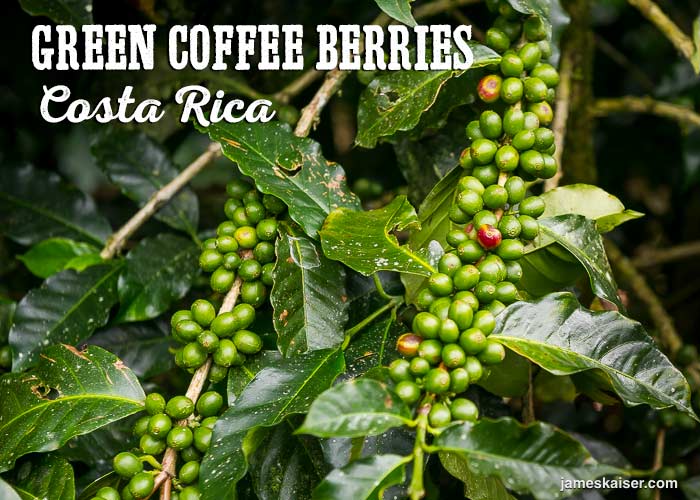
Costa Rica has eight major coffee-growing regions: Valley Central Occidental (Western Central Valley), Valley Central (Central Valley), Tarrazu, Tres Rios (Three Rivers), Orosi, Brunca, and Turrialba. Among these, Tarrazu is the most renowned for its high altitude and exceptional quality, being the origin of many well-known estates and specialty beans, typically grown at elevations between 1,300 and 2,000 meters. Additionally, the region’s volcanic soil is fertile and well-draining, rich in layered volcanic ash and organic matter, which aids coffee tree growth. Generally, the higher the altitude, the richer the sweetness and flavor complexity.
The approximate altitudes of each region are as follows:
Tarrazu (塔拉珠): 1,300–2,000 meters
Tres Rios (三水河): 1,400–1,800 meters
Valley Central Occidental (西部谷地): 1,200–1,650 meters
Valley Central (中央谷地): 1,200–1,600 meters
Orosi (歐羅西): 900–1,200 meters
Brunca (布倫卡): 800–1,200 meters
Turrialba (杜利阿爾巴): 600–900 meters
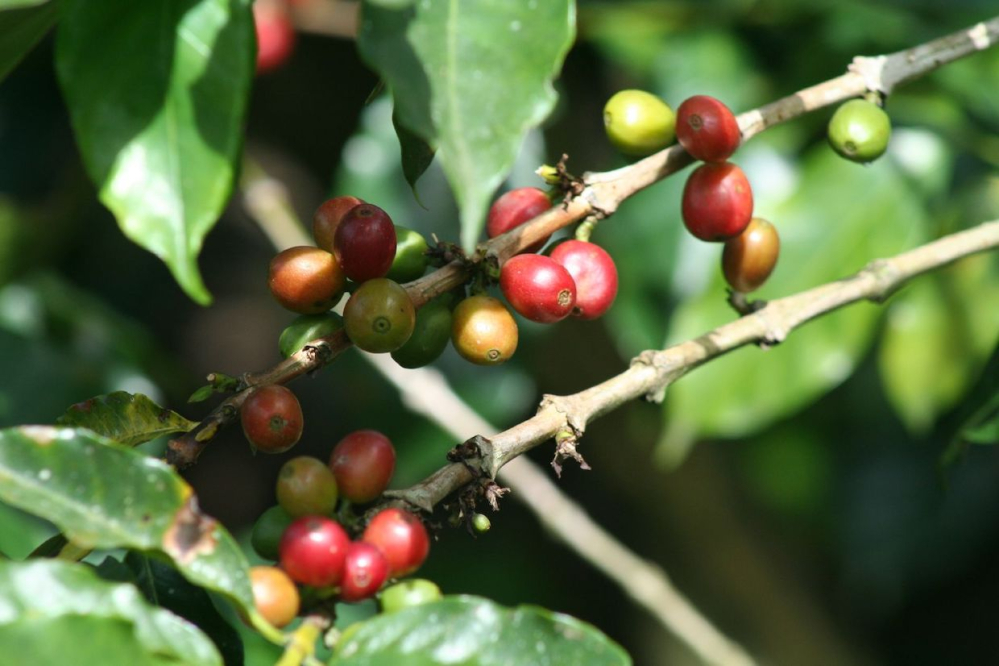
Costa Rican coffee is predominantly Arabica, a variety with low caffeine content and rich flavor expression, accounting for about 75% of global coffee production. Common varieties such as Bourbon, Caturra, Catuai, Villalobos, and Vilalobos are staples in the specialty coffee scene. Bourbon cherries ripen to a bright red color, offering pronounced acidity with wine-like notes and a sweet, smooth finish; Caturra is known for its adaptability and tolerance to sun exposure, though its flavor is slightly less complex than Bourbon, it is easy to manage and suitable for high-density planting; Catuai is sturdy and resistant to wind and rain, but has a simpler flavor profile and a fruit lifespan of only about ten years; Villalobos features complex aromas, suitable for medium-to-dark roasts, with dry fragrance hints of honey and cherry; Vilalobos performs exceptionally well at high altitudes, offering high sweetness and soft acidity.

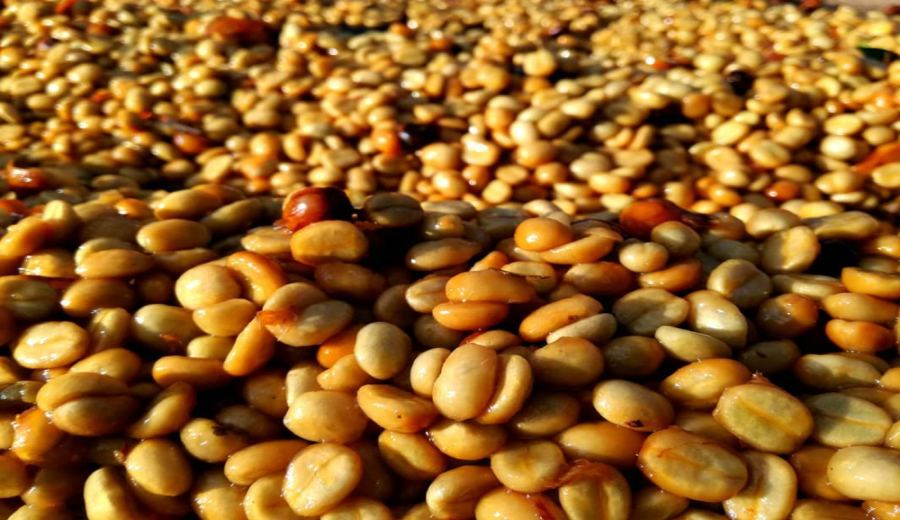
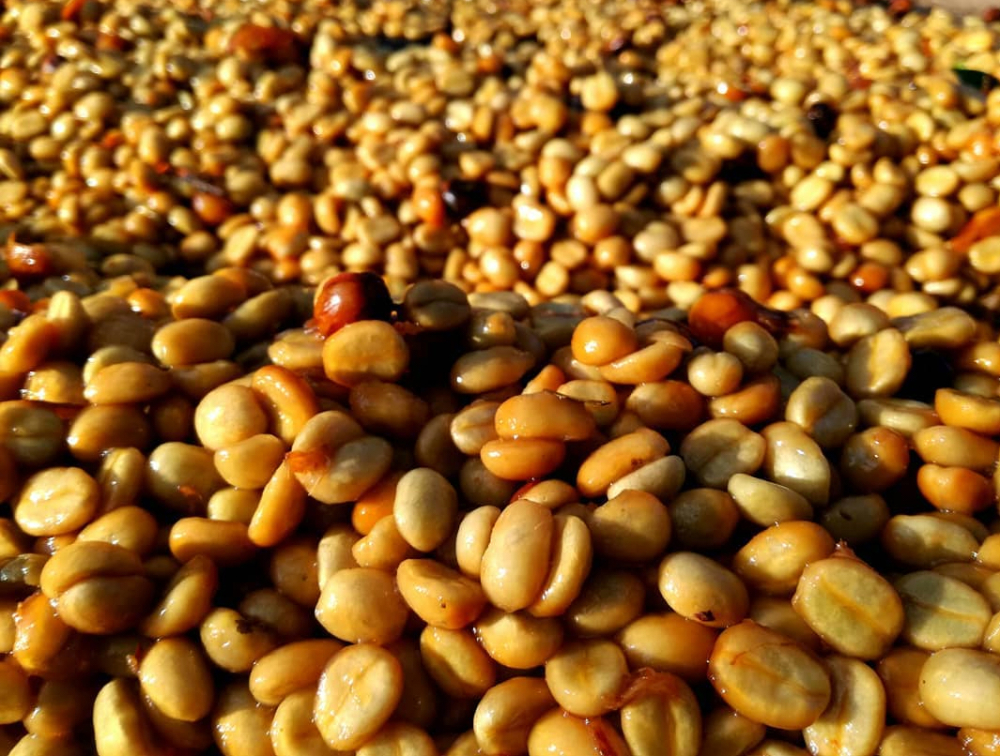
Costa Rica’s processing methods are also a key factor in its coffee flavors, particularly honey processing (Honey Process or Miel Process). This method retains the mucilage during sun drying without washing it off, resulting in more pronounced sweetness and caramel notes. Depending on the amount of mucilage retained, it is categorized into yellow honey (about 40% removed), red honey (about 25%), and black honey (nearly 80%). Drying times and flavor profiles vary: black honey is the sweetest, red honey offers the best balance, and yellow honey is the cleanest. Poorly executed honey processing can result in undesirable sun-dried flavors, such as onion or durian notes, which should be noted.
Additionally, Costa Rica has a unique raisin anaerobic honey process, where coffee cherries are dried until raisin-like before undergoing honey processing. This enhances fermentation characteristics, delivering extremely high sweetness and mucilage retention, often with complex flavors like honey, apricot, and peach, alongside soft and layered acidity.
In contrast, washed processing uses water to remove the mucilage, resulting in clean and bright flavors ideal for showcasing basic regional characteristics, often preferred by beginners; natural processing involves fermenting the whole cherry, adding sweetness and fermentation notes for a richer and more complex flavor profile.
Costa Rica’s Musician Series coffee beans, launched by the Canet Estate in Tarrazu, are named after classical composers including Beethoven, Mozart, Bach, and Chopin, each showcasing unique flavor personalities. For example, Mozart uses a raisin honey process, delivering flavors of berries, flowers, and fermented wine; Bach presents delicate fruit and wine notes with a pronounced honeyed candied finish; Beethoven, processed via washed method, offers fresh berry and citrus notes, perfect for summer sipping; Chopin, with raisin honey processing, evokes a romantic aroma of roses and berries.
Beyond the Musician Series, Costa Rica has many other noteworthy regions and estate beans. For instance, Fire Phoenix Sapphire Coffee from the Central Valley uses natural processing to highlight strawberry, tropical fruit, and honey aromas. The cherries are harvested only when their sweetness exceeds 20%, and they are organically grown, resulting in unique and eco-friendly flavors; Rume Sudan, an ancient Ethiopian landrace, offers citrus, berry, and oolong tea notes, rare yet remarkably flavorful; Little Candle Estate’s Geisha, processed via washed method, showcases delicate flavors of lemon, jasmine, and honey, representing the local Geisha expression.
Finally, the Mirosu Estate Natural Geisha is another must-try specialty bean. Managed by an agricultural doctor with expertise in processing development, this Natural Geisha is planted at 1,700 meters altitude, primarily using the original Geisha variety. The beans are processed with full mucilage retention under sun drying, yielding sweet flavor notes of strawberry, peach, cinnamon, and jasmine. With its pronounced sweetness and approachable profile, it’s an excellent entry point for exploring Geisha.
In summary, the diverse flavors of Costa Rican coffee stem from its exceptional growing environments, carefully selected varieties, and refined post-harvest techniques. Whether you’re a pour over novice or an advanced enthusiast, you’ll find your own flavor code in this Central American coffee kingdom.
The above content is compiled by CoffeeHunters, a coffee news website.


