







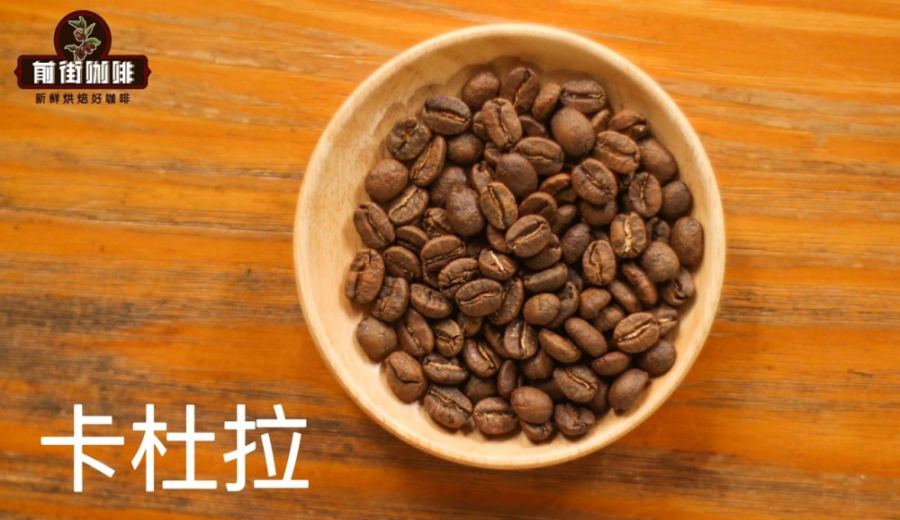
Introduction:Caturra is one of the most notable varieties within the Arabica family, originating from a genetic mutation of Bourbon. It combines high yield potential with good flavor characteristics. This article delves into the origins, plant traits, suitable altitude range, disease resistance, and common fruit color classifications of Caturra. It also combines practical pour over brewing experiences to provide extraction recommendations and flavor analysis under medium-dark roasting conditions, helping you fully understand this key Central American coffee variety.
Caturra, as an important member of the Arabica species, originated in the state of Minas Gerais, Brazil. It is a natural genetic mutation of the ancient Bourbon variety. This mutation led to significant changes in the plant’s appearance and growth characteristics, particularly in terms of dwarfism and high-density planting potential. Today, Caturra has become a staple cultivar in many coffee-growing regions across Central and South America, and it can be found in many well-known blend profiles.
As for whether Caturra is Arabica — the answer is yes. It mutated from the Bourbon variety and possesses the typical flavor characteristics of Arabica, including bright acidity, rich fruity notes, and sweet aromatic layers that develop with proper roasting. Compared to some Arabica varieties that require shade cultivation, Caturra has good tolerance to sunlight, hence it is also referred to as "sun-grown coffee."
The characteristics of the Caturra plant include a compact and short tree structure, which makes it highly suitable for high-density planting. This not only increases yield per unit area but also facilitates harvesting and management. However, high-density planting also presents challenges: if the plant bears too much fruit, it may collapse under the weight, thus requiring more fertilizer and support management. Additionally, Caturra has relatively weaker resistance to diseases, especially nematodes and coffee leaf rust, which are issues that need special attention during cultivation.
In terms of altitude adaptability, Caturra can grow at elevations ranging from 700 to 1700 meters. Generally, the higher the altitude, the better the flavor, though yield tends to decrease accordingly. Typically, an environment with an altitude of 1200 to 2000 meters and annual rainfall between 2500 to 3500 millimeters allows Caturra to achieve the best balance between yield and quality. Under such conditions, Caturra often exhibits clear fruit acidity, juicy body, and chocolate and nutty sweetness after medium-dark roasting.
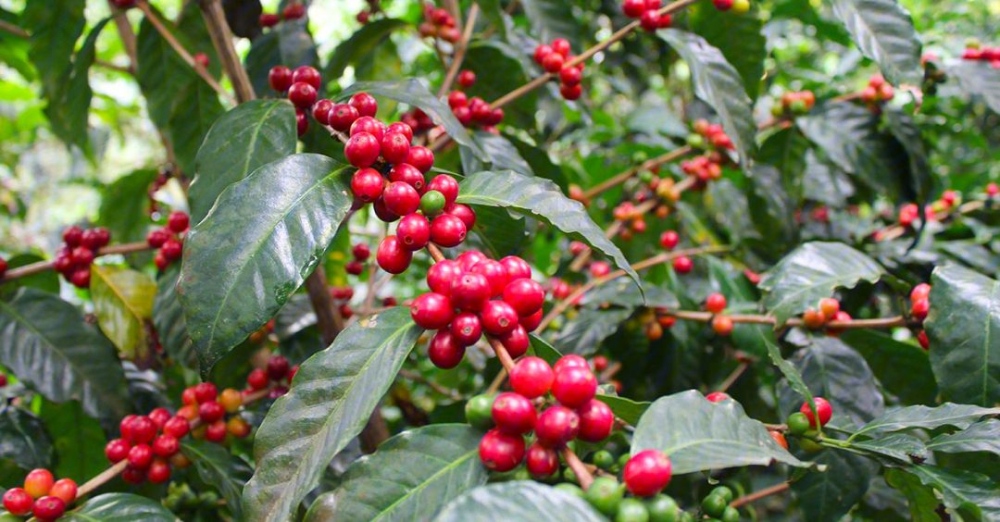
Based on fruit color, Caturra is mainly divided into three types: Red Caturra (Caturra Vermelho), Yellow Caturra (Caturra Amarello), and Purple Caturra (Purple Caturra). Among these, Red Caturra is the most common and offers the most diverse flavor profile, which is easily influenced by origin, processing method, and roast level. Yellow Caturra and Purple Caturra are relatively rare, resulting from recessive genetic mutations, and are usually more talked-about in the specialty coffee market.
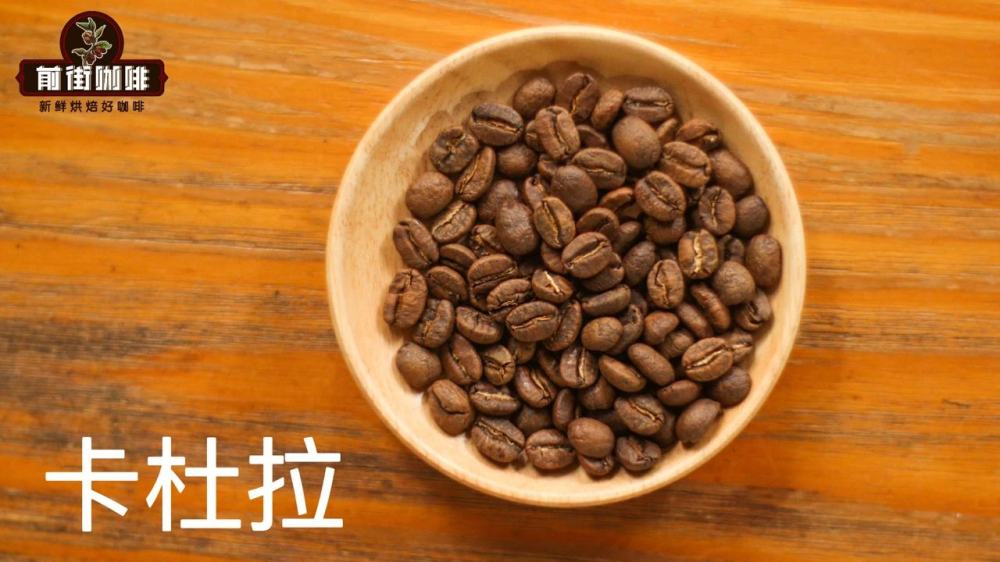
In terms of actual brewing, take medium-dark roasted Red Caturra as an example. Its flavor profile leans toward the rich tones of nuts, chocolate, and caramel, with relatively soft acidity. For grind size, a medium grind is recommended — roughly corresponding to 75% extraction through a 20-mesh sieve — which helps balance extraction and avoid over-extraction of off-flavors. As for water temperature, it is advised to lower it to around 90°C, which helps bring out sweetness and suppress overly sharp acidic notes that tend to volatilize excessively.
Practical extraction parameters are as follows:
- Filter: KONO
- Water temperature: 90°C
- Grind size: 75% through a 20-mesh sieve (medium grind)
- Coffee-to-water ratio: 1:15
- Coffee dose: 15 grams
- Brewing method: three-pour
Specifically, first place the coffee grounds into the KONO filter, then pour about twice the dose of water (approximately 30 grams) for the bloom, letting it sit for about 30 seconds. This step helps awaken the coffee grounds and release aroma. Next, pour water in small streams in circular motions from the inside out. When the total water volume reaches 125 grams, perform the first pour break. Once the coffee bed descends to the middle of the filter, continue pouring with the same fine stream until reaching 225 grams, completing the full extraction. The entire process should be controlled to around 2 minutes.
The design feature of the KONO filter lies in its vent holes being concentrated in the upper quarter of the filter’s ribbed section. When the water level exceeds this point, internal pressure within the filter gradually increases. Due to the relatively narrow outlet, this extends the contact time between water and coffee grounds, aiding in the full extraction of soluble substances. This enhances the coffee’s body and layered flavors, making it particularly suitable for medium-dark roasted beans with rich and bold profiles.
The brewed Caturra coffee delivers a distinct entrance of chocolate, nut, and caramel aromas. The mouthfeel is smooth and full-bodied, with excellent clarity overall. As the temperature drops, gentle layers of fruity acidity gradually emerge, adding complexity and enjoyment to the cup.
The above content is compiled by CoffeeHunters, a coffee news website.


