







Introduction:SL28 is a classic coffee variety originating from Kenya, renowned for its outstanding drought resistance and elegant floral-fruity aromas. This article delves into its breeding history, genetic lineage, and processing methods, and combines real-life examples from Kenya’s Asali processing factory to show how this classic variety can express complex flavors such as Sydney pear, black plum, and brown sugar in the cup, providing insights for selection and brewing.
SL28 is one of the most representative varieties in the history of African coffee cultivation. Since its successful breeding in Kenya in the 1930s, it has not only taken root in surrounding producing regions such as Uganda, but has also gradually expanded to Latin America. This variety is naturally adapted to mid-to-high altitude environments. Although it boasts excellent drought resistance, it is relatively susceptible to diseases. Yet, it is precisely because of this that its flavor profile often tends to be more delicate and unique, commonly showcasing floral and citrus notes. In the specialty coffee market, the combination of SL28 and SL34 is widely praised. For example, a well-known blend presents multi-layered flavors of Sydney pear, black plum, brown sugar, cherry tomatoes, and plums.
The reason why SL28 stands out among numerous varieties is inseparable from its unique breeding background. As early as between 1935 and 1939, the then-Scott Agricultural Laboratory (now known as the Kenya National Agricultural Research Laboratories, NARL) launched a series of clonal selection programs, with all selected strains prefixed with ‘SL’. Researchers screened rigorously from over 42 coffee trees of diverse origins based on yield, cup quality, as well as tolerance to drought and disease. Among them, SL28 was an outstanding individual selected in 1935 from a drought-resistant variety group called Tanganyika.
Historical records indicate that in 1931, AD Trench, then Senior Coffee Officer at the Scott Laboratory, visited what was then Tanganyika (now Tanzania) for an inspection and discovered a coffee plant in the Monduli area that exhibited high potential for drought and disease resistance. He brought back seeds at the time and confirmed in the laboratory that they possessed significant drought tolerance. Although this strain was later replaced by the superior descendant SL28, its drought-resistant genes laid the foundation for subsequent variety improvement. Genetic analysis also confirms that SL28 shares genetic affinity with the Bourbon variety, which explains the origin of some of its flavor characteristics.
When discussing the birth of SL28, one cannot fail to mention the Scott Agricultural Laboratory, a heavyweight research institution. Established by the British colonial government in Kenya in 1922 under the then Ministry of Agriculture, the laboratory was primarily responsible for agricultural technology research and promotion, as well as providing technical guidance to local farmers. From its inception, the laboratory gathered experts in multiple fields such as entomologists, mycologists, and plant breeders, and had a dedicated coffee research department. The coffee department was initially located in the central office, and it was not until 1934 that it moved into the main building of the laboratory, where 24 acres of land were specially allocated as coffee variety trial fields.
The main building of this laboratory itself also carries historical significance. Built in 1913, it was originally used as a sanatorium and was even converted into a field hospital during World War I. The building is named after Dr. Henry Scott, a missionary of the Scottish Church. From 1922, it came under the administration of the Kenya Ministry of Agriculture and was officially named the Scott Agricultural Laboratory. This institution, along with the Lyamungo Research Station in Tanganyika, stood as two core hubs for coffee breeding in East Africa.
In addition to rigorous internal research, the Scott team also worked closely with private coffee estates, continuously improving quality through variety introduction trials, single-plant selection, and other means. Historical records show that “conducting field trials on foreign varieties and selecting individual plants with specific superior traits was one of the laboratory’s key focuses.” Research content also covered diverse aspects such as yield comparison trials, grafting techniques, pruning effects, shade management, and cover crops.
With the growing demand for coffee research, the Kenyan government decided in 1944 to centralize coffee research at a larger, dedicated research station. In 1949, the Jacaranda Estates research station, located 20 miles north of Ruiru, was officially launched, covering an area of 380 acres. Subsequently, in 1957 and 1958, substations were established in Upper Kiambu and Meru respectively, followed by bases in Kitale and the Victoria Lake region in 1938 and 1959, with the Kisii substation also becoming operational in 1957, gradually completing a nationwide network for coffee variety and processing technology research.
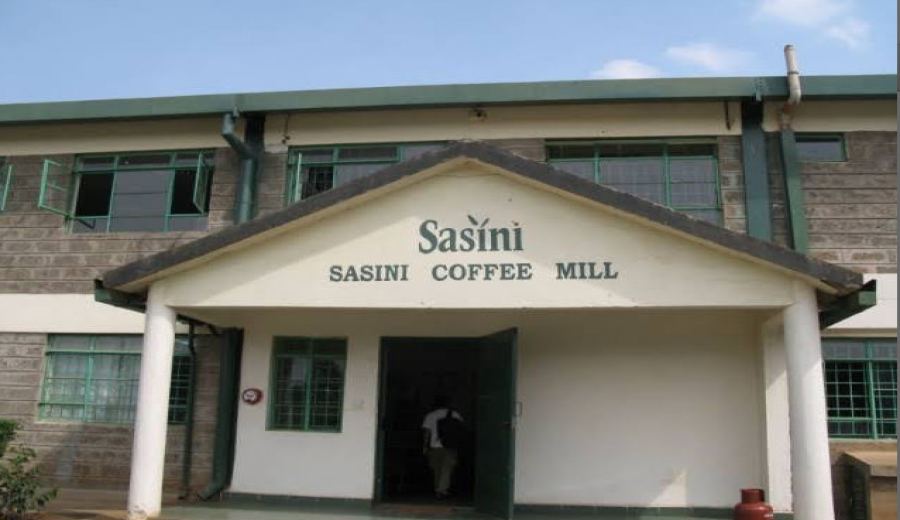
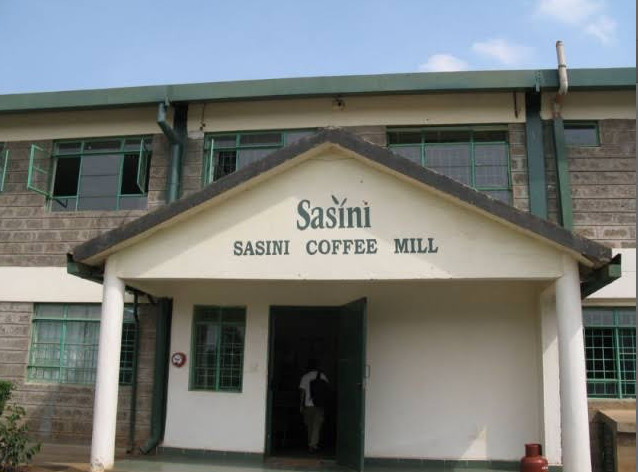
In terms of processing methods, the SL28 and SL34 blend beans produced by Kenya’s Asali Processing Factory (honey processing factory) use a 72-hour washed process, with the production area situated at an altitude between 1550 and 1750 meters. Such environmental conditions, coupled with meticulous processing techniques, allow the coffee to exhibit distinct Sydney pear and black plum aromas in the cup, accompanied by a soft brown sugar sweetness and fresh fruit acidity, making it suitable for coffee lovers who enjoy bright fruit flavors and layered profiles.
The above content is compiled by CoffeeHunters, a coffee news website.


