







Introduction:Arabica coffee beans are renowned worldwide for their diverse flavor profiles. Different regions, due to variations in geology, climate, and cultivation methods, produce unique taste characteristics. This article delves into the flavor profiles of ten renowned producing regions across Africa, Central and South America, and Asia, and highlights classic products such as Yirgacheffe Red Cherry Natural, Blue Mountain No.1, and PWN Golden Mandheling. It also provides key extraction and tasting tips for coffees from each region, serving as a practical guide for beginners in bean selection and pour over exploration.
Arabica coffee is the dominant variety in the global specialty coffee market, and its flavor expression is greatly influenced by the geographical environment, altitude, and processing methods of the producing region. From the bright acidity and pronounced floral and fruity aromas of African coffees, to the balanced and mellow flavors of Central and South American beans, to the deep and rich spice notes of Asian coffees, each region has its own distinct personality. This article will introduce readers to representative coffee beans from well-known producing regions around the world, and recommend classic products such as Yirgacheffe Red Cherry Natural, Kenya Little Tomato, and Blue Mountain No.1, helping you find the one that best suits your taste.
Africa, as one of the birthplaces of Arabica coffee, boasts several highly representative specialty coffee regions, with Ethiopia and Kenya being the most well-known. Ethiopia’s Yirgacheffe is famed for its unique floral and fruity notes, commonly processed using the natural method, which preserves more fruit and fermentation layers. For example, Yirgacheffe Red Cherry Natural from the Aletaran Estate is grown at an altitude of 1700–2200 meters, is of the heirloom variety, and is graded G1. This coffee bean undergoes extended natural processing, offering aromas of lemon, licorice, and berries, with high sweetness and a long aftertaste, accompanied by black tea and cream notes. It is an excellent choice for pour over beginners.
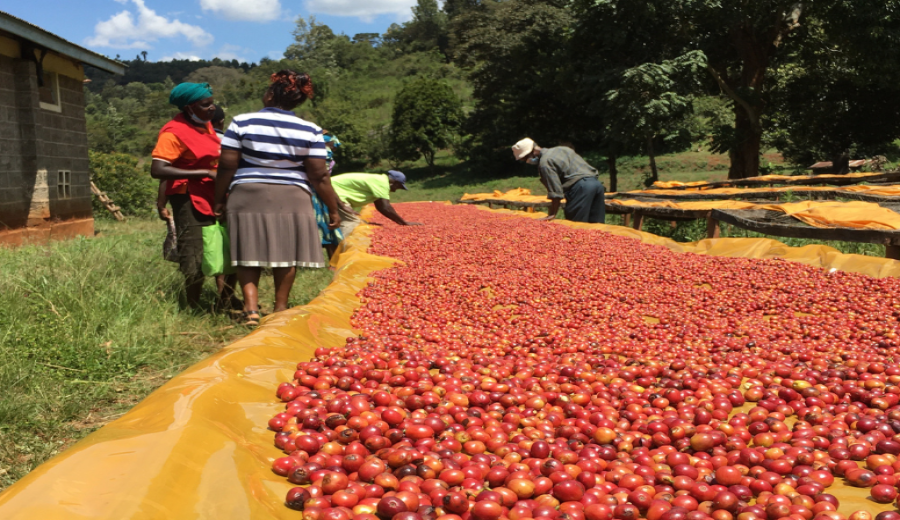
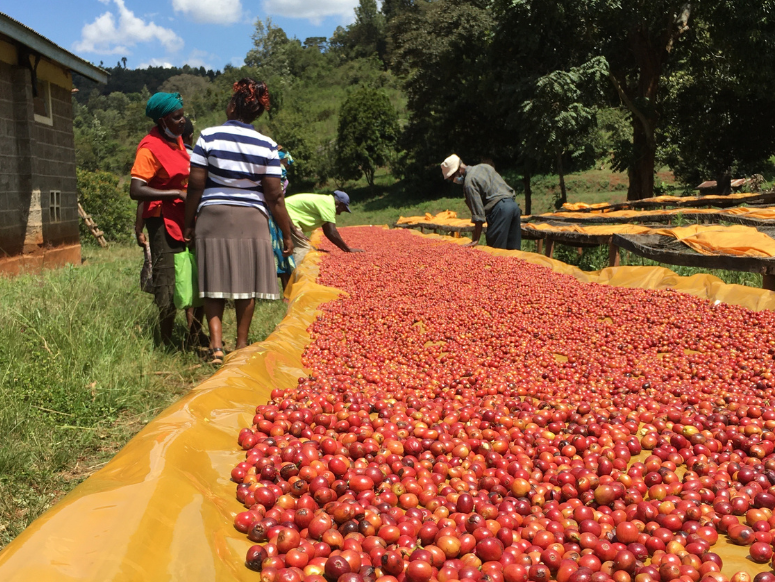
Kenyan coffee is known for its bright acidity and well-defined layers, and its unique K72 washed process further enhances the concentration of its flavors. Kenya Little Tomato is produced at the Asali Honey Processing Factory in the Thika region, at an altitude of 1550–1750 meters, and is of the SL28 and SL34 varieties, graded AA TOP. This coffee undergoes a 72-hour long fermentation washed process, delivering flavors of cherry tomato, berries, and juiciness, with lively acidity reminiscent of plum and pear, a noticeable sweet mid-palate, and a tea-like aftertaste. It is suitable for those who enjoy a balance of sweet and sour.

Rwanda has emerged in recent years in the specialty coffee scene, with its Red Bourbon variety grown in high altitudes and organic environments, showcasing delicate fruitiness and nutty tones. The recommended Rwandan Red Bourbon is from the Nyamasheke region, grown at 1500 meters and processed using traditional washed methods. It presents flavors of citrus, berries, and plum, with nutty notes in the mid-palate and a honey-like sweetness in the aftertaste. It is suitable for consumers who enjoy a combination of fruity and full-bodied profiles.
In Latin America, Panama’s Geisha variety has long been a star in the specialty coffee world. Washed Huadie is produced in the Boquete region, at an altitude of 1600–1650 meters, with a varietal blend of 70% Geisha, Catuaí, and Caturra, and is processed using the washed method. This coffee has a clear flavor profile, featuring floral, black tea, and berry notes, with moderate acidity and low bitterness, and a slight nutty aroma in the aftertaste. It offers excellent value and is suitable for everyday pour over.
Brazil is the world’s largest coffee-producing country, and its Yellow Bourbon variety is particularly prized due to its limited production. The coffee produced by Fazenda Rainha is grown in the Mogiana region, at an altitude of 1400–1950 meters, and is processed using the semi-washed method. It offers aromas of nuts, dark chocolate, and lemon, with a rounded mouthfeel and noticeable sweetness, making it suitable for those who prefer a full-bodied flavor.
Colombia’s Huila region benefits from a uniquely favorable microclimate, and its coffee is known for its balanced and gentle profile. Huila coffee is made from the Caturra variety, processed using the washed method, and grown at an altitude of 1700 meters. It presents flavors of roasted hazelnut and caramel, with soft acidity and an aftertaste that carries hints of dark cocoa. It is an ideal choice for beginners.
Jamaica Blue Mountain coffee is the pinnacle symbol of specialty coffee, produced at the Clifton Estate in the Blue Mountains, at an altitude of 1310 meters, and is of the Typica variety, graded Blue Mountain No.1. This coffee is washed processed, offering a rich flavor profile with notes of chocolate, butter, and caramel, a full-bodied mouthfeel, and a balanced triad of flavors. It is the ultimate delicacy sought after by coffee enthusiasts.
Among Asian producing regions, Indonesia’s Sumatra Mandheling is famous for its wet hulling (Giling Basah) method, which brings out intense spice and caramel layers. PWN Golden Mandheling is produced in Sumatra, at an altitude of 1100–1600 meters, from the Typica variety, and undergoes three or more rounds of manual sorting. It features flavors of herbs, spices, dark chocolate, and nuts, with a complex and layered profile and a long-lasting aftertaste.
In China’s Yunnan province, the Baoshan region primarily grows the Catimor variety, which is disease-resistant and well-suited to high-altitude environments, making it an important domestic Arabica-producing area. Yunnan Small-Bean Coffee is washed processed, offering flavors of nuts, herbs, and caramel, with a slight fruity acidity in the aftertaste. It is suitable for medium roasting to achieve a balanced flavor profile.
Finally, Papua New Guinea’s Bird of Paradise coffee is produced in the central highlands, from the Typica variety, at an altitude of 1600–1800 meters, and is processed using the washed method. This coffee offers flavors of toasted bread, cocoa, butter cookies, and cane sugar, with a rich, full-bodied, and clean profile, a long-lasting aftertaste, and is hailed as the “Little Blue Mountain.” It is an unmissable choice for coffee lovers seeking delicate flavors.
The above content is compiled by CoffeeHunters, a coffee news website.


