







Introduction:Ever wondered why Panama’s Geisha from Hacienda Esmeralda is considered the pinnacle of specialty coffee? This article delves into the estate’s three-tier classification system—Red Label, Green Label, and Blue Label—breaking down factors such as growing altitude, processing methods, and flavor profiles. Through real cupping experiences, we’ll help you uncover the unique charm and ideal brewing methods for each grade of Geisha.
Geisha coffee holds an unrivaled position in the specialty coffee market, and Geisha from Panama’s Hacienda Esmeralda is regarded as the industry benchmark. But did you know? Even within Hacienda Esmeralda, Geisha is divided into different grades, each with distinct origins, altitudes, and processing techniques that result in subtle yet nuanced flavor differences. This article focuses on the estate’s three main classifications—Red Label, Green Label, and Blue Label—to analyze their respective quality tiers, regional characteristics, and flavor profiles. We’ll also briefly compare them with other renowned high-end coffees like Hawaiian Kona, helping coffee enthusiasts make more informed choices when selecting their ideal Geisha.
Globally, there are countless high-priced coffee beans, such as Jamaican Blue Mountain, Hawaiian Kona, and even the famously controversial "civet coffee," all celebrated for their rarity and premium pricing. However, for coffee connoisseurs who crave delicate floral notes and rich fruit flavors, Geisha often stands out as the top choice. Geisha from Panama’s Hacienda Esmeralda, with its intense floral aromas and juice-like mouthfeel, distinguishes itself among the world’s finest coffees and firmly holds the crown in the Geisha category.
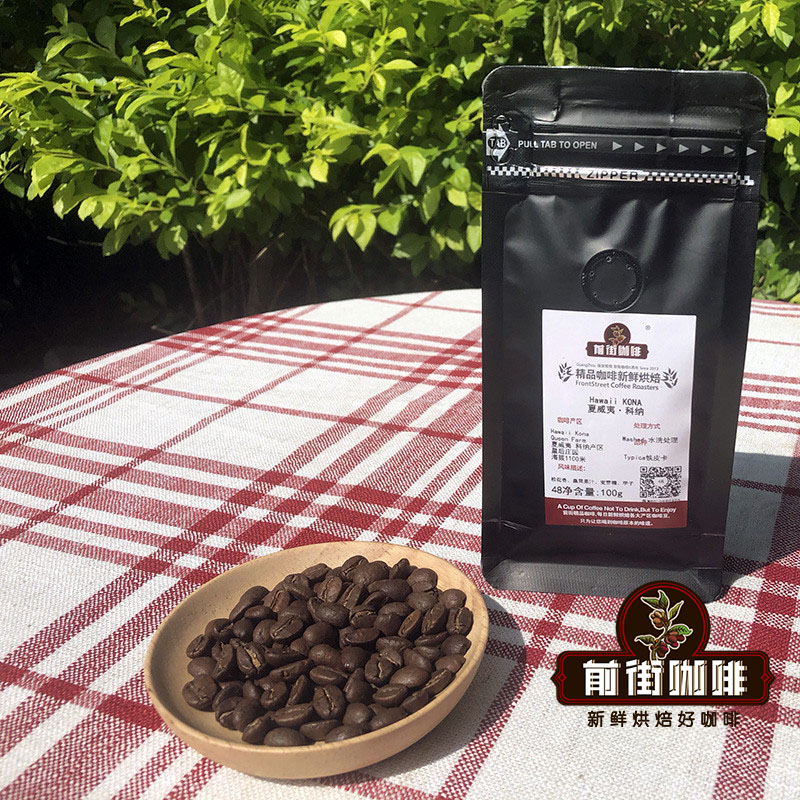
When evaluating a coffee bean’s potential, its growing environment is the most critical factor. Altitude, climate, and microclimate all play essential roles in shaping flavor expression. Panama boasts these ideal conditions: abundant sunlight combined with high-altitude mountainous terrain allows the region to produce coffee beans with intense and complex flavor profiles. Of course, lower altitudes can also surprise—for instance, Hawaiian Kona is grown at around just 1,100 meters, below the typical elevation for premium Arabica, yet its beans are famed for their reputedly beautiful shape and still deliver impressive flavor.
When brewing this Hawaiian Kona, we observed a smooth mouthfeel with subtle osmanthus-like sweetness, followed by a soft malt finish. As the temperature cools slightly, it takes on a refreshing berry-like tea note. This clean profile is largely attributed to the region’s commonly used washed processing method: first, floatation removes defective beans, then a pulper strips away the fruit pulp. The beans are then placed in water tanks to allow the mucilage to ferment and break down. After thorough washing, they are sun-dried until the moisture content drops to around 11–13%. Particularly in Hawaii, the use of sweet mountain spring water adds an extra layer of purity and freshness to the coffee.
In contrast, Geisha from Panama’s Hacienda Esmeralda exhibits a distinctly different flavor profile. While Kona benefits from altitude and water, resulting in a clean and bright taste, Geisha is known for its bold and exuberant floral notes. In many cuppings, various Geisha coffees emit elegant, perfume-like floral aromas paired with vibrant fruity notes, along with a long-lasting and dynamic aftertaste—this is one of Geisha’s most captivating traits.
When discussing Panama’s specialty coffee regions, Boquete and Volcán are undoubtedly two of the most prominent. Many beans from Boquete, such as Flower Power and Elida Natural Typica, come from this area. The region is home to numerous well-known estates, including Hacienda Esmeralda, Elida Estate, and Caturra Duncan Estate, with Hacienda Esmeralda being the most notable. Not only is it the primary origin of Geisha coffee, but the estate also cultivates both Caturra and Catuai varieties, marketed under the brands Diamond Mountain and Pamela, respectively. It’s understood that Hacienda Esmeralda manages the Geisha variety with extreme rigor, planning planting zones based on altitude and further dividing them into three major grades: Red Label, Green Label, and Blue Label.
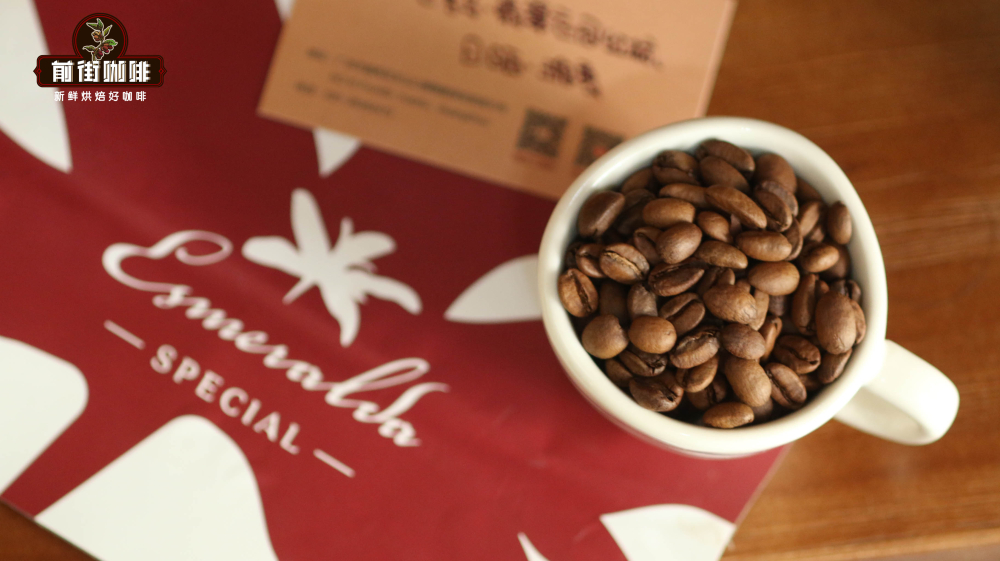
Many consumers are still unfamiliar with the concepts of Red Label, Green Label, and Blue Label. Here’s a detailed explanation. Hacienda Esmeralda’s Geisha primarily comes from three main areas: Jaramillo, Canales Verdes, and El Velo. Based on cupping scores, variety, and growing altitude, the estate categorizes Geisha into five brands, three of which are Geisha-related: Esmeralda Special, Private Collection, and Geisha 1500. The Red Label, also known as Esmeralda Special Geisha, is grown at altitudes between 1,600 and 1,800 meters, with cupping scores typically above 90. These beans are mainly sourced from Jaramillo and Canales Verdes. It’s worth noting that those entered into auctions are called Auction Red Label, while those not entered are Regular Red Label—but both actually come from the same high-quality plots. For first-time Geisha drinkers, the Red Label is undoubtedly a highly representative entry-level choice. This grade of Geisha may be processed using either natural or washed methods, often showcasing pronounced floral and citrus notes.
The Green Label, commonly referred to as Private Collection on the market, consists of un-auctioned but still high-quality micro-lots of Geisha, offering rich and stable flavor complexity. As for the Blue Label, also known as Geisha 1500, it’s a blend of beans from three different altitude plots, grown at around 1,400 to 1,500 meters. It’s usually only offered in washed processing, with flavors characterized by soft floral notes and clear fruit acidity. Interestingly, this year’s Blue Label series has also introduced a natural version, providing more options for enthusiasts of alternative processing methods.
In short, Hacienda Esmeralda classifies Geisha into Red, Green, and Blue labels based on cupping results and growing altitude, with each label clearly corresponding to specific regions and processing methods. Since the Red Label is only available through global auctions, its price is naturally higher, but for coffee lovers seeking ultimate flavor, it’s definitely worth trying.
Take the washed Red Label, for example—the purchased batch came from the Jaramillo plot. At Hacienda Esmeralda, the processing begins by placing harvested coffee cherries into filtration tanks, where floatation removes surface impurities, followed by moisture extraction before the qualified cherries enter the subsequent processing stages. As for the washed Green Label, because the new-season beans are firmer and have higher water activity, higher-temperature rapid dehydration is chosen during roasting to bring out its rich fruit tones and layered floral complexity in a compact rhythm. Additionally, the Blue Label has also introduced a natural version this year—we’ll briefly introduce its processing features below.
Hacienda Esmeralda’s natural processing method typically involves placing freshly harvested coffee fruits directly in the courtyard to dry naturally, allowing the fruits to gradually release fruity aromas during the drying process while the coffee beans retain their full flavor. Once the moisture content reaches the desired level, the beans are transferred to a Guardiola dryer for 72 hours of rotating drying to prevent over-fermentation. After drying, the beans are temporarily stored in nylon bags before being moved to the warehouse. However, the most critical aspect during natural drying is moisture control—once the husked beans absorb too much moisture, they can easily spoil, affecting the final quality.
Geisha coffee isn’t exclusive to Panama—varieties are also grown in places like Costa Rica’s Finca La Mula or Ethiopia’s Gesha Village. But after multiple cuppings and comparisons, most professionals still agree that Geisha from Hacienda Esmeralda in Panama best showcases the variety’s true characteristics, whether in terms of aroma complexity, clarity of fruit acidity, or overall balance, all of which align more closely with the ideal perception of what Geisha should be.
The above content is compiled by CoffeeHunters, a coffee news website.


