








Introduction:Although Papua New Guinea’s coffee is often overshadowed by the prominence of its neighbor Indonesia, its unique fruity aromas and balanced sweet-and-acidic flavors are gradually drawing attention in the specialty coffee scene. This article delves into the representative Kimel Estate, analyzing the “Little Blue Mountain” Typica coffee nurtured by the volcanic soil here—from regional geography, processing methods, to cupping flavor characteristics—and provides practical pour over parameters to help you fully grasp the brewing essence of this high-altitude specialty bean.
Among the many specialty coffee-growing regions, Papua New Guinea may not be as well-known as Central and South America or Africa, but it boasts exceptionally favorable growing conditions. Particularly in high-altitude areas, the Arabica coffee grown there exhibits distinct floral and fruity notes with a well-balanced acidity and sweetness, gradually attracting the attention of coffee enthusiasts worldwide. Located in the western part of the country, Kimel Estate stands out among its peers. Its coffee, with flavors reminiscent of the legendary Blue Mountain, has earned the title “Little Blue Mountain.”

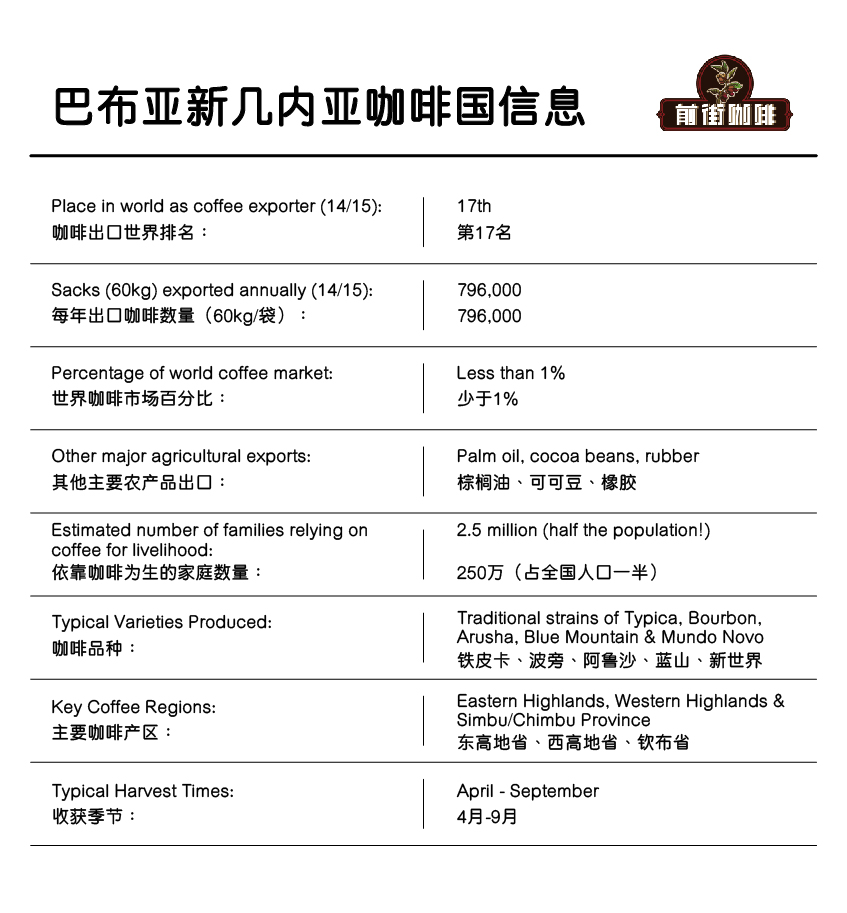
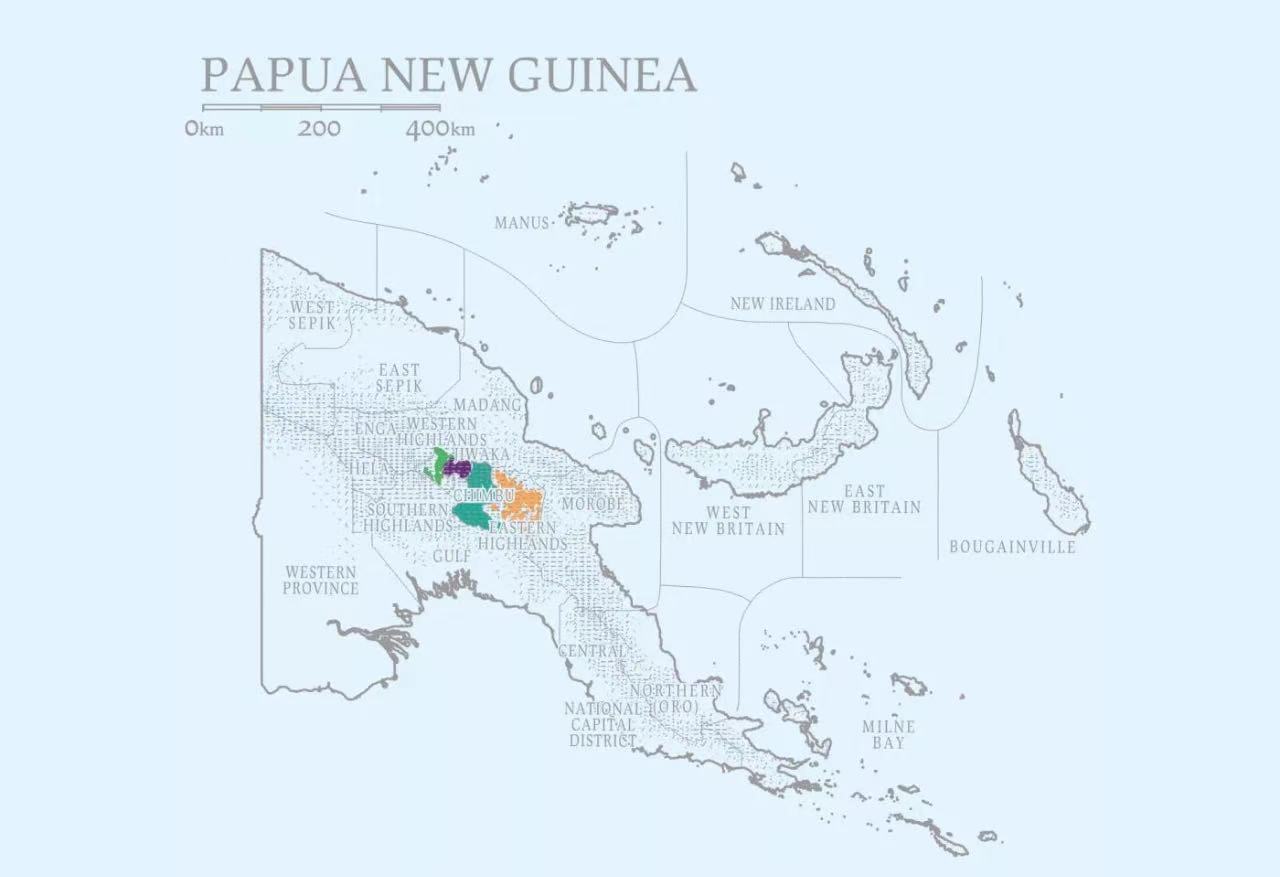
Although Papua New Guinea’s coffee industry started relatively late, it holds great potential. The country is mountainous and densely forested, with an equatorial rainy climate and fertile volcanic soil—ideal for cultivating high-quality Arabica varieties. Most coffee is grown at elevations between 1,500 and 1,900 meters, where the height not only slows the ripening process of the coffee cherries but also aids in the accumulation of flavor compounds. Nationwide coffee production is mainly concentrated in five provinces: Eastern Highlands, Western Highlands, Chimbu, and Jiwaka, among which Eastern Highlands is regarded as the core region for specialty coffee.
Kimel Estate is located in the Waghi Valley, within the Western Highlands Province, and features typical volcanic rock soil that offers excellent drainage and is rich in minerals, providing an optimal growing environment for coffee plants. The area sits at an altitude of approximately 1,300 to 1,900 meters, with a cool and stable climate plus evenly distributed rainfall throughout the year, all of which contribute to the depth and complexity of the coffee’s flavor profile.
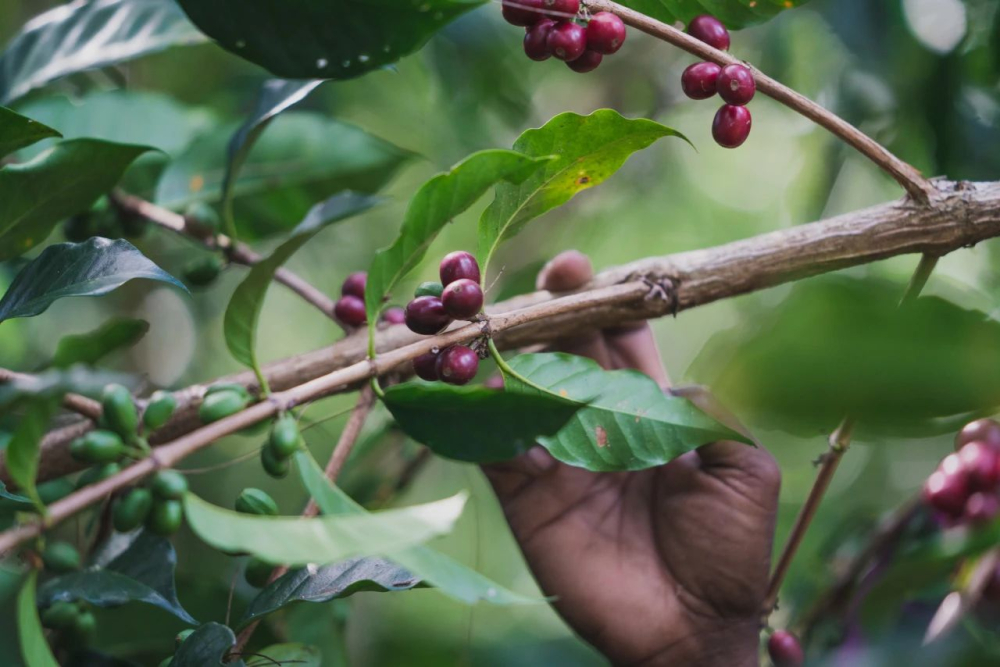
Established in 1974 by Australian-born businessman Bobby Gibbs and named after the nearby Kimel River, the estate is a cooperative-style plantation jointly owned by multiple smallholder farmers from the local Opais tribe, rather than a single large-scale farm. The estate houses a professional washed processing facility and strictly controls the green bean processing procedures to ensure each batch maintains consistent and premium quality. Local farmers mostly adopt shaded cultivation methods, which help regulate the microclimate and promote slow maturation of the coffee cherries, thereby enhancing flavor complexity.
The estate grows a diverse range of coffee varieties, including Typica, Bourbon, Arusha, Caturra, Catimor, Mundo Novo, and even the Blue Mountain lineage from Jamaica. This multi-variety planting strategy not only helps mitigate risks from pests and diseases but also brings richer layers and a unique personality to the coffee. In particular, the Typica variety grown at Kimel Estate is believed to originate from seeds introduced from Jamaica’s Blue Mountain in 1937, hence its nickname “Little Blue Mountain Coffee.”
This Little Blue Mountain coffee performs exceptionally well when brewed using pour over or siphon methods. Its flavor profile is clear, featuring distinct nuttiness and sugarcane sweetness, accompanied by gentle spices and a creamy, smooth mouthfeel. The acidity is bright yet not harsh, with a long and clean aftertaste, and overall excellent balance. In cupping sessions, it has repeatedly scored between 92 and 93 points, underscoring its stable quality and distinctive character.
If you’d like to brew this specialty coffee from Papua New Guinea at home, it is recommended to use a medium-light roast to preserve its vibrant fruit acidity and floral-fruity notes. Suggested pour over parameters are as follows: grind size medium-fine (about as fine as white sugar, passing through a #20 sieve at around 70–75%), water-to-coffee ratio recommended at 1:15 to 1:16, and water temperature controlled at 90–92°C. For brewing technique, a pulsed pour method is advised: start with a 30g bloom for 30 seconds, then slowly pour up to 125g for the first pour, wait until 1:15 to pour up to a total of 225g, with a total brew time of about 2:30 to 2:45. These parameters help highlight the coffee’s sweetness and layers while avoiding over-extraction that could lead to astringency.
Papua New Guinea’s coffee grading system is similar to that of East African countries like Kenya and Tanzania, primarily based on bean size. The highest grade is AA, indicating beans larger than 18 mesh, oval in shape, with no more than 10 defects per kilogram, usually offering the most outstanding flavor performance; Grade A is slightly smaller than 17 mesh, with the same defect standard, and cupping results must reach Good to Fine level or above. Most of the coffee produced at Kimel Estate falls into AA or A grades and is mainly exported to markets such as Germany, the United States, and Australia.
Despite Papua New Guinea’s immense coffee potential, the industry still faces multiple challenges. The foremost issue is backward transportation infrastructure; many producing areas have rugged roads, leading to unstable post-harvest green bean transport that affects freshness and consistency in quality. Additionally, the smallholder farming model generally lacks financial and technical support, which limits product stability and market competitiveness. Although coffee leaf rust is not currently a major threat, climate change and environmental pressures remain concerns. International organizations and fair trade bodies are actively assisting local farmers in obtaining certifications and providing technical and market connections, aiming to enhance the overall sustainability of the industry.
In summary, the coffee from Kimel Estate in Papua New Guinea, especially its Typica variety hailed as the “Little Blue Mountain,” showcases highly distinctive flavor characteristics thanks to its privileged volcanic soil, diverse varietal cultivation, and rigorous processing procedures. If you’re a coffee enthusiast who appreciates bright acidity paired with fruity aromas and sweetness, this specialty bean from the highlands of Oceania is definitely worth adding to your tasting list. With an appropriate medium-light roast and precise pour over parameters, its hidden layered charm can be fully revealed.
The above content is compiled by CoffeeHunters, a coffee news website.


