







Introduction:Have you ever wondered why most commercially sold coffee is labeled "Arabica"? What is the fundamental difference between Arabica and Robusta? And what exactly defines black coffee? This article delves into the characteristics, suitable scenarios, and flavor profiles of the two mainstream coffee varieties, while clarifying the true scope of black coffee. It helps you gain a foundational understanding of coffee, whether you're selecting beans or trying to comprehend beverage compositions—quickly mastering key knowledge.
Coffee has become an everyday necessity for many, but you may not have noticed that on the ingredient lists of coffee products—especially single-origin or specialty-grade ones—the term "Arabica" is commonly seen. So, does Arabica equate to high quality or black coffee? What are the key differences between Arabica and Robusta? This article will break down the characteristics of these two major coffee varieties in detail, exploring why Arabica tends to be more expensive with richer flavor layers, while Robusta is often found in instant or espresso bases. We’ll also analyze how Robusta is evolving under the trend of specialty coffee. At the same time, we’ll clarify the correct definition of black coffee and use the common Americano as an example to illustrate its basic composition.
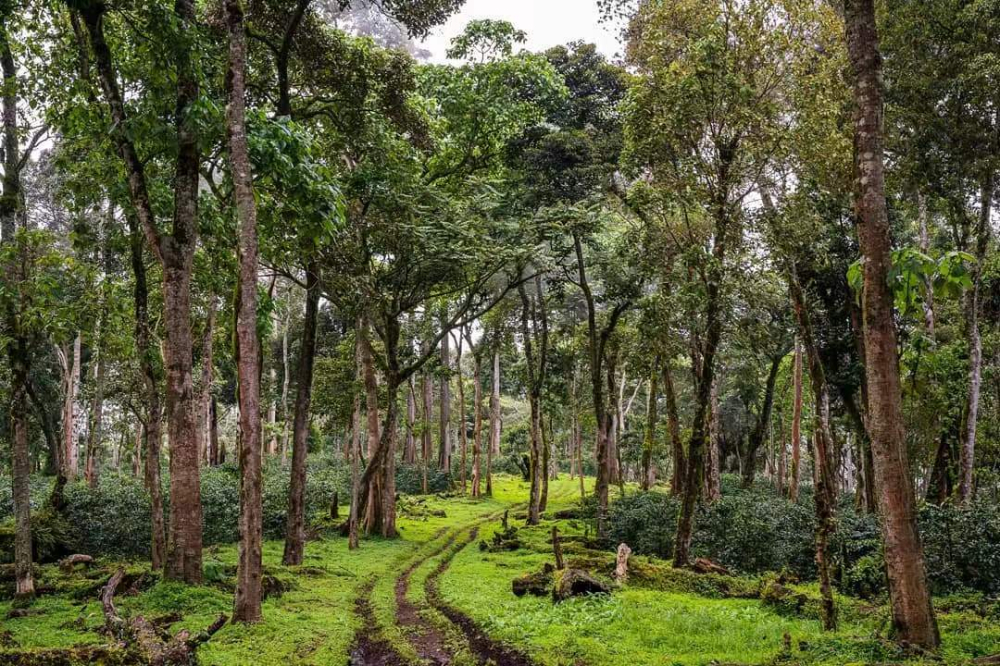
Arabica and Robusta are two of the three original species within the Coffea genus (the third being Liberica, which is rarely circulated in the market due to its weaker flavor performance and scarce production). Arabica is currently the most widely cultivated and popular variety, boasting over a hundred derivative sub-varieties. Its most notable characteristic is bright acidity and delicate layers of flavor. Depending on the altitude at which it’s grown (generally above 1200 meters), regional terroir conditions bring out unique flavor profiles, such as citrus, floral, honey, caramel, or nutty notes.
Because Arabica is extremely demanding in terms of growing conditions—not only requiring specific climates and high altitudes but also being susceptible to pests and diseases—it demands more labor and care during cultivation and harvesting. This leads to relatively lower yields, and therefore, Arabica is generally priced higher than Robusta. In addition,high-altitude-grown Arabica usually offers richer aromas and greater complexity, making it the preferred choice for many coffee enthusiasts exploring flavors from different regions for the first time.
In contrast, Robusta’s characteristics are entirely different. This variety features low acidity and pronounced bitterness, along with strong resistance to pests, diseases, and harsh environments. Its cultivation threshold and cost are lower, and yield far exceeds that of Arabica, making it significantly more affordable. Due to its more intense flavor profile, Robusta was historically used in instant coffee or three-in-one blends, where non-dairy creamers and sugar were added to balance its rough taste.
However, as specialty coffee culture becomes increasingly widespread, some Robusta varieties have in recent years taken a turn toward the specialty route. Through carefully selected growing conditions, optimized processing methods, and refined roasting, they now present cleaner, more layered flavor expressions, no longer merely synonymous with "cheap bitterness." For budget-conscious consumers who still want to explore diverse flavors, specialty Robusta provides another viable option.
So, what exactly is black coffee? Simply put,black coffee is a coffee beverage made solely by brewing or extracting ground coffee beans with hot water, without adding any sugar, milk, or other flavorings. Whether it’s made from Arabica or Robusta beans, as long as no additional flavorings are used, it falls within the category of black coffee.
For example, the ever-popular Americano is one of the quintessential representations of black coffee. Its basic preparation involves diluting espresso (usually made from a blend of Robusta and Arabica, or purely Arabica) with hot water to a certain ratio to create a hot Americano; if ice water or ice cubes are used instead of hot water, it becomes a refreshing iced Americano. Since Americanos do not include milk foam, syrups, or cream, their flavor relies entirely on the quality of the coffee beans and the extraction technique. As a result, they place certain demands on the barista’s skill and the freshness of the beans, making them an introductory drink for many coffee newcomers to understand the "pure taste of coffee."
The above content is compiled by CoffeeHunters, a coffee news website.


