







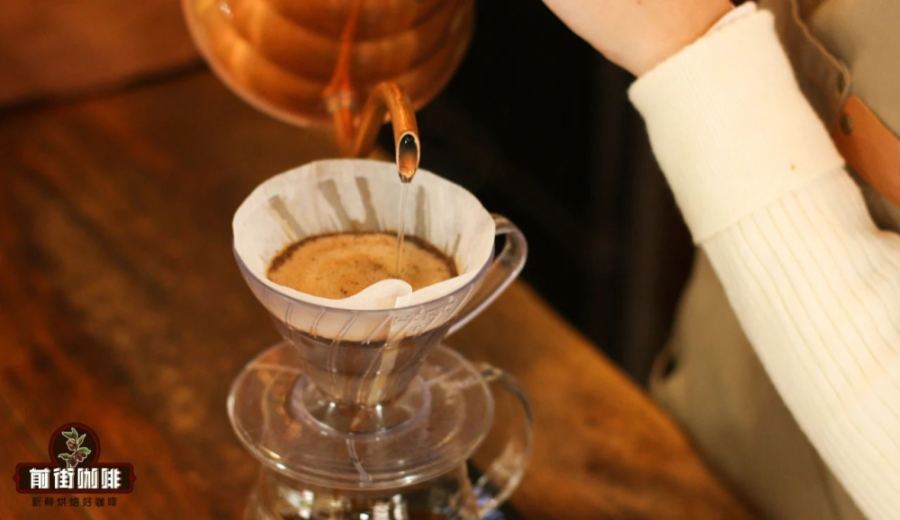
Introduction:Want to brew a rich and aromatic cup of Mandheling coffee at home? Mastering the correct coffee-to-water ratio and extraction parameters is key. This article takes the classic Indonesian Mandheling as an example, delving into the core elements of pour over coffee such as water volume, temperature, and grind size. Paired with practical brewing steps, it teaches you how to grasp the secrets of brewing a thick and flavorful cup, while analyzing various details that influence flavor — ensuring a stable and satisfying taste every time you brew.
The charm of pour over coffee largely lies in the precise control of details — from the grams of coffee grounds, water temperature, to pouring method and total volume. Each step affects the final flavor and strength of the coffee. Among these, the choice of water volume is particularly crucial, not only determining the strength of the brew but also directly impacting whether flavor compounds are optimally extracted.
According to the Specialty Coffee Association (SCA), about 30% of the components in coffee beans are soluble in water. However, only when the extraction yield falls between 18% and 22% can the best taste and aroma be achieved. Too low an extraction may result in a weak flavor, while too high can produce bitterness and off-notes, compromising the overall drinking experience.
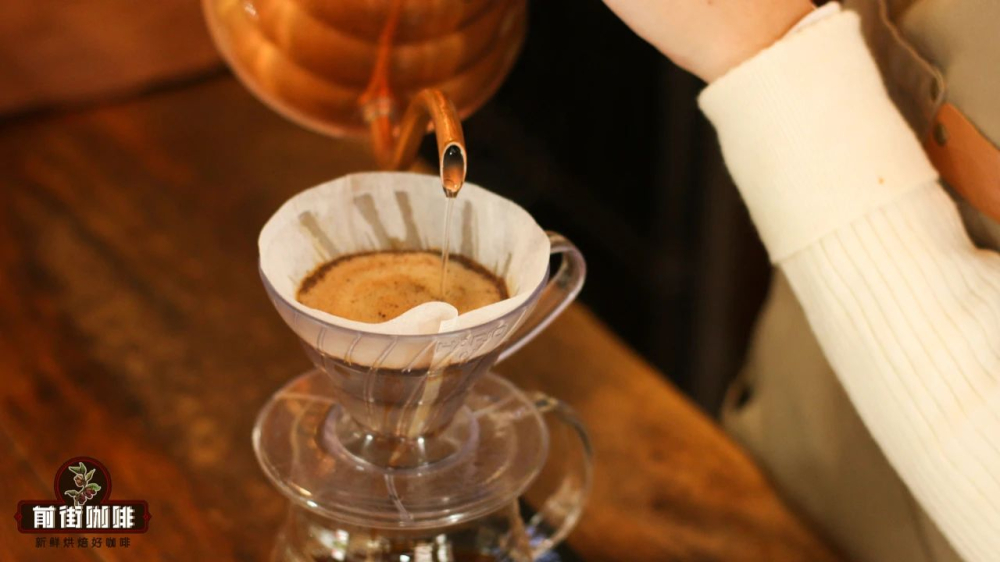
Pour over coffee is a type of drip filtration extraction, where water volume controls both the amount of extraction and coffee concentration. Water flows through the coffee bed, carrying soluble flavor compounds into the brew, but this process isn’t infinitely cumulative — the liquid from the earlier stages tends to be darker in color, indicating higher extraction efficiency. Over time, extraction capability gradually decreases, and the color of the later brew becomes lighter. Therefore, controlling water volume is not just a matter of numbers, but a critical technique affecting the overall performance of your coffee.
A common coffee-to-water ratio, such as 1:15, means using 15 milliliters of water per 1 gram of coffee. For example, using 15 grams of coffee with 225 milliliters of water yields a pour over cup with balanced flavor and moderate strength. This ratio typically results in a light roast coffee with a concentration level between 1.35% and 1.42%, suiting most people’s taste preferences.
Of course, the coffee-to-water ratio is not set in stone. Those who prefer a stronger taste can opt for a 1:10 to 1:13 ratio to extract a thicker, more layered brew. Drinkers who prefer a lighter flavor might try ratios of 1:16 or even 1:17, which allow the coffee’s flavors to unfold more gently and softly.
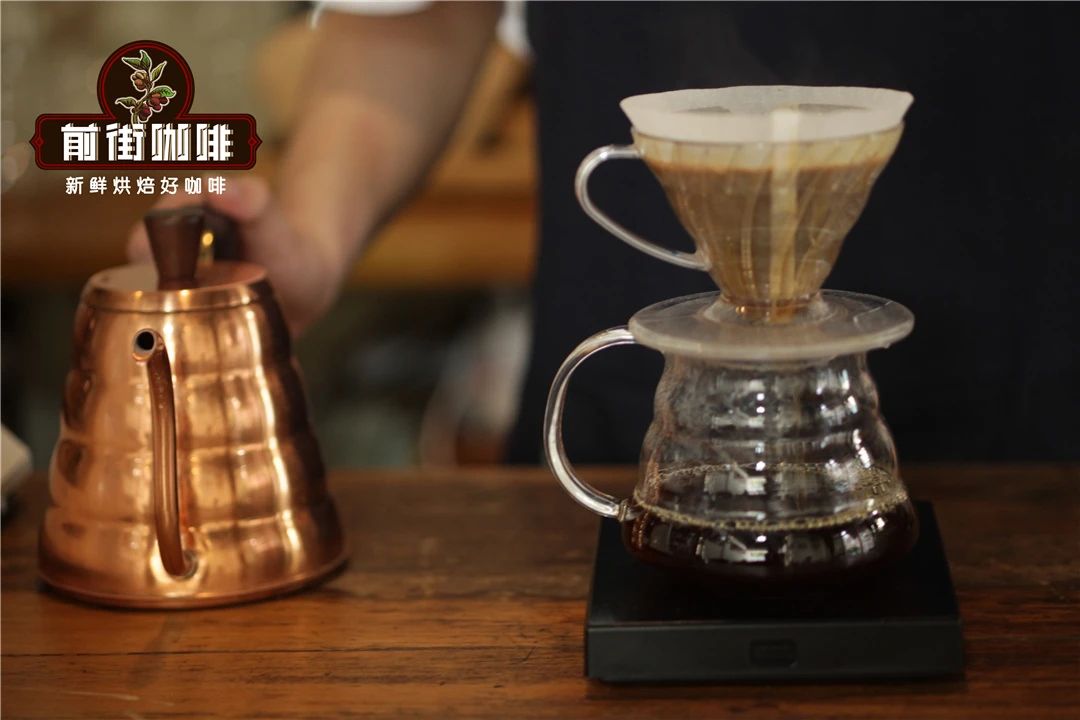
Taking 15 grams of coffee as an example, the suggested water volumes based on different coffee-to-water ratios are: 1:15 for 225 milliliters, 20 grams for 300 milliliters, and 25 grams for 375 milliliters. However, these numbers are for reference only — actual adjustments should be made according to the characteristics of the coffee beans, roast level, and personal taste.
Notably, one coffee brand found in testing that using a 1:15 ratio with 15 grams of coffee and 225 milliliters of water resulted in a light roast brew with an extraction yield between approximately 17.79% and 18.73%, and a concentration well within the ideal range for daily drinking. Ratios lower than 1:15 can easily lead to over-extraction, making the coffee overly strong and unbalanced. Meanwhile, anything above 1:16 may result in under-extraction, leaving the coffee tasting thin and lacking layers.
Next, let’s take the classic Indonesian Mandheling coffee as an example and walk you through everything from parameter setup to hands-on brewing steps — a full guide on how to brew a rich, full-bodied, and uniquely flavored Mandheling at home.
When it comes to Mandheling, many people immediately think of strong spices and nutty notes. In fact, Mandheling is not the name of a place, but originates from a humorous anecdote during World War II. A Japanese soldier in Indonesia once tasted an excellent cup of coffee and asked the shop owner what kind it was. The owner misunderstood and answered “Mandailing” (a region). After the war, the name was misheard as “Mandheling,” eventually becoming synonymous with Arabica coffee from Sumatra.
Indonesia mainly produces Robusta beans, commonly used for instant coffee or espresso blends. But Mandheling is one of the few Arabica varieties that stands out, earning widespread acclaim for its unique flavor profile. Cupping tests revealed that a particular brand’s Lindong Mandheling everyday bean offers strong notes of nuts and dark chocolate, with a caramel finish. As the temperature cools slightly, herbal and woody aromas gradually emerge. With a robust and solid mouthfeel, it’s perfect for coffee lovers who enjoy deep, complex flavors.
To successfully extract the bold character of Mandheling, freshness is the top priority. Once coffee beans pass their prime, their aroma rapidly fades. It’s recommended to choose freshly roasted beans within five days of roasting, ready to enjoy right after opening. In addition, Mandheling is usually medium to dark roasted — this roast level makes the bean structure more porous, aiding extraction during pour over. A slightly lower water temperature is also advised to avoid over-extraction and unwanted bitterness.
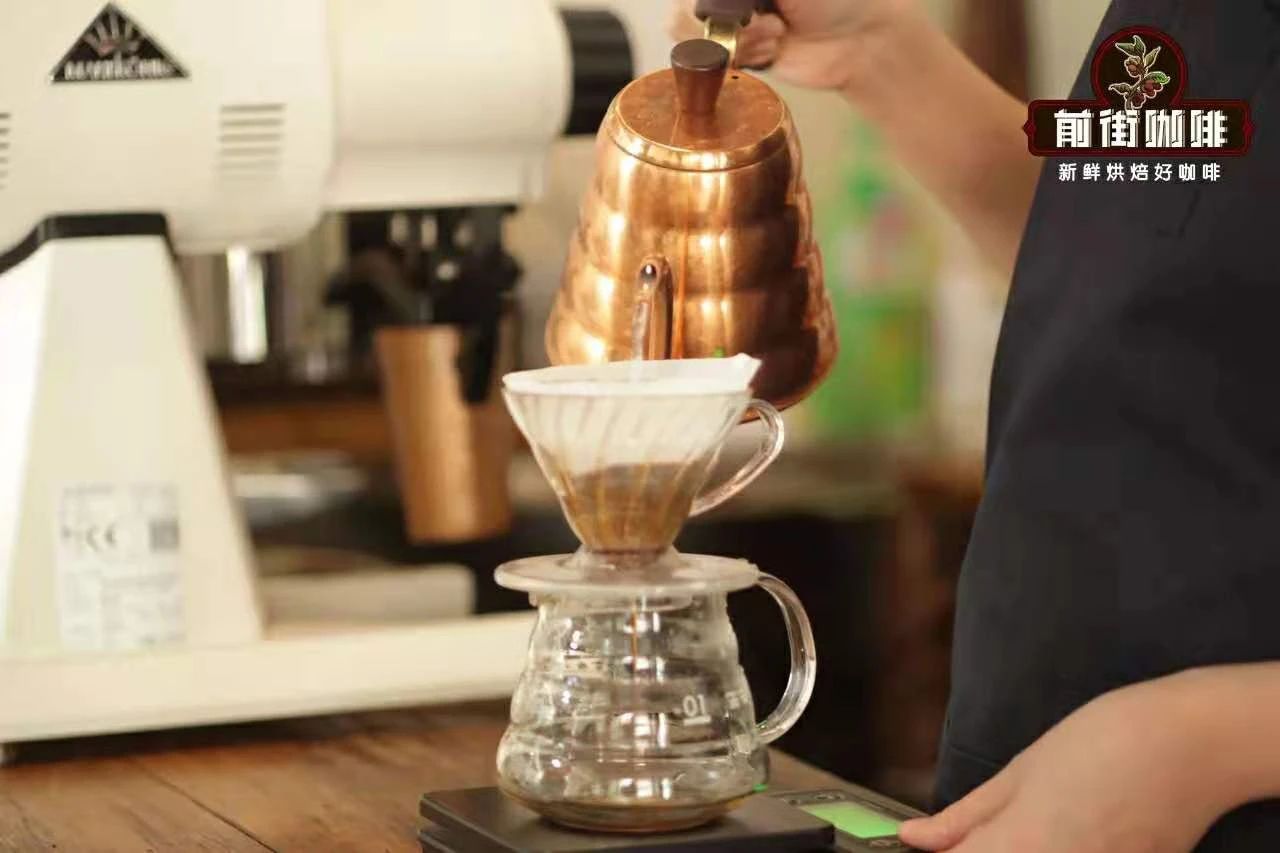
[Pour Over Mandheling: Practical Parameters]
• Filter: KONO filter
• Water temperature: 87°C
• Coffee dose: 15 grams
• Coffee-to-water ratio: 1:15 (total water volume 225 milliliters)
• Grind size: Medium-coarse; recommend using a Chinese standard No. 20 sieve, with around 70% passing rate
[Brewing Steps]
1. Pour hot water into the KONO filter to make the paper stick to the walls, and preheat the server. Then discard the preheating water.
2. Add 15 grams of medium-coarse ground coffee and gently level the surface.
3. Use about 30 grams of hot water for blooming for around 30 seconds, allowing the coffee grounds to expand and release aroma.
4. Start pouring from the center in small circular motions. When you reach a total of 125 grams, perform the first pour break, pausing briefly to allow the coffee bed to settle.
5. When the coffee bed has settled to about half the height of the filter, pour again using the same technique until the total water volume reaches 225 grams.
6. Wait for all the coffee to drip through, then remove the filter and enjoy.
The brewed Mandheling will immediately present distinct woody and caramel aromas upon pouring into the cup. On the palate, flavors of dark chocolate, spices, cream, pine, and caramel are clearly layered, with almost no acidity, resulting in an extremely rich mouthfeel. As it cools, the bitterness softens and is accompanied by a pleasant aftertaste, much like sipping aged Pu’er tea — the finish is long and unforgettable.
The above content is compiled by CoffeeHunters, a coffee news website.


