








Introduction:Sumatra Mandheling is renowned for its bold, full-bodied flavor and distinctive spicy notes, making it a favorite among dark roast enthusiasts. This article provides a detailed overview of Sumatra’s major coffee-growing regions, the grading standards of Mandheling, an in-depth look at the certification process and wet-hulled processing characteristics of PWN Golden Mandheling, as well as a comparison between Mandheling and American-style coffee in terms of extraction. It also offers professional pour-over brewing parameters and flavor analysis to help you better understand the essence of this classic Indonesian coffee.
Mandheling coffee is long favored by dark roast lovers for its deep, rich flavor and intense spicy aroma. Grown on Indonesia’s Sumatra Island, Mandheling is not only a representative of local Arabica coffee but also holds a notable place in the global specialty coffee market. This article will take you on a deep dive into the characteristics of Sumatra’s coffee-growing regions, Mandheling’s grading system, the certification and processing of Golden Mandheling, and explore its significant differences from American-style coffee in both flavor and brewing. Finally, we’ll share practical pour-over tips and recommended parameters.

The charm of Mandheling coffee lies in its rich and layered flavor profile. After dark roasting, it often carries smoky aromas, with a sweet and bitter balance of caramel and dark chocolate upon entry, and a finish that frequently features notes of pine or herbs. This complex yet stable flavor profile gives Mandheling high recognizability and a loyal following, whether as a single origin or part of a blend.
Among Indonesia’s many coffee-growing regions, Sumatran coffee stands out due to its unique processing methods and geographical environment, characterized by low acidity, full body, and spicy and herbal notes. The main premium Mandheling-growing areas are concentrated inLake Toba’s Lintong regionandAceh’s Gayo Mountains region, both of which sit at elevations between 1100 and 1600 meters—ideal for growing Arabica coffee.
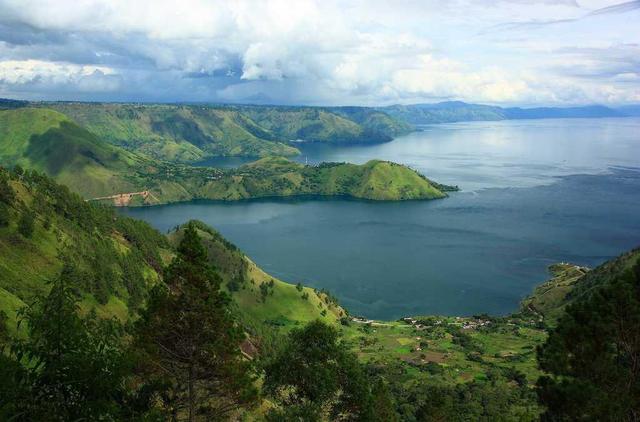
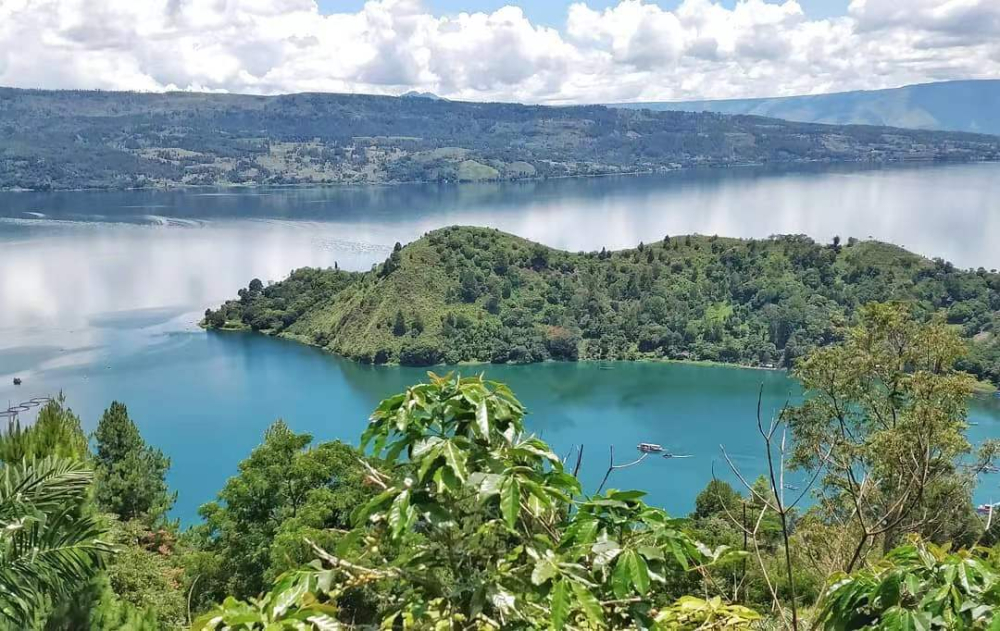
The Lake Toba Lintong region is located north of Medan, the capital of North Sumatra. Lake Toba is a high-altitude freshwater lake sitting at around 900 meters above sea level. The surrounding coffee-growing belt is mostly between 1100 and 1600 meters in elevation, with a cool and humid climate that provides ideal growing conditions for coffee. Mandheling coffee from this area often exhibits pronounced herbal and spicy notes, with low acidity but a rich and full body—representing the quintessential Sumatran flavor.
Another important region is the Gayo Mountains in Aceh Province. With elevations ranging from approximately 1110 to 1600 meters, coffee here is mostly grown by smallholders under shaded conditions and processed using Indonesia’s distinctivewet-hulling method. This processing method imparts a bold body and unique woody aroma to the coffee. Among these, theGolden Mandhelingproduced by PWN is the top-tier representation of the region.
PWN Golden Mandheling is synonymous with Indonesia’s highest-grade G1 Mandheling. The company rigorously selects Mandheling green beans produced in Aceh, putting them through one mechanical screening and three rounds of manual handpicking to ensure each bean meets extremely high standards. Mechanical screening first filters out beans larger than 18 mesh, while subsequent manual selection focuses on removing defective beans, resulting in an exceptionally low defect rate. Therefore, its flavor is clean and consistent. It’s important to note that Golden Mandheling is a registered trademark of PWN; only purchases through official channels come with certification credentials, and the burlap sacks of green beans will also bear the official PWN logo—be sure to look for it when buying.
Indonesia’s wet-hulling process is a unique technique developed in response to the region’s hot and rainy climate. Traditional washed or sun-dried processing is difficult to carry out effectively here, so farmers shorten fermentation times and remove the still-moist (approximately 30%–50% moisture content) parchment layer using specialized machines before the beans are fully dry. Because the beans remain in a high-humidity environment for extended periods and the parchment is removed early, the final Mandheling coffee features pronounced woody and herbal aromas—offering a unique and highly recognizable flavor.
When discussing the differences between Mandheling and American-style coffee, the main distinctions lie in flavor expression and brewing methods. Mandheling is a single-origin coffee bean, best presented via pour-over to highlight its layered spice and sweetness profiles. Brewing it as espresso emphasizes its bold and rich characteristics, though it may slightly reduce the layering. For those who prefer a strong body, Mandheling espresso remains a great option; whereas those seeking clarity in flavor and aromatic layers will find pour-over brings out its refined side more effectively.
If you wish to brew Mandheling at home, we recommend choosing a medium-dark roasted bean to fully bring out its herbal and spicy notes. Suggested brewing parameters are as follows: use a Kono filter to enhance immersion, maintain a water temperature of87–88°C, grind size at medium-coarse (approximately 70% passing through a #20 sieve), and a coffee-to-water ratio of1:15. For specific brewing steps, you can use a three-stage pouring method: start with 30 grams of water for a 30-second bloom; then pour in a circular motion up to 125 grams, wait for the water level to drop, and continue pouring up to 225 grams. The total extraction time is about2 minutes and 10 seconds. These settings help balance bitterness and aroma release, making Mandheling’s richness and layered complexity clearer.
The above content is compiled by CoffeeHunters, a coffee news website.


