







Introduction:Want to brew a richly flavored Americano using a Moka pot and sun-dried Hua Kui SOE at home? This article provides a detailed step-by-step guide—from equipment preparation, grind size, water control to heating techniques—to help you easily master the extraction process. It also delves into the origin background and processing characteristics of Hua Kui, helping you understand why this G1-grade coffee bean from the Guji-Hambela region in Ethiopia’s Sidamo has become a top choice for many coffee beginners and SOE enthusiasts.
Hua Kui coffee beans are one of the most representative offerings from Ethiopia’s Sidamo region. Processed using the natural (sun-dried) method, they boast rich notes of winey chocolate and berries, winning the hearts of coffee lovers worldwide. This article will take you through the entire process of using a Moka pot to create a full-flavored Americano with Hua Kui SOE beans, while also exploring its origin story and roasting options. Whether you're a pour over enthusiast or an espresso lover, you’ll find surprises in this bean.
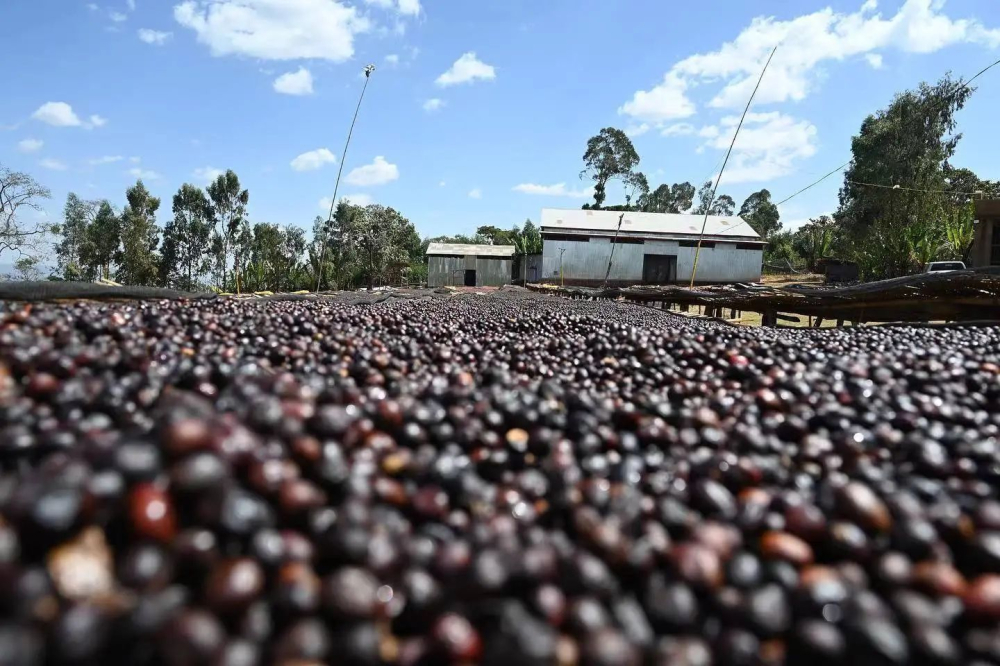
The Sidamo region has long been known for its balanced flavor profile and prominent sweetness. Compared to Yirgacheffe, it has a more pronounced body. During the sun-drying process, the coffee fruit undergoes prolonged fermentation, producing red wine-like acidity and sweetness, which combines with the bean’s inherent cocoa and nutty aromas to form a unique winey chocolate flavor. If you’re looking for a coffee bean that represents the spirit of Sidamo, Hua Kui is undoubtedly one of the top choices.
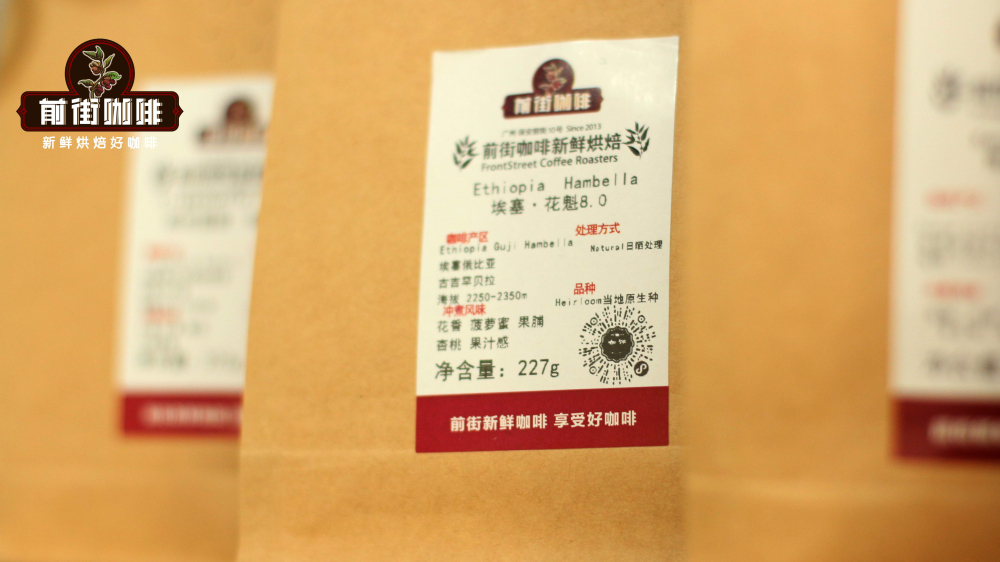
The Hua Kui producing area is actually located in the Guji region’s Hambela area. Guji was previously part of the Sidamo province, but due to the exceptional quality and distinctive style of the beans produced there, it was later designated as a new administrative and producing region. Even so, Hua Kui had already garnered widespread acclaim prior to the regional reclassification, which is why it is still often referred to as “Sidamo · Hua Kui” today.
Currently, there are many coffee beans on the market labeled as “Hua Kui,” with significant differences in quality and price. For beginner coffee enthusiasts, it is recommended to choose traditionally sun-dried beans that follow traditional processing methods and meet Ethiopia’s highest grade for green coffee beans—G1. These beans not only retain intense fruity and sweet notes but are also highly suitable as SOE (Single Origin Espresso) coffee, showcasing the unique character of a single origin.
Sun-dried Hua Kui offers two roast levels: one is medium-light roast, suitable for pour over, highlighting fruity and floral notes; the other is medium roast, specifically designed for SOE espresso, enhancing sweetness and body. This tutorial focuses on this medium roast version.
To brew Hua Kui SOE coffee using a Moka pot, the required equipment is simple: coffee beans, a grinder, the Moka pot itself, and either a gas stove or induction cooker. It is recommended to use hot water for brewing, which helps shorten the extraction time and avoids scorching the coffee grounds at high temperatures, which can result in burnt and bitter flavors.
First, open the bottom chamber of the Moka pot and pour in about 130ml of hot water. Be sure the water level does not exceed the safety valve. Next, grind the coffee beans using an EK-43s grinder to a #3–3.5 grind size—this is roughly equivalent to the fineness of fine sugar and is suitable for Moka pot extraction. Fill the coffee grounds into the filter basket to about nine-tenths full, then gently level the surface with your finger, but do not tamp it down. Over-compacting the coffee bed can restrict water flow and affect the evenness of extraction.
Once the upper and lower chambers are securely assembled, place the Moka pot on a gas or induction stove to begin heating. If using an open flame, be careful that the flame does not extend beyond the bottom edge of the pot to avoid localized overheating. When you hear a hissing sound from the pot, it means the water has started to heat up. At this point, immediately reduce the flame to ensure a smoother extraction process. Soon after, you’ll see the coffee liquid and crema slowly flowing into the upper chamber.
When the coffee liquid in the upper chamber has accumulated to about half its capacity, you can turn off the heat and move the Moka pot to a heat-resistant surface. The remaining pressure and heat inside the pot will continue to complete the extraction process. Please note that the metal material of the Moka pot becomes very hot during heating, so be sure to use heat-resistant gloves or a towel when handling to avoid burns.
Finally, pour the brewed Moka pot Hua Kui SOE espresso into a cup. It is recommended to add hot water at a 1:1 ratio to adjust it to your preferred strength for an Americano. In this way, you can easily enjoy a Hua Kui SOE Americano with rich winey chocolate and berry flavors, a full body, and layered complexity—all from the comfort of your home.
The above content is compiled by CoffeeHunters, a coffee news website.


